
Beautiful Plants For Your Interior
Beautiful Plants For Your Interior
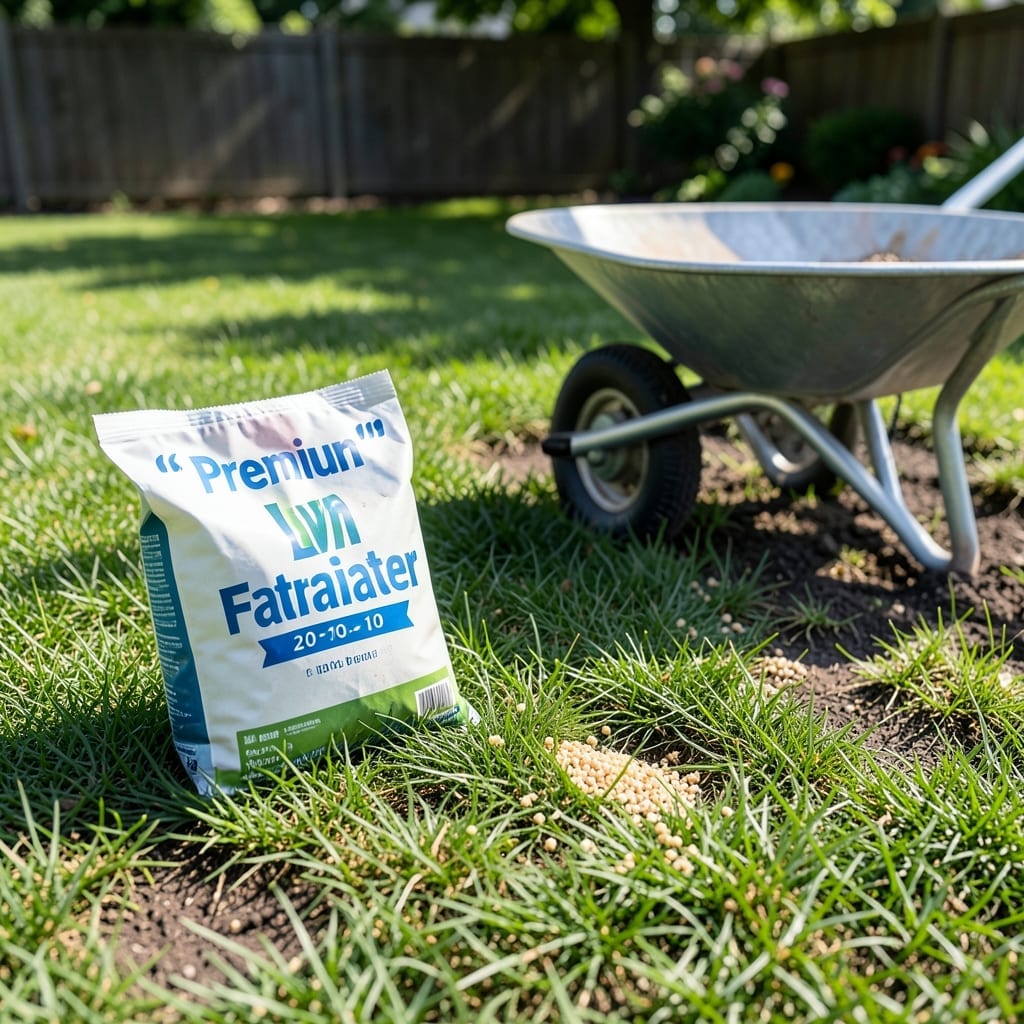
Timing your lawn fertilization correctly is the key to a lush, green yard in Wisconsin. Miss the optimal windows, and you risk wasted effort or even damaging your 🌱 grass.
Wisconsin’s climate in zones 4b-5a demands a strategic approach. The difference between a thriving lawn and a struggling one often comes down to when you feed it, not just how.
I’ve seen homeowners transform their turf by simply adjusting their schedule. The right timing helps your lawn build strong roots and resist seasonal stress.
Discover the seasonal secrets that will make your Wisconsin lawn the envy of the neighborhood. Let’s get started on the path to healthier grass.
Getting your fertilization timing right in Wisconsin can make or break your lawn. The cool-season grasses common here, like Kentucky bluegrass and fescue, thrive with a carefully planned schedule.
I’ve found that Wisconsin’s zones 4b-5a require a seasonal approach. Spring and fall are your prime windows, while summer needs a lighter touch to avoid stressing the grass.
| Season | Best Months | Action | Purpose |
|---|---|---|---|
| Spring | April-May | Feed | Promote early green-up |
| Summer | June-July | Light Feed | Maintain color & health |
| Fall | September-October | Feed | Strengthen roots for winter |
| Winter | N/A | Skip | Grass is dormant |
In early spring, I recommend applying a slow-release fertilizer around mid-April. This gives your lawn the nutrient boost it needs to recover from winter dormancy.
The late spring application in May helps sustain growth before summer heat arrives. Use a balanced fertilizer with a 20-5-10 NPK ratio for best results in Wisconsin soils.
Summer fertilization should be light and strategic. Apply only 0.5 lbs of nitrogen per 1,000 sq ft in June or July to avoid burning the grass during hot spells.
Fall is the most critical season for fertilization. A September application helps recover from summer stress, while an October feeding strengthens roots for winter survival.
I always suggest testing your soil before fertilizing. Wisconsin soils often need additional phosphorus or potassium, which a soil test can reveal.
Remember, timing is everything. Fertilize when the soil is moist and the grass is dry for even distribution. Early morning applications allow the fertilizer to settle before the day’s heat.
By following this seasonal schedule, your Wisconsin lawn will stay green, thick, and resilient year-round 🌱
Choosing the right fertilizer type is just as important as timing. In Wisconsin, your lawn’s needs change with the seasons, so matching the fertilizer formulation to the time of year is key.
I recommend using slow-release fertilizers in spring and fall. They provide a steady supply of nutrients, which is ideal for Wisconsin’s cool-season grasses like Kentucky bluegrass and fescue.
| Type | Best Season | Key Benefit |
|---|---|---|
| Slow-Release | Spring/Fall | Steady nutrient supply |
| Quick-Release | Summer | Rapid color boost |
| Organic | Any | Improves soil health |
Quick-release fertilizers can be useful in summer when you need a fast green-up. However, they require more frequent applications and can burn your lawn if not used carefully.
For those preferring natural options, organic fertilizers like compost or manure-based products work well. They improve soil structure while feeding your lawn, but results may appear more slowly.
Always water your lawn after applying fertilizer to help it activate and prevent burning. This is especially important during Wisconsin’s summer heat waves ☀️