
Beautiful Plants For Your Interior
Beautiful Plants For Your Interior
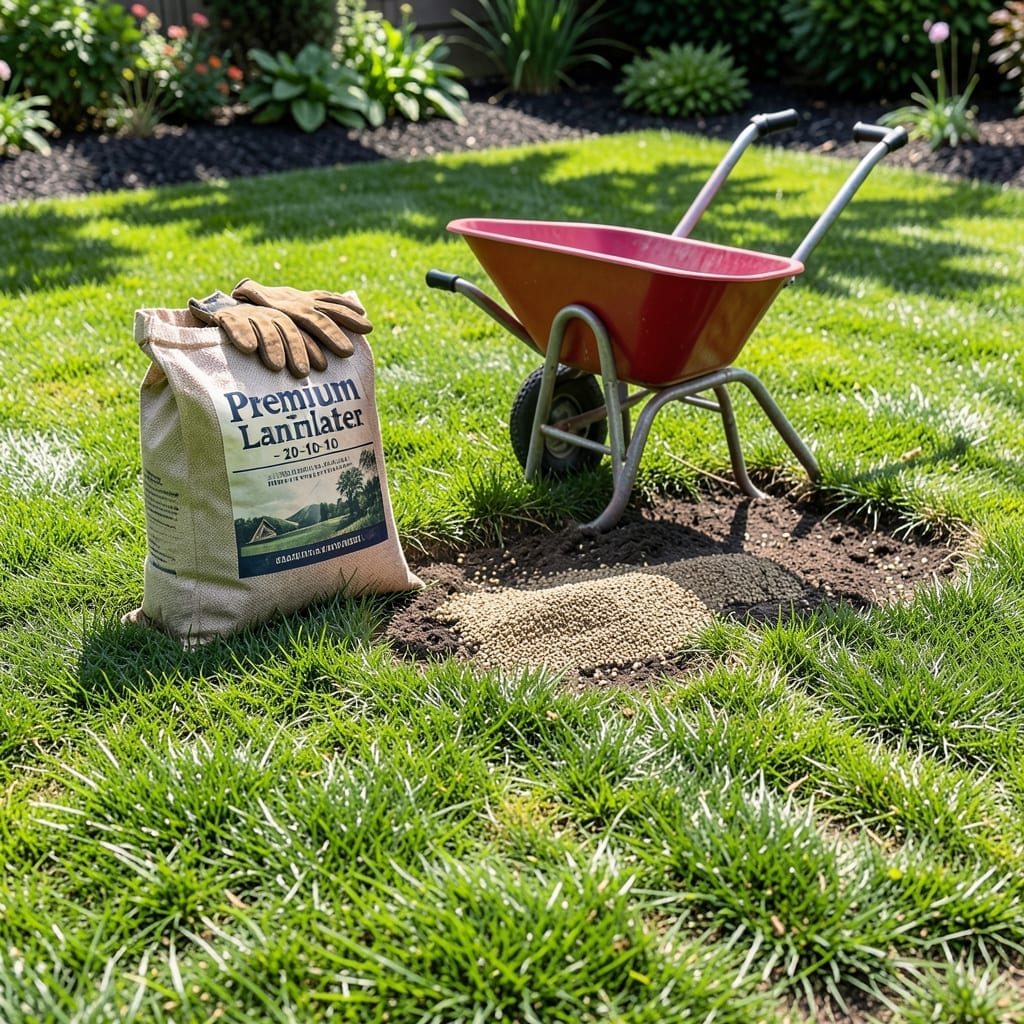
Timing your lawn fertilization correctly in South Texas can mean the difference between a lackluster yard and a lush, vibrant 🌱 Lawn Grass landscape that thrives in the region’s unique climate.
With extreme heat, occasional droughts, and warm-season grasses dominating local lawns, knowing the optimal schedule is the key to success.
I’ve seen firsthand how proper timing transforms struggling lawns into green carpets. Whether you’re new to lawn care or a seasoned pro, getting this right makes all the difference.
Discover the seasonal schedule that works best for our 8b-9a zone, and watch your lawn flourish like never before.
In South Texas, the key to a thriving lawn lies in syncing your fertilization with the warm-season grass growth cycles. Our USDA zones 8b-9a experience long, hot summers and mild winters, which means timing is everything.
I always recommend starting in early spring when soil temperatures consistently hit 65°F. This is when Bermuda, Zoysia, and St. Augustine grasses break dormancy and begin active growth.
| Season | Action | Key Months | Notes |
|---|---|---|---|
| Spring | First Feed | March-April | Kickstart growth |
| Early Summer | Light Feed | May | Avoid peak heat |
| Late Summer | Light Feed | June | Monitor drought stress |
| Fall | Final Feed | September-October | Strengthen roots |
| Winter | Skip | November-February | Grass dormant |
For spring fertilization, I apply a high-nitrogen formula like 30-0-4 in March to fuel that initial growth spurt. This first feeding sets the stage for a dense, green lawn as temperatures rise.
As we move into summer, I switch to a light feeding approach. The extreme heat from June to August can stress your grass, so I use slow-release fertilizers and water deeply to prevent burn.
The fall fertilization in September is crucial. This feeding helps your lawn recover from summer stress and builds strong roots for the cooler months. I typically use a 16-4-8 ratio during this period.
Remember, winter fertilization isn’t necessary in South Texas. Your warm-season grasses go dormant, and feeding them now would be wasted. Save your efforts for when they’re actively growing.
Pro tip: Always fertilize in the early morning to reduce evaporation and give your grass time to absorb nutrients before the heat of the day. This simple timing trick can significantly improve your results.
Finally, pay attention to soil moisture. If we’re in a drought period, hold off on fertilizing until rain returns. Fertilizer needs water to work effectively, and applying it to dry soil can harm your lawn.
By following this seasonal schedule, you’ll give your South Texas lawn exactly what it needs when it needs it, resulting in that lush green carpet we all strive for. ☀️
Choosing the right fertilizer for South Texas lawns can make or break your grass’s health. I always recommend slow-release fertilizers for our 8b-9a zone because they feed grass steadily, reducing burn risk during our hot months.
For warm-season grasses like Bermuda or St. Augustine, look for a 16-4-8 or 30-0-4 NPK ratio. These formulations provide the high nitrogen content our lawns crave for lush, green growth.
| cell” style=”background-color:#6fd544;color:#ffffff;text-align:center;”>Pros |
| cell” style=”text-align:center;”>Less burn risk, steady feeding |
| cell” style=”text-align:center;”>Rapid greening, strong roots |
| cell” style=”text-align:center;”>Soil health, eco-friendly |
Organic options like compost-based fertilizers improve soil structure over time. They’re great for St. Augustine grass, which benefits from the extra microbial activity.
Synthetic fertilizers work faster but require precise timing. I’ve found early morning applications prevent evaporation and give grass time to absorb nutrients before the Texas heat kicks in.
Always test your soil pH first. South Texas soils often lean alkaline, so you might need sulfur-coated urea to balance things out and maximize nutrient uptake.
Remember, 1 lb of nitrogen per 1,000 sq ft is the sweet spot for most lawns here. Overdoing it leads to thatch buildup and weak roots, which struggle in droughts.
☀️