
Beautiful Plants For Your Interior
Beautiful Plants For Your Interior
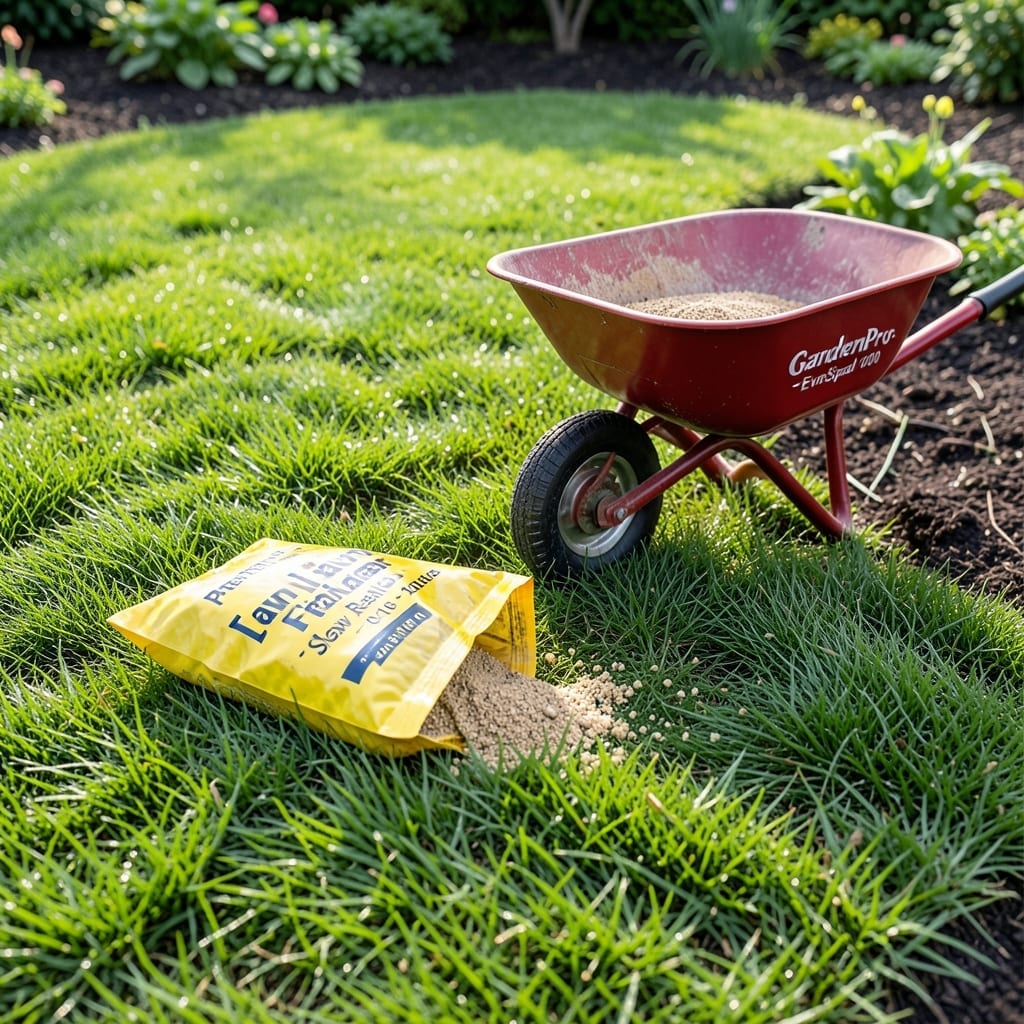
Timing your lawn fertilization correctly in Oregon can mean the difference between a lush, green yard and a patchy, struggling one. With the state’s unique climate variations, knowing the ideal windows for feeding your 🌱 Lawn Grass is essential for optimal growth.
I’ve seen too many homeowners waste time and money by fertilizing at the wrong times. The Pacific Northwest’s wet winters and dry summers require a strategic approach that many overlook.
What if I told you there are just 2 key seasons when your Oregon lawn will respond best to fertilizer? These windows align perfectly with the 8b growing zone’s natural rhythms.
Discover exactly when to feed your grass for maximum impact. The right timing will transform your yard from mediocre to magnificent with far less effort than you might think.
In Oregon, timing your lawn fertilization right is key to a vibrant yard. The state’s varied climate means west of Cascades and east of Cascades regions have different needs. I’ll break it down by season so you can plan accordingly.
For cool-season grasses, which dominate Oregon lawns, spring and fall are the prime windows. These grasses thrive in moderate temperatures and struggle in summer heat, so timing your feeding around their growth cycles is critical.
| Season | Region | Action | Key Months |
|---|---|---|---|
| Spring | West of Cascades | Feed heavily | April-May |
| Spring | East of Cascades | Light feed | April |
| Summer | West of Cascades | Skip or light | June-July |
| Summer | East of Cascades | Skip | July-August |
| Fall | West of Cascades | Feed heavily | September-October |
| Fall | East of Cascades | Feed | September |
In west of Cascades, the mild, wet winters and cool summers mean your lawn can handle early spring feeding. I recommend starting in April when soil temps hit 50°F to promote root growth.
East of Cascades has a drier, hotter climate, so I delay fertilization until late April to avoid stressing the grass. The summer heat here can scorch lawns, so skip summer feeding entirely.
For fall fertilization, I always aim for September to early October in the west. This strengthens roots before winter dormancy. In the east, September is ideal, but avoid late feedings that could encourage tender new growth before frost.
Winter fertilization is a no-go across Oregon. Your lawn is dormant, and feeding it now wastes resources and risks runoff pollution.
Remember, cool-season grasses like Kentucky bluegrass or fescue respond best to high-nitrogen fertilizers in spring and fall. I use a 20-5-10 NPK ratio for my lawn to ensure balanced growth.
If you’re unsure about your grass type, I suggest checking with a local nursery. They can help you pick the right fertilizer blend and timing for your specific Oregon region.
Finally, always water deeply after fertilizing to help the nutrients soak into the soil. This prevents burning your grass and ensures the fertilizer works effectively. ☀️
I’ve learned that Oregon lawns often show clear signals when they’re hungry for nutrients. A dull, yellowish tint replacing that vibrant green is the first red flag I watch for in my own yard.
Another telltale sign is slow recovery after mowing or foot traffic. If your grass looks thin or patchy, it’s likely crying out for a nutrient boost to regain its density.
I also check for increased weeds, as they often move in when grass is weak. If you’re seeing more dandelions or clover than usual, your lawn might need reinforcement.
Don’t confuse drought stress with nutrient deficiency. If the soil is dry and hard, water first and see if the grass perks up before reaching for fertilizer.
In my experience, early morning dew is the best time to inspect. The moisture makes color differences and thin spots more visible to the naked eye.
Finally, if your lawn feels spongy underfoot, it might indicate thatch buildup, which can block nutrients. A simple soil test can confirm whether fertilization is needed.
🌿