
Beautiful Plants For Your Interior
Beautiful Plants For Your Interior
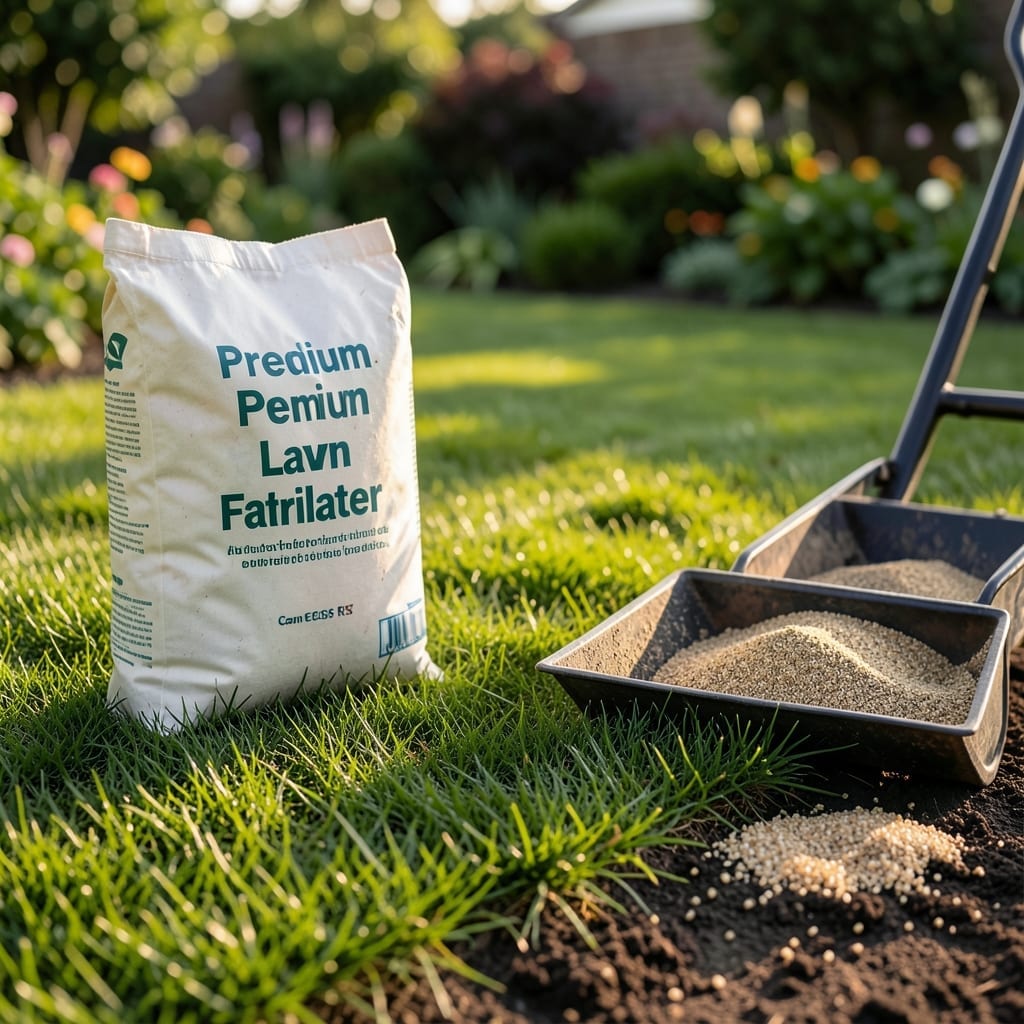
Timing your lawn fertilization correctly in Ohio can mean the difference between a patchy, struggling yard and a thick, vibrant 🌱Lawn Grass carpet.
The Buckeye State’s unique climate demands a strategic approach to feeding your grass. You can’t just throw down fertilizer anytime and expect great results.
I’ve seen too many homeowners waste time and money by fertilizing at the wrong times. The good news is that there’s a simple schedule that works perfectly for Ohio’s Zone 6a climate.
Discover the exact windows—spring and fall—that will give your lawn the nutrients it needs to thrive all season long.
Getting your fertilization timing right in Ohio starts with understanding the growing seasons for cool-season grasses. These grasses thrive in spring and fall when temperatures are mild.
In Zone 6a, the ideal fertilization windows are April-May and September-October. This schedule aligns with the grass’s natural growth cycles and Ohio’s climate patterns.
| Season | Timing | Fertilizer Action | Purpose |
|---|---|---|---|
| Early Spring | March-April | Light Feed | Promote early green-up |
| Late Spring | April-May | Full Feed | Root growth boost |
| Summer | June-August | Light Feed | Maintain color |
| Fall | September-October | Full Feed | Winter prep |
| Winter | November-February | Skip | Dormant period |
For early spring fertilization, I recommend waiting until the soil temperature reaches about 55°F. This typically occurs in late March or early April in most Ohio regions.
Use a slow-release fertilizer with a 20-5-10 or 16-4-8 NPK ratio. Apply about 1 lb per 1000 sqft for the best results without burning your lawn.
The late spring feeding should happen 6-8 weeks after your first application. This is when your grass is in its peak growth phase and can fully utilize the nutrients.
As summer heat sets in, I switch to a lighter feeding schedule. The stress of high temperatures means your lawn needs less fertilizer, but don’t skip it entirely.
Fall fertilization is perhaps the most important. I always
By following this Ohio-specific schedule, you’ll see a noticeable difference in your lawn’s color, density, and overall health throughout the year. ☀️
Ohio’s weather is as unpredictable as it gets, with temperature swings and rainfall variations that can make or break your fertilization plans. One week it’s dry and hot, the next it’s cool and wet. I’ve learned to watch the forecast like a hawk.
These climate shifts directly impact how well your lawn absorbs nutrients. Too much rain can wash away fertilizer, while drought stress means grass won’t use it efficiently. Timing around these patterns is key.
I always recommend adjusting your schedule based on soil moisture and grass color. If your lawn looks stressed or the soil is bone dry, hold off on fertilizing until conditions improve.
Early morning applications are ideal because they allow fertilizer to soak in before the midday heat evaporates moisture. Plus, it reduces the risk of burning your grass.
Don’t forget that Ohio’s USDA Zone 6a means our growing season is shorter. Maximize the active growth periods in spring and fall for the best results.
By aligning your fertilization with Ohio’s weather patterns, you’ll ensure your lawn gets the nutrients it needs exactly when it can use them most effectively. 🌱