
Beautiful Plants For Your Interior
Beautiful Plants For Your Interior
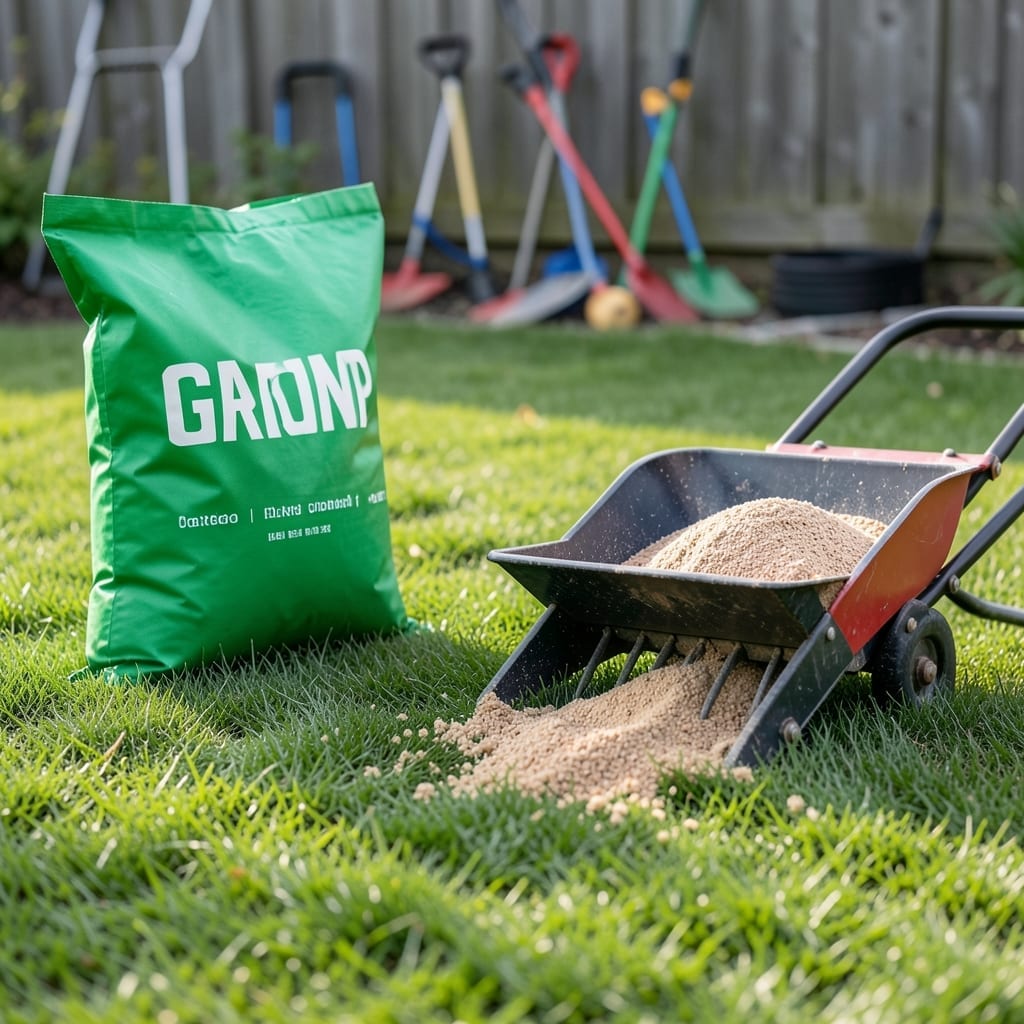
Timing your lawn fertilization correctly in Louisiana’s humid subtropical climate can mean the difference between a lush, green yard and a patchy, struggling one. The state’s unique weather patterns demand a strategic approach.
I’ve seen too many homeowners waste time and money by fertilizing at the wrong times. The 🌱 lawn deserves better, especially in zones 8a-9b where the growing season stretches long and hot.
Discover when your grass is most receptive to nutrients and how to align your efforts with Louisiana’s seasonal rhythms. It’s simpler than you might think.
With the right schedule, you’ll maximize growth, minimize waste, and enjoy a healthier lawn all year. Let’s break it down step by step.
Louisiana’s humid subtropical climate means your lawn needs a strategic fertilization plan. The key is timing applications with grass growth cycles and avoiding extreme heat or cold periods.
For warm-season grasses like Bermuda, St. Augustine, and Zoysia, spring and fall are ideal. These grasses thrive when soil temperatures consistently hit 65°F or higher.
| Season | Action | Fertilizer Type | Notes |
|---|---|---|---|
| Early Spring (March) | Feed | 16-4-8 | Pre-emergent + fertilizer |
| Late Spring (April) | Feed | 16-4-8 | Promote green-up |
| Summer (May-Aug) | Light Feed | Slow-release | Avoid high nitrogen |
| Early Fall (Sept) | Feed | 16-4-8 | Recover from summer |
| Late Fall (Oct) | Feed | Winterizer | Root growth booster |
In early spring, I recommend applying a balanced fertilizer with a pre-emergent herbicide. This combo prevents weeds while giving your lawn an early growth boost.
Late spring is perfect for a second feeding. By this time, your warm-season grasses are actively growing. Use a high-nitrogen fertilizer to deepen that green color.
During summer, Louisiana’s heat can stress your lawn. I shift to a slow-release fertilizer and reduce nitrogen to prevent burning the grass. Water deeply after application.
Early fall is when your lawn recovers from summer stress. A full feeding with 16-4-8 fertilizer helps repair damage and strengthen roots before winter.
In late fall, apply a winterizer fertilizer. This is high in potassium, which strengthens roots and prepares your lawn for dormancy. Skip fertilizing in winter—your grass needs rest.
For best results, always fertilize in the early morning. This allows the grass to absorb nutrients before the heat of the day. And remember, soil testing every 3 years ensures you’re using the right amendments.
Louisiana’s humidity and rainfall can leach nutrients quickly. That’s why I stick to this schedule and adjust based on rainfall patterns and grass response. ☀️
Louisiana’s humid subtropical climate creates unique conditions for lawn care. I’ve learned that soil temperature and rainfall patterns play huge roles in when to fertilize effectively.
Your grass type matters too. Bermuda and Zoysia thrive with warm-season feeding, while St. Augustine needs a different approach. Each responds best to specific timing.
I always check soil temperature with a simple probe. When it hits 65°F, your lawn is ready for its first spring feeding. This ensures nutrients are absorbed efficiently.
Rainfall timing is crucial. I schedule fertilizing 24-48 hours before expected rain to let it soak in without washing away. Louisiana’s frequent summer showers can complicate this.
For Bermuda grass, I start feeding in early March when it breaks dormancy. St. Augustine prefers a slightly later start, around mid-March when temperatures stabilize.
Remember, over-fertilizing in summer heat can burn your lawn. I reduce nitrogen during July-August and focus on maintaining moisture instead.
By aligning these factors, you’ll create a custom fertilization schedule that keeps your Louisiana lawn thriving year-round 🌱