
Beautiful Plants For Your Interior
Beautiful Plants For Your Interior
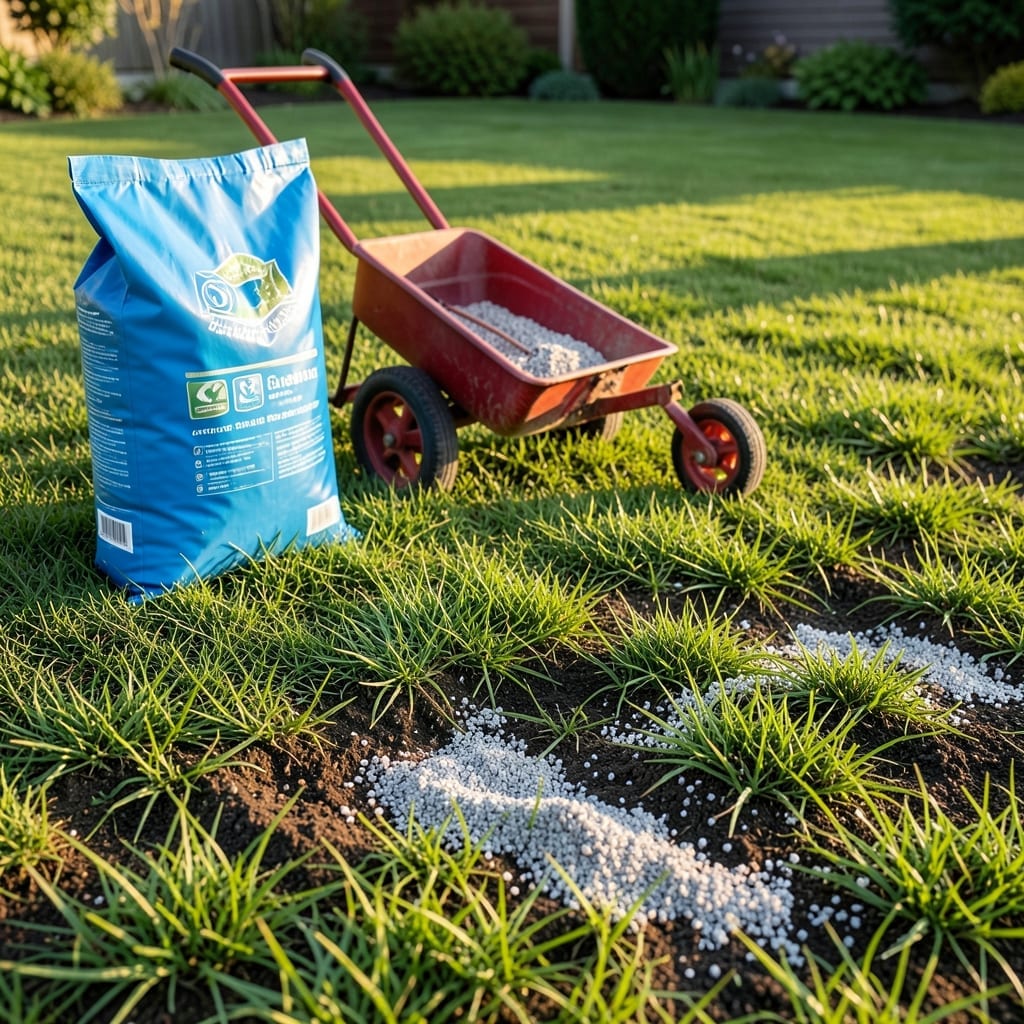
Timing your lawn fertilization in Kentucky can mean the difference between a patchy, struggling yard and a vibrant, green carpet. Zone 6b’s unique climate demands a strategic approach to feeding your grass.
The 🌱 Lawn you dream of doesn’t happen by accident. It’s about working with Kentucky’s seasons, not against them. Early spring and early fall are your golden windows for the best results.
I’ve seen firsthand how the right schedule transforms a lackluster lawn into the envy of the neighborhood. The key lies in understanding when your grass is most receptive to nutrients.
Discover the simple timing secrets that will make your Kentucky lawn thrive. Let’s break down the optimal moments to fertilize for lush, healthy growth all year long.
Kentucky’s Zone 6 climate creates the perfect conditions for a lush lawn—if you time your fertilization right. The key is working with the seasons, not against them, to feed your grass when it’s most receptive to nutrients.
I’ve found that cool-season grasses like Kentucky bluegrass and tall fescue thrive with a strategic approach. Early spring and early fall are your best windows for fertilization in the Bluegrass State.
| Season | Action | Timing | Purpose |
|---|---|---|---|
| Early Spring | Feed | March-April | Promote growth after dormancy |
| Late Spring | Feed | May | Sustain color and density |
| Summer | Light Feed | June | Maintain color, avoid stress |
| Early Fall | Feed | September | Strengthen roots for winter |
| Late Fall | Light Feed | October | Prepare for dormancy |
In early spring, I recommend applying a balanced fertilizer with a 20-5-10 NPK ratio. This kickstarts growth after winter dormancy and gives your lawn the nutrients it needs to green up quickly.
The late spring feeding is crucial for sustaining that vibrant color and density. I’ve seen lawns that skip this step start to thin out by early summer, especially during Kentucky’s unpredictable weather swings.
Summer fertilization requires a lighter touch. The heat can stress your grass, so I use a slow-release fertilizer in June to maintain color without risking burn. Remember, less is more during the dog days of summer.
Early fall is when I give my lawn its most important feeding of the year. A high-nitrogen fertilizer in September strengthens roots, helping your grass survive winter and bounce back stronger in spring.
A light feeding in October helps your lawn store nutrients for winter dormancy. I always
Winter is when your lawn rests, so I skip fertilization entirely. The grass isn’t actively growing, and any fertilizer applied would likely wash away before it could be used.
Remember, these are general guidelines. I always recommend checking the weather forecast and adjusting your schedule if we’re expecting extreme heat or heavy rain in Kentucky.
By following this seasonal approach, I’ve maintained a thick, green lawn that’s the envy of my neighborhood—without overdoing it on chemicals or wasting money on ineffective applications.
Timing is everything when it comes to lawn care in Zone 6, and this schedule has never let me down. ✂️
Choosing the right fertilizer for your Kentucky lawn is just as important as timing. Cool-season grasses like bluegrass and fescue thrive with a balanced approach to nutrients.
I recommend starting with a slow-release fertilizer in early spring. This gives your grass a steady supply of nutrients without the risk of burning that comes with quick-release options.
| Fertilizer Type | Best For | When to Use |
|---|---|---|
| Slow-Release | Sustained growth | Early spring or fall |
| Quick-Release | Rapid greening | Late spring |
| Organic | Soil health | Any season |
For summer maintenance, I suggest a light application of quick-release fertilizer to maintain color. But be cautious—too much can stress your lawn during heatwaves.
Fall fertilization is non-negotiable for Kentucky lawns. A high-nitrogen formula in September helps strengthen roots before winter dormancy. This is when your grass builds reserves for next spring.
Organic options like compost tea or corn gluten meal work well year-round. They improve soil structure while providing gentle nutrition. I use them as a supplement to synthetic fertilizers.
Always check the NPK ratio on the label. For Kentucky lawns, a 20-5-10 blend is ideal for most situations. The first number (nitrogen) promotes leafy growth, which is what we want for that lush green look.
Remember, the best fertilizer won’t help if applied at the wrong time. Stick to the seasonal schedule we discussed earlier for maximum impact 🌱