
Beautiful Plants For Your Interior
Beautiful Plants For Your Interior
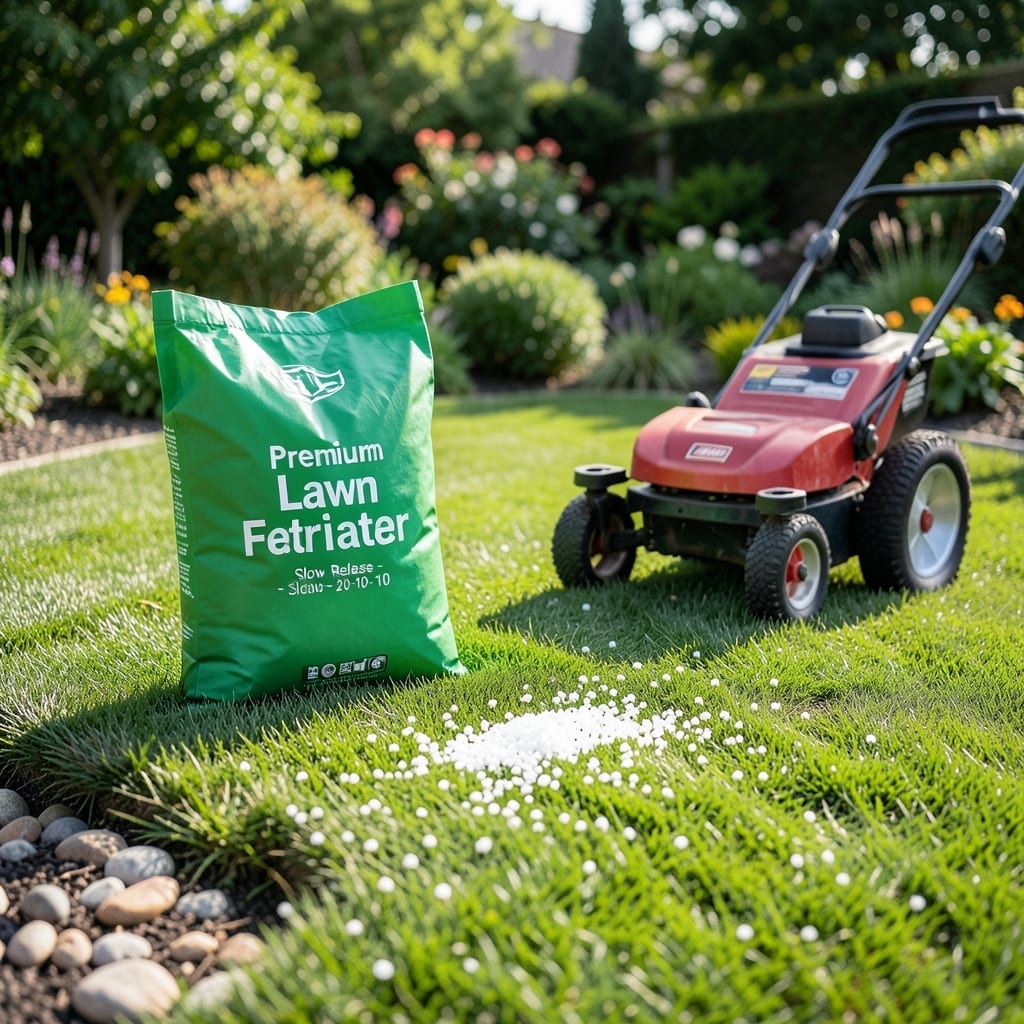
Timing your lawn fertilization right can mean the difference between a patchy, struggling yard and a vibrant, envy-inducing carpet of green. In Kansas City’s 6a climate, knowing the optimal windows is the key to maximizing growth.
I’ve seen too many homeowners waste time and money by fertilizing at the wrong times. The 🌱 Lawn Grass in our area thrives when we work with its natural cycles, not against them.
Whether you’re a new homeowner or a seasoned gardener, understanding these seasonal rhythms will transform your approach. Let me share what I’ve learned about making the most of our unique growing conditions.
Discover how to align your efforts with nature’s schedule for a lawn that’s the talk of the neighborhood. It’s simpler than you might think.
In Kansas City, timing your lawn fertilization is crucial for optimal growth and vibrant green color. Our USDA Zone 6a climate means we have distinct seasons that affect grass types differently.
Cool-season grasses like Kentucky bluegrass and tall fescue thrive with spring and fall fertilizing, while warm-season grasses like Bermuda prefer late spring to summer feeding. 🌱
| Season | Best Months | Fertilizer Type | Application Rate | Key Notes |
|---|---|---|---|---|
| Early Spring | March-April | Slow-release | 1 lb/1000 sqft | After last frost (April 15) |
| Late Spring | May | High nitrogen | 1.5 lb/1000 sqft | Active growth period |
| Summer | June-July | Light feed | 0.5 lb/1000 sqft | Avoid heat stress |
| Early Fall | September | High nitrogen | 1.5 lb/1000 sqft | Root strengthening for winter |
| Late Fall | October | Slow-release | 1 lb/1000 sqft | Before first frost (Oct 15) |
| Winter | November-Feb | None | – | Dormant grass needs no feed |
For cool-season lawns, I recommend a heavy feeding in early fall (September) when temperatures cool but grass is still growing. This builds strong root systems before winter dormancy.
Warm-season grasses like Zoysia or Bermuda benefit from late spring (May-June) fertilization. The soil temperature should be consistently above 65°F for best results.
In summer, I always use light applications of slow-release fertilizer to prevent burning the grass during heat waves. Kansas City summers can be brutal on lawns.
Remember, soil testing is key before any application. I test my soil every 2-3 years to check pH levels and nutrient deficiencies. Our local extension office offers affordable testing.
The best time of day to fertilize is early morning when dew is present. This helps the fertilizer granules stick to the grass blades and prevents them from washing away. ☀️
For new lawns, I wait until the grass is 3-4 inches tall before the first fertilization. This usually takes 4-6 weeks after seeding. Be patient – good things come to those who wait!
Finally, always water deeply after fertilizing to help nutrients reach the roots. I give my lawn about 1 inch of water within 24-48 hours of application for best results. 💧
In Kansas City, your lawn often shows clear signs when it’s hungry for nutrients. I watch for dull green or yellow hues that signal nitrogen deficiency or slow growth despite regular watering.
Another red flag is thinning grass with visible soil or bare patches appearing. After heavy rainfall or drought, I check for weak recovery which often means it’s time to fertilize.
I’ve found that early spring and early fall are prime times to address these issues, especially after soil tests confirm nutrient deficiencies. Kansas City’s cool-season grasses respond best to fertilization during active growth periods.
If your lawn feels spongy underfoot or has a thatched layer over 0.5 inches thick, it may be struggling to absorb nutrients. I recommend aerating first before applying fertilizer in these cases.
Remember, over-fertilizing can be as harmful as under-fertilizing. I always follow the 1 lb nitrogen per 1000 sqft rule and water deeply after application to prevent burn.
For best results, I fertilize in April-May and September-October, aligning with Kansas City’s growing seasons and avoiding summer heat stress. This schedule keeps my lawn vibrant and resilient year-round 🌿