
Beautiful Plants For Your Interior
Beautiful Plants For Your Interior
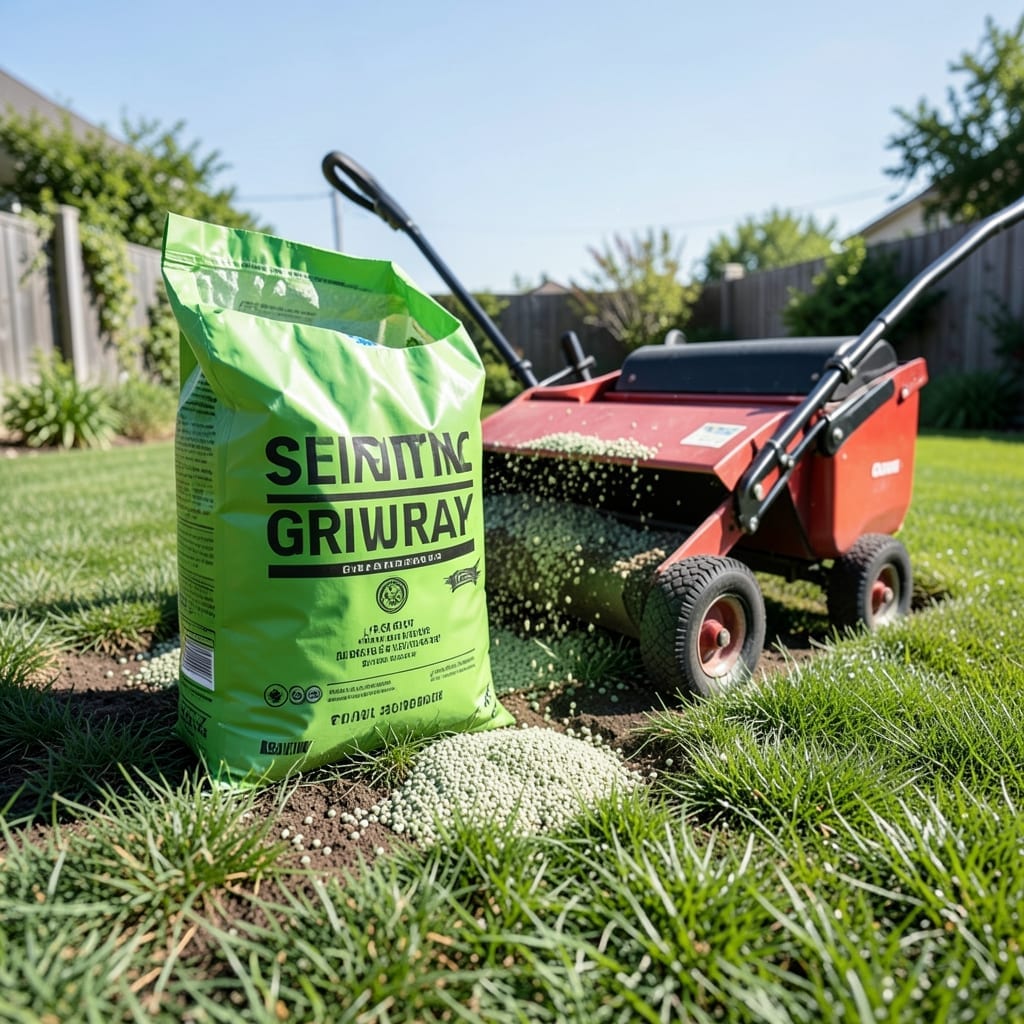
Timing your lawn fertilization correctly in Georgia’s warm-season climate can mean the difference between a lush, green yard and a patchy, struggling one. With the state’s unique weather patterns, knowing the optimal schedule is key.
I’ve seen too many homeowners waste time and money by fertilizing at the wrong times. The 🌱 Lawn Grass in your yard has specific needs that change with the seasons, especially in zones 7b-8a.
What if you could avoid the common pitfalls and get it right the first time? I’ll walk you through the best windows to feed your lawn, so it thrives year-round.
Let’s break down the science and strategy behind fertilizing in Georgia. You’ll discover how small timing adjustments can lead to big, visible improvements.
Georgia’s warm-season grasses like Bermuda, Zoysia, Centipede, and St. Augustine thrive on a precise feeding schedule. I’ve found that timing is everything when it comes to keeping your lawn lush and healthy.
The key is aligning fertilization with active growth periods and avoiding stress times like summer heatwaves. In zones 7b-8a, this means focusing on spring and fall for the best results.
| Season | Action | Purpose |
|---|---|---|
| Early Spring (March) | Feed | Promote green-up and root growth |
| Late Spring (April) | Feed | Sustain growth and color |
| Summer (May-June) | Light Feed | Avoid heat stress |
| Fall (Sept-Oct) | Feed | Strengthen roots for winter |
I always recommend starting with a soil test before your first application. This tells you exactly what nutrients your lawn is craving and helps you avoid over-application.
For Bermuda grass, I’ve seen the best results with fertilizing every 6-8 weeks during the growing season. But remember, Centipede grass needs less nitrogen, so adjust accordingly.
In my experience, early morning is the ideal time to fertilize. This gives the grass blades time to absorb the nutrients before the heat of the day sets in.
Don’t forget that fall fertilization is just as important as spring. It helps your lawn recover from summer stress and prepares it for winter dormancy.
If you’re dealing with St. Augustine grass, be extra cautious in summer. This variety is particularly sensitive to heat stress, so a light feeding is all it needs.
Finally, always water your lawn after fertilizing to help the nutrients soak into the soil. This step is crucial for preventing burn and ensuring even distribution.
With this schedule, I’ve helped countless Georgia homeowners achieve that perfect, vibrant green lawn they’ve always wanted.
🌱Even the most well-intentioned gardeners can sabotage their Georgia lawns with common fertilizing blunders. I’ve seen over-fertilizing in the summer heat burn grass and wrong NPK ratios leave yards starving for nutrients.
Skipping a soil test is another big mistake. Without knowing your soil’s pH and nutrient levels, you’re essentially guessing what your lawn needs.
⚠️ Avoid These Fertilizing Pitfalls
Another issue is fertilizing dormant grass in winter. Your lawn won’t absorb the nutrients, and you’ll just be wasting money and effort. Timing is everything in Georgia’s climate.
Using quick-release fertilizers in hot weather can cause rapid growth that’s hard to maintain. Instead, opt for slow-release options that feed your lawn steadily.
I always recommend early morning fertilization to allow the grass to absorb nutrients before the heat of the day. This also reduces the risk of fertilizer burn on your lawn.
Finally, don’t forget to water deeply after fertilizing. This helps the nutrients soak into the soil and reach the roots where they’re needed most.
With these tips, you’ll avoid the most common mistakes and keep your Georgia lawn looking its best year-round ☀️