
Beautiful Plants For Your Interior
Beautiful Plants For Your Interior
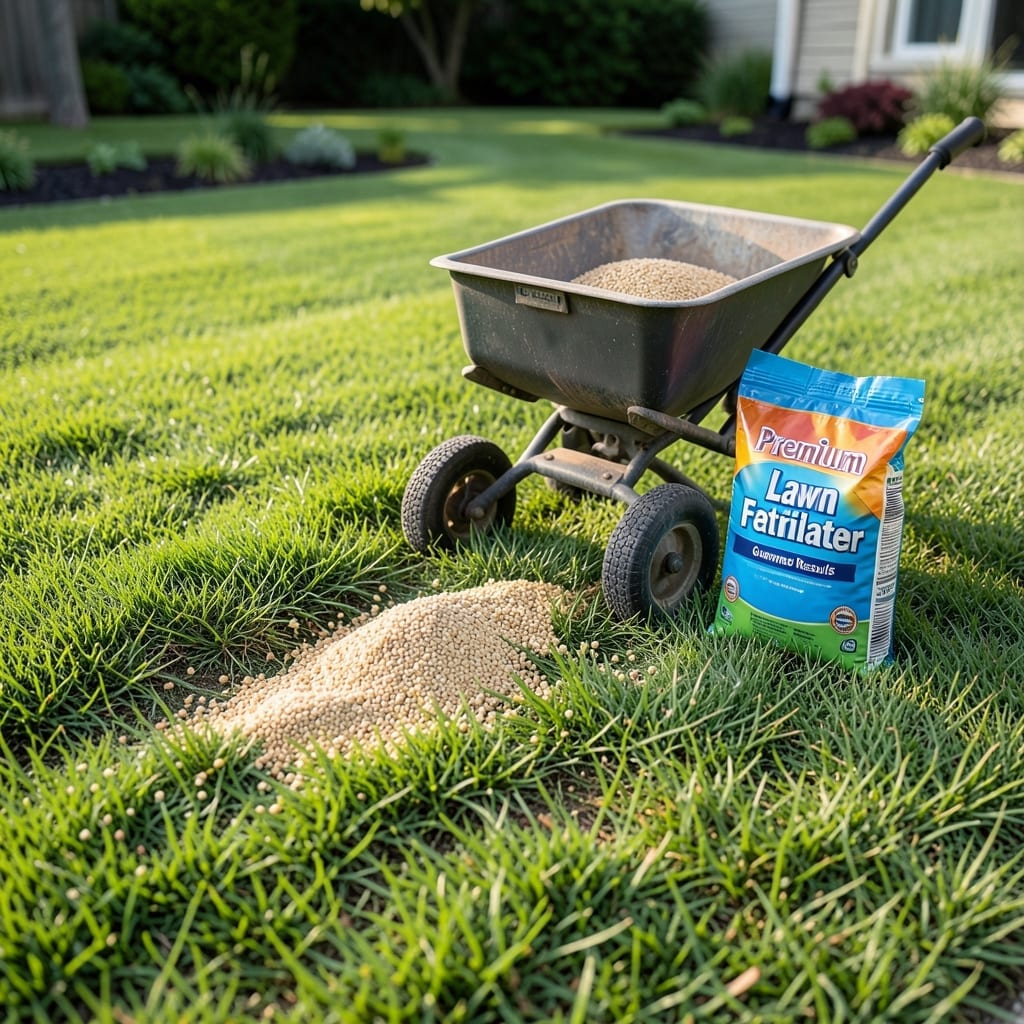
Timing your lawn fertilization correctly in East Texas can mean the difference between a patchy, struggling yard and a vibrant, green oasis. The 🌱 Lawn Grass here faces unique challenges with our hot summers and mild winters.
I’ve seen too many neighbors waste time and money by fertilizing at the wrong times. The climate in zone 8a demands a precise approach that most homeowners overlook.
What if I told you there’s a simple seasonal schedule that could transform your lawn? By following the natural growth cycles of your grass, you’ll achieve results that seem almost magical.
Discover the exact windows when your lawn craves nutrients most, and watch as your yard becomes the envy of the neighborhood. Let me show you how timing makes all the difference.
In East Texas, your lawn’s health hinges on seasonal timing. The region’s USDA Zone 8a climate means warm springs, scorching summers, and mild falls—each demanding a tailored approach to fertilizer application for optimal growth.
I’ve found that Bermuda, St. Augustine, and Zoysia grasses thrive here, but their nutrient needs shift dramatically with the weather. Knowing these rhythms helps prevent burnout or wasted effort.
| Season | Action | Grass Types | Key Notes |
| Spring (Mar-May) | FEED | All types | 16-4-8 NPK, early green-up |
| Summer (Jun-Aug) | Light FEED | Bermuda, Zoysia | Avoid heat stress, slow-release |
| Fall (Sep-Nov) | FEED | All types | Root strengthening, pre-dormancy |
| Winter (Dec-Feb) | Skip | All types | Dormant grass, no uptake |
Early spring fertilization in March kickstarts growth after winter dormancy. I recommend using a high-nitrogen formula like 16-4-8 to promote lush green blades and root development.
May is your last heavy feed before summer heat arrives. Switch to a slow-release fertilizer to avoid burning your lawn during 100°F days. Bermuda grass handles summer better than St. Augustine, which may need extra shade.
Summer fertilization is risky. If you must feed, use half the amount and water deeply afterward. I’ve seen lawns scorch overnight from over-application in July or August.
September is ideal for a fall feed. This strengthens roots for winter and encourages spring green-up. A balanced fertilizer like 10-10-10 works well for most East Texas lawns.
By November, your grass is slowing down. A light feeding helps, but avoid heavy applications—your lawn won’t absorb excess nutrients during dormancy.
Winter is a no-go for fertilizing. Your lawn is dormant, and any fertilizer applied will wash away or pollute waterways. Save your budget for spring.
Remember, soil testing every 2-3 years ensures you’re not over- or under-feeding. East Texas soils often need extra phosphorus for root growth, but this varies by microclimate. 🌱
Choosing the right fertilizer type can make or break your East Texas lawn. The region’s warm-season grasses like Bermuda and St. Augustine thrive with specific nutrient ratios at different growth stages.
For early spring, I recommend a 16-4-8 NPK ratio to kickstart growth. This balanced mix promotes root development and green-up as temperatures rise.
| Growth Phase | Fertilizer Type | NPK Ratio |
|---|---|---|
| Early Spring | Slow-Release | 16-4-8 |
| Late Spring | High Nitrogen | 30-0-4 |
| Summer | Light Feed | 15-5-10 |
| Fall | Root Builder | 10-20-20 |
During late spring, switch to a high-nitrogen fertilizer like 30-0-4 to boost leaf growth and maintain that lush green color we all love in East Texas.
In the summer heat, I always use a light feed approach. A 15-5-10 ratio works well, but
For fall fertilization, I focus on root development with a 10-20-20 blend. This helps your lawn store nutrients for winter dormancy and bounce back stronger next spring.
Always apply in the early morning to prevent burn damage from the Texas sun. And remember, slow-release fertilizers are your best friend for consistent feeding without the risk of nutrient runoff. 🌱