
Beautiful Plants For Your Interior
Beautiful Plants For Your Interior
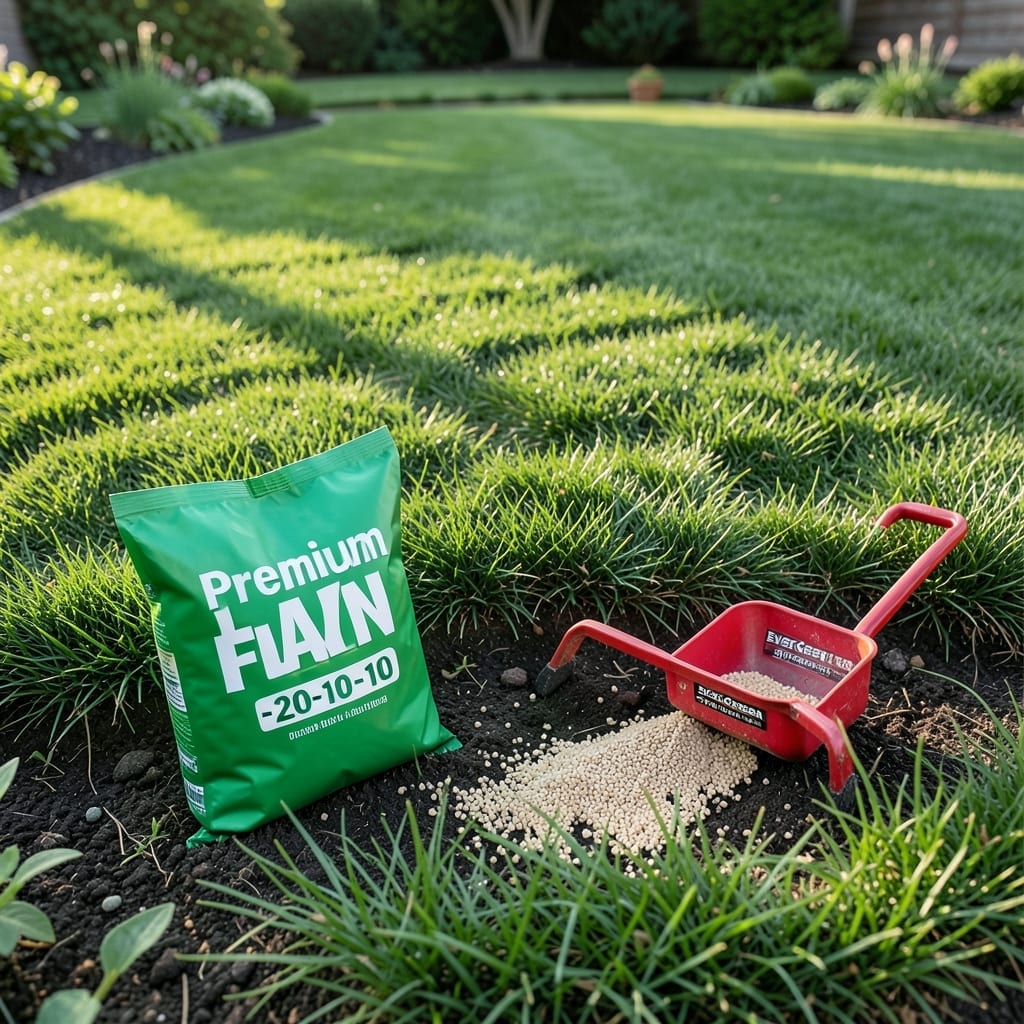
Timing your lawn fertilization perfectly is the key to a lush, green yard in Central Florida’s unique climate. Get it wrong, and you risk wasted effort or even damaging your 🌱 grass.
Our region’s warm temperatures and frequent rains create special considerations you won’t find in other parts of the country. What works for northern lawns could actually harm yours.
I’ve learned through trial and error that following a precise schedule makes all the difference. The good news? With the right timing, you can maintain vibrant grass nearly year-round.
Discover the most important months to fertilize and how to adjust for your specific grass type. Your neighbors will be asking for your secret.
Timing your lawn fertilization in Central Florida depends on grass type and seasonal growth patterns. Warm-season grasses like Bermuda, St. Augustine, and Zoysia thrive with a structured approach. The region’s USDA Zone 9b allows year-round care with adjustments.☀️
I always recommend aligning fertilization with active growth periods and avoiding summer blackout periods. Central Florida’s 300 frost-free days mean we can fertilize almost year-round, but timing is everything for optimal lawn health.🌱
| Season | Grass Type | Fertilizer Action | NPK Ratio | Frequency |
|---|---|---|---|---|
| Spring | Bermuda, St. Augustine | FEED | 16-4-8 | Every 6-8 weeks |
| Summer | All Warm-Season | Light Feed | 15-5-10 | Reduce to 8-10 weeks |
| Fall | Zoysia, Bermuda | FEED | 16-4-8 | Every 6-8 weeks |
| Winter | All Types | Skip | N/A | Dormant period |
In spring, I start fertilizing as soon as my St. Augustine grass begins to green up. This is typically in March when soil temperatures consistently reach 65°F. A slow-release fertilizer with a 16-4-8 ratio works best.🌿
During summer months, I switch to a lighter feeding schedule. The intense Florida heat can stress grass, so I reduce frequency to every 8-10 weeks. I also watch for rain forecasts to avoid washing away nutrients.
September and October are crucial for fall fertilization. This strengthens roots before winter dormancy. I use the same 16-4-8 ratio as spring but ensure I finish applications by early November.
For winter, I completely skip fertilization. Central Florida lawns enter dormancy, and fertilizing now can lead to wasted nutrients or even damage. Instead, I focus on proper watering and mowing practices.
I always apply fertilizer in the early morning when dew is present. This helps prevent burn and allows granules to stick to grass blades. I use 1 lb per 1000 sqft as my standard application rate.
Remember that Bermuda grass may need an extra light feeding in late May due to its aggressive growth. Meanwhile, St. Augustine prefers a more conservative approach during peak summer.✂️
Central Florida’s sandy soils drain quickly, so I often split applications into two lighter feedings 30 days apart rather than one heavy dose. This prevents nutrient leaching and ensures steady growth.
Your Central Florida lawn might need fertilizer even outside the standard schedule. I watch for subtle signs that my grass is craving nutrients, especially after heavy rains or extreme heat. 🌱
Look for pale green or yellowing blades, which often indicate nitrogen deficiency. Slow growth or thin patches are other red flags that your lawn needs a boost.
I’ve found that footprint test works well—if your grass stays flat after walking on it, it’s likely undernourished. This is especially common in high-traffic areas of your yard.
Another sign is increased weeds or moss growth. These opportunistic plants thrive when your lawn is weak and can’t compete for resources. ✂️
Don’t forget to check for uneven growth patterns. Some areas may grow faster than others, creating a patchy appearance that often signals inconsistent nutrient distribution.
When in doubt, I recommend a simple soil test. It’s the most accurate way to determine exactly what your Central Florida lawn needs before you apply any fertilizer. 🌿