
Beautiful Plants For Your Interior
Beautiful Plants For Your Interior
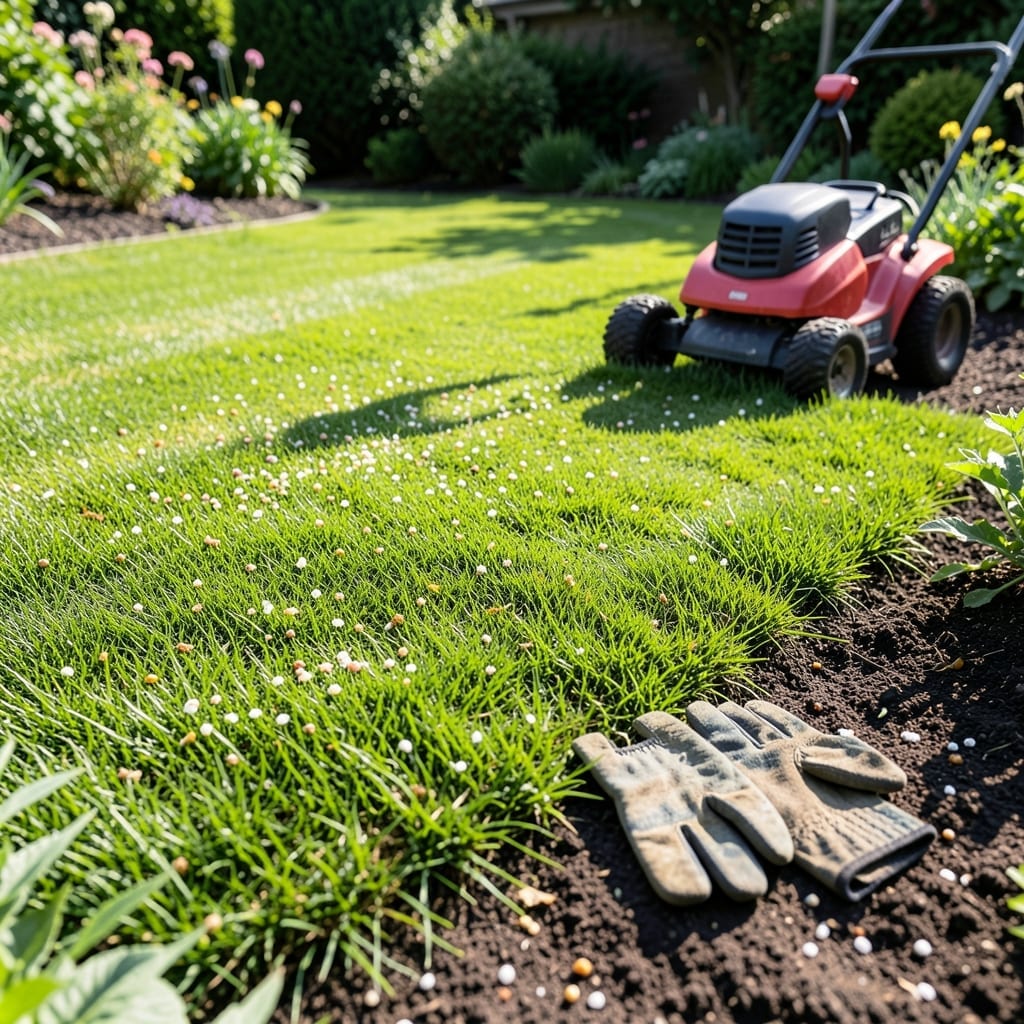
Timing your winter lawn fertilization correctly can mean the difference between a struggling, patchy yard and a lush, resilient 🌱 Lawn Grass come spring. Proper winter prep strengthens roots, prevents disease, and ensures your lawn bounces back stronger.
I’ve seen too many homeowners miss this critical window and regret it when their lawns take forever to recover. The good news? It’s easier than you think to get it right.
With the right timing—typically September to October in zone 6—you’ll give your grass the nutrients it needs to survive the cold months ahead. This isn’t just about survival, though.
It’s about setting your lawn up for faster, healthier growth when spring arrives. Let me show you exactly how to nail this process.
Getting the timing right for winter lawn fertilization is crucial for strong root development. In most regions, the ideal window falls in late fall, just before the first frost hits. This period gives your grass time to absorb nutrients while still actively growing.
For zone 6, I recommend fertilizing between mid-September and early November. The key is soil temperature—aim for when it’s consistently between 50-60°F at a 4-inch depth. This range ensures optimal nutrient uptake without promoting top growth.
| Timing Factor | Specification |
|---|---|
| Ideal Months | September, October |
| Soil Temperature | 50-60°F at 4″ depth |
| Days Before Frost | 6-8 weeks |
| Grass Activity | Active root growth |
| Application Time | Early morning |
I always tell my clients that late fall fertilization is like giving your lawn a nutrient savings account for winter. The grass stores these nutrients in its roots, using them to recover faster in spring. This is why timing is everything—too early, and you’ll promote leaf growth that can’t survive frost.
Watch your local weather forecasts closely. You want to apply fertilizer when your grass is still green but slowing its top growth. In my experience, this is usually about 2-3 weeks after the last mow of the season. The grass blades should be dry, and you should have at least 24 hours of dry weather ahead.
For cool-season grasses like Kentucky bluegrass or tall fescue, this late fall feeding is non-negotiable. These varieties continue root growth until the soil temperature drops below 45°F. Warm-season grasses, however, need their final feeding earlier, typically by late August.
Remember, the goal isn’t just to feed your lawn—it’s to strengthen it for the harsh winter months ahead. Proper timing ensures your grass enters dormancy with a full reserve of nutrients, ready to bounce back as soon as the soil warms up in spring.
I’ve seen lawns that skipped this crucial step struggle for months to recover. But those that got the timing right? They green up weeks earlier and with far more vigor. It’s one of those gardening tasks that truly pays dividends if done correctly.
🌱Choosing the right winter lawn fertilizer can make all the difference in how your grass survives the cold. I always recommend slow-release fertilizers for this season because they provide steady nutrients over time.
For cool-season grasses, look for a fertilizer with a high nitrogen content, like a 20-0-5 ratio. This helps strengthen roots before the ground freezes. Quick-release options work faster but may require reapplication.
| Type | Best For | Duration |
|---|---|---|
| Slow-Release | Cool-season grasses | 6-8 weeks |
| Quick-Release | Fast recovery | 2-4 weeks |
| Winterizer | Root strengthening | Season-long |
Apply your fertilizer when the soil temperature is between 50-60°F. This is usually 6-8 weeks before the first frost in your area. Use a spreader for even distribution.
Water your lawn lightly after application to help the fertilizer soak into the soil. Avoid fertilizing if heavy rain is forecast within 24 hours, as this can wash away the nutrients.
Remember, over-fertilizing can do more harm than good. Stick to the recommended 1 lb per 1000 sqft for most winter fertilizers. This prevents burn damage to your grass.
Finally, always test your soil before applying fertilizer. This ensures you’re addressing your lawn’s specific needs and not wasting resources on unnecessary nutrients. 🌱