
Beautiful Plants For Your Interior
Beautiful Plants For Your Interior
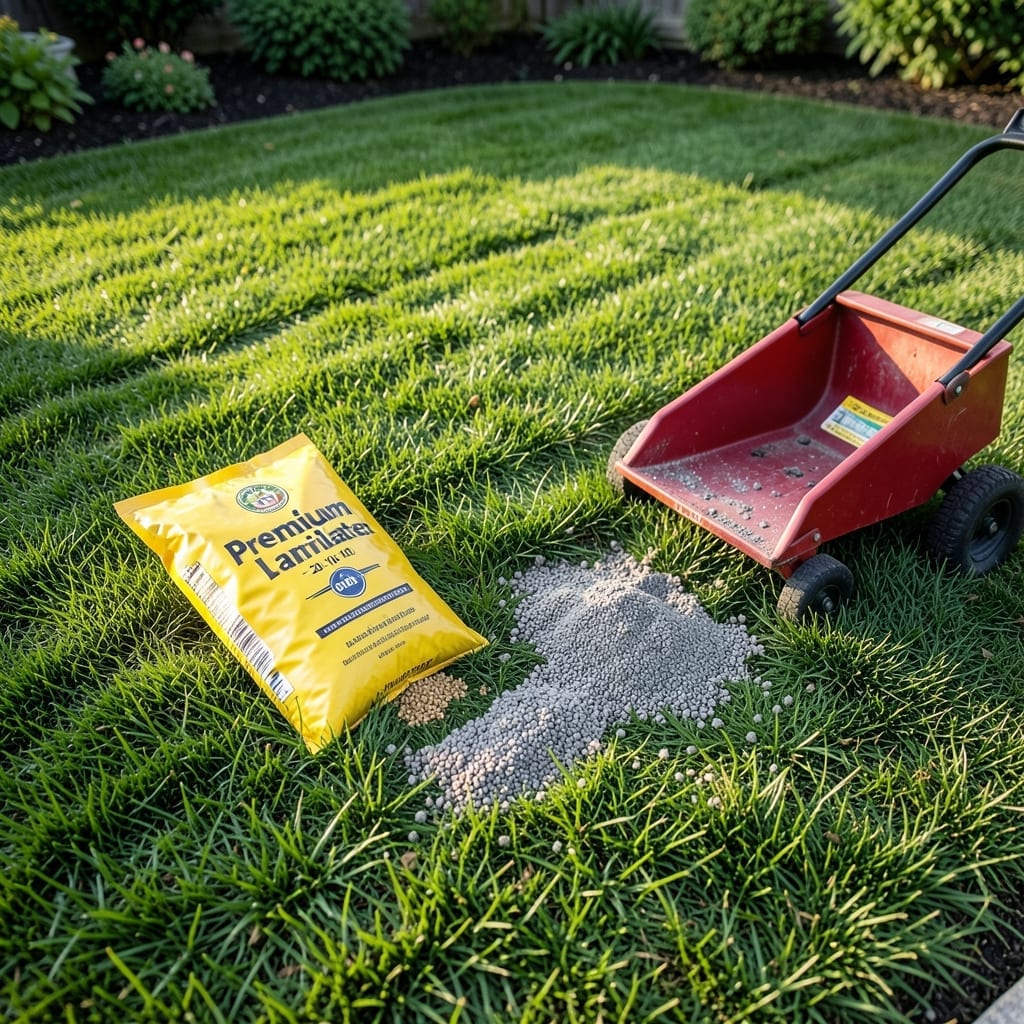
Timing your lawn fertilization in Chicago can mean the difference between a lush, green yard and a patchy, struggling one. With Zone 5b climate, knowing the optimal schedule is the key to healthy 🌱 Lawn Grass growth.
I’ve seen too many homeowners waste time and money by fertilizing at the wrong times. The right approach considers Chicago’s unique seasonal patterns and what your grass actually needs to thrive.
Whether you’re a new homeowner or a seasoned gardener, understanding this schedule will transform your lawn care routine. The good news? It’s easier than you might think to get it right.
Discover when to feed your lawn for maximum impact and how to avoid common mistakes that could be harming your grass instead of helping it.
In Chicago’s Zone 5b, timing your lawn fertilization is crucial for vibrant, healthy cool-season grasses. The key is aligning your feeding schedule with the grass’s natural growth cycles and the region’s weather patterns.
I recommend starting in early spring when the soil temperature reaches about 55°F. This is typically around mid-April in Chicago, just after the last frost date.
| Season | Action | Timing | Fertilizer Type |
|---|---|---|---|
| Spring | FEED | Mid-April to May | High-nitrogen, slow-release |
| Early Summer | Light Feed | Late May to June | Balanced, slow-release |
| Late Summer | Skip | July to August | None |
| Fall | FEED | September to October | High-nitrogen, slow-release |
| Winter | Skip | November to March | None |
The spring feeding is the most important. Use a 20-5-10 NPK ratio fertilizer to kickstart growth after winter dormancy. Apply when the grass is dry and water it in thoroughly afterward.
During early summer, switch to a balanced fertilizer like 16-4-8. Be cautious with applications in July and August—Chicago’s heat can stress your lawn, and too much fertilizer may burn the grass.
In fall, I always recommend a second heavy feeding. This helps your lawn recover from summer stress and strengthens roots before winter. Aim for late September to early October for the best results.
Avoid fertilizing in late summer and winter. Your grass is either dormant or too stressed from heat to benefit. Plus, excess fertilizer can run off into waterways, harming the environment.
For each application, use about 1 lb of nitrogen per 1,000 sq ft. Always follow the product instructions, as rates can vary. Water your lawn the day before and after applying to prevent burning.
Chicago’s clay-heavy soils can sometimes lock up nutrients. If your lawn isn’t responding, consider a soil test to check pH and nutrient levels. Adjust your approach based on the results.
Finally, remember that consistency is key. Stick to this seasonal schedule, and you’ll see a noticeable improvement in your lawn’s color, thickness, and overall health.
🌱Choosing the right fertilizer type for Chicago’s Zone 5b climate can make or break your lawn. Cool-season grasses like Kentucky bluegrass thrive with specific formulas. I always recommend matching the product to the season.
The best approach combines slow-release granules in spring, liquid feeds for summer touch-ups, and organic options in fall. Each serves a unique purpose in our unpredictable Midwest weather.
| Type | Best For | When to Use |
|---|---|---|
| Slow-Release Granules | Spring feeding | April-May |
| Liquid Fertilizer | Quick summer boost | June-July |
| Organic Compost | Fall recovery | September-October |
For spring fertilization, I prefer 20-5-10 NPK ratio granules. They provide steady nutrition as your lawn wakes from winter dormancy. The slow release prevents burning tender new growth.
During summer heat, switch to liquid fertilizers with lower nitrogen. These won’t stress your grass during Chicago’s occasional drought periods. Always water deeply after application.
Organic options shine in fall. They improve soil structure while feeding roots. I’ve found compost tea particularly effective for Chicago’s heavy clay soils. It’s gentle yet nourishing.
Remember, the application timing matters as much as the product. Early morning applications allow fertilizer to penetrate before heat sets in. Avoid midday sun to prevent leaf burn.
Lastly, always test your soil before choosing a fertilizer. Chicago lawns often need lime to balance pH. A simple test kit from your local garden center can save you guesswork.