
Beautiful Plants For Your Interior
Beautiful Plants For Your Interior
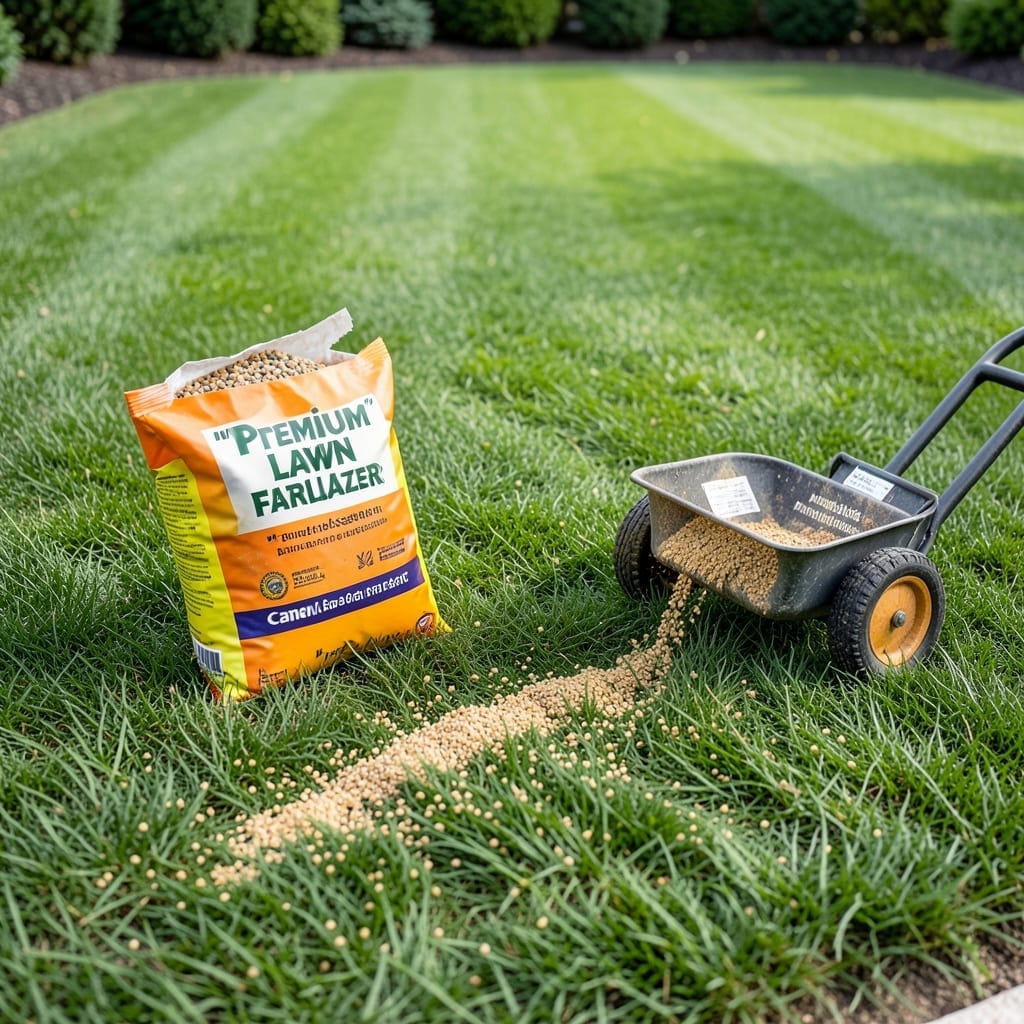
Reviving your lawn after winter starts with perfect timing—fertilize too early and you risk wasting nutrients, too late and your 🌱 Lawn Grass may struggle to recover.
This guide reveals the exact spring timeline to restore your lawn’s vibrancy. Whether you’re in Zone 6 or just eager to see green again, knowing when to act is the key.
You’ll discover how soil temperature, grass type, and local climate all play a role in determining the ideal moment to fertilize. No more guessing games.
Let’s break down the science and strategy behind giving your lawn the best possible start this season.
Timing your spring fertilization correctly can make or break your lawn’s recovery. I’ve seen too many gardeners apply fertilizer too early, only to watch nutrients wash away in late frost or rain.
Your lawn tells you when it’s ready—look for new green growth and thawed soil. These are the first signs that your grass is exiting dormancy and can actually use the nutrients you provide.
For cool-season grasses like Kentucky Bluegrass or Fescue, I recommend waiting until soil temps hit 55°F. This usually aligns with when your lawn starts showing consistent green color after winter brown.
If you’re dealing with warm-season varieties such as Bermuda or Zoysia, hold off until soil temps reach 65°F. These grasses wake up later, and fertilizing too early can feed weeds instead.
In transition zones, where both grass types might coexist, aim for 60°F soil temps. This sweet spot ensures neither grass type is left behind in the recovery process.
Don’t forget to check your local frost dates. I always wait at least 2 weeks after the last expected frost before applying fertilizer. This prevents nutrient loss from late cold snaps.
The type of fertilizer matters too. For early spring, I prefer a slow-release nitrogen formula. It feeds your lawn gradually, matching the grass’s slow awakening from dormancy.
Remember, soil testing is your secret weapon. I test my soil every early spring to check pH and nutrient levels. This tells me exactly what my lawn needs to bounce back strongly.
Finally, watch the weather forecast. I never fertilize if heavy rain is expected within 48 hours. You want those nutrients to stay put and nourish your grass, not wash into the storm drain.
🌱Choosing the right post-winter fertilizer can make or break your lawn’s recovery. I always recommend slow-release nitrogen for steady growth, especially for cool-season grasses like Kentucky bluegrass.
A 20-5-10 NPK ratio works wonders for spring revival, but test your soil first. Organic options like compost tea improve soil health long-term.
I’ve seen many homeowners over-fertilize in spring, leading to weak roots. Stick to 1 lb of nitrogen per 1,000 sq ft for safe, effective results.
Warm-season grasses like Bermuda need higher potassium for root strength. Always match your fertilizer type to your grass variety.
Avoid fertilizing before soil temps hit 55°F—your lawn won’t absorb nutrients efficiently. A soil thermometer is a worthy investment.
Finally, water your lawn deeply after applying to activate the fertilizer. This prevents nutrient runoff and ensures even distribution.
🌱