
Beautiful Plants For Your Interior
Beautiful Plants For Your Interior
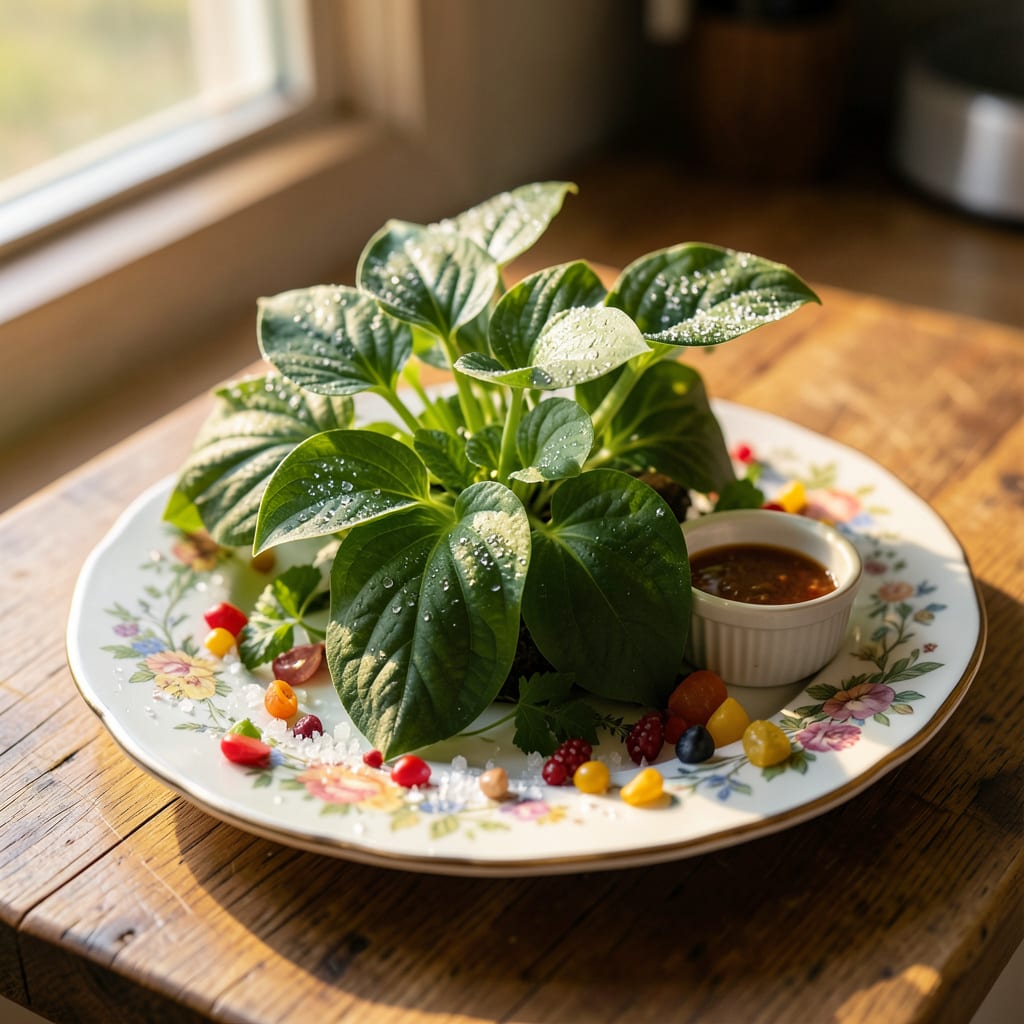
Fertilizing your Hosta 🌿 at the right time is crucial for its growth and health. Proper fertilization can lead to lush foliage and vibrant blooms in USDA Zone 6.
I’ll guide you through the best times to fertilize your Hosta, including the frequency and type of fertilizer to use for optimal growth, whether you’re planting in Spring or Fall.

Fertilizing hostas at the right time is crucial for their healthy growth and vibrant foliage. Understanding when and how to fertilize can make a significant difference in their overall health and appearance 🌿.
I recommend fertilizing hostas during their active growing season, which typically occurs in spring and early summer. This period is critical as it supports their nutrient needs for optimal growth.
The ideal time to fertilize hostas is in early spring, just as new growth begins to emerge. This is because hostas are perennials that emerge from dormancy in spring and require a boost of nutrients to support their growth. Using a balanced, slow-release fertilizer at this time helps provide the necessary nutrients for healthy foliage development.
In USDA Zone 6, where hostas are commonly grown, the last frost date is typically around April 15. Fertilizing should start after this date when the soil has warmed up and new growth is visible 🌱.
It’s also important to consider the soil conditions. Hostas prefer well-draining soil that is rich in organic matter. If your soil is heavy clay or sandy, you may need to adjust your fertilization schedule accordingly.
March is generally too early for fertilizing hostas in most regions, as the soil may still be too cold for nutrient uptake. Waiting until April or May allows the soil to warm up and ensures that the fertilizer is used efficiently.
In addition to spring fertilization, a light feeding in late summer or early fall (around September) can help hostas recover from the summer heat and prepare for the next growing season.
When choosing a fertilizer, look for a balanced NPK ratio, such as 10-10-10, which provides equal parts nitrogen, phosphorus, and potassium. This balanced formula supports overall plant health and promotes lush foliage and vibrant blooms.
Avoid over-fertilizing, as this can lead to excessive foliage growth at the expense of root development. Instead, follow the recommended fertilizer application rates and adjust based on your plant’s response.
By following these guidelines and understanding the seasonal needs of your hostas, you can ensure they receive the right nutrients at the right time for optimal growth and health 🌿.
For more specific advice tailored to your local climate and soil conditions, consider consulting with a local gardening expert or checking resources specific to your region.
Proper fertilization is just one aspect of maintaining healthy hostas. Be sure to also provide adequate watering, mulching, and pest management to support their overall health.
Fertilizing hostas effectively requires understanding the right fertilizer type and application methods. Choosing the correct fertilizer can significantly impact the health and growth of your hostas 🌿.
I recommend using a balanced, slow-release fertilizer with an NPK ratio of 10-10-10. This type of fertilizer provides equal parts nitrogen, phosphorus, and potassium, supporting overall plant health and promoting lush foliage and vibrant blooms.
Apply fertilizer in early morning when the soil is moist, ensuring optimal nutrient uptake and minimizing the risk of burning your hostas’ roots 🔥.
When applying fertilizer, it’s essential to follow the recommended application rates. For hostas, a general guideline is to use 1 cup of fertilizer per 10 square feet of soil surface area. Adjust this amount based on your specific fertilizer’s instructions and your hostas’ response to fertilization.
Avoid over-fertilizing, as this can lead to excessive foliage growth at the expense of root development. Instead, maintain a consistent fertilization schedule during the growing season, typically from spring to early fall.
In addition to choosing the right fertilizer, consider the soil conditions. Hostas prefer well-draining soil rich in organic matter. If your soil is heavy clay or sandy, you may need to adjust your fertilization schedule and soil amendments accordingly.
By following these guidelines and understanding the nutrient needs of your hostas, you can ensure they receive the right nutrients at the right time for optimal growth and health 🌿.
For more specific advice tailored to your local climate and soil conditions, consider consulting with a local gardening expert or checking resources specific to your region.
Proper fertilization is just one aspect of maintaining healthy hostas. Be sure to also provide adequate watering, mulching, and pest management to support their overall health.
Maintaining healthy hostas requires more than just proper fertilization. Other essential care practices include watering, mulching, and pest management 🌿.
I recommend watering hostas regularly during their growing season, typically from spring to early fall. Hostas prefer consistent moisture, so aim to provide about 1-2 inches of water per week, either through rainfall or irrigation.
Mulching is another crucial aspect of hosta care. Apply a 2-3 inch layer of organic mulch around your hostas to help retain soil moisture, suppress weeds, and regulate soil temperature.
When it comes to pest management, keep an eye out for common pests like slugs and snails. These pests can cause significant damage to hosta foliage, so take action promptly if you notice any issues.
By combining proper fertilization with these additional care practices, you can ensure your hostas remain healthy and thrive in your garden 🌼.
For more specific advice tailored to your local climate and soil conditions, consider consulting with a local gardening expert or checking resources specific to your region.
Fertilize hostas in early spring when new growth emerges, typically after the last frost date. For USDA Zone 6, this is around April 15. Use a balanced, slow-release fertilizer to support healthy growth .
Fertilize hostas every 4-6 weeks during their growing season, which typically spans from spring to early fall. Reduce fertilizing as growth slows in late summer and early fall .
A balanced fertilizer with an NPK ratio of 10-10-10 is ideal for hostas. This type of fertilizer provides equal parts nitrogen, phosphorus, and potassium, supporting overall plant health and promoting lush foliage and vibrant blooms .
Yes, a light feeding in early fall (around September) can help hostas recover from the summer heat and prepare for the next growing season. However, reduce fertilizing as growth slows .
