
Beautiful Plants For Your Interior
Beautiful Plants For Your Interior
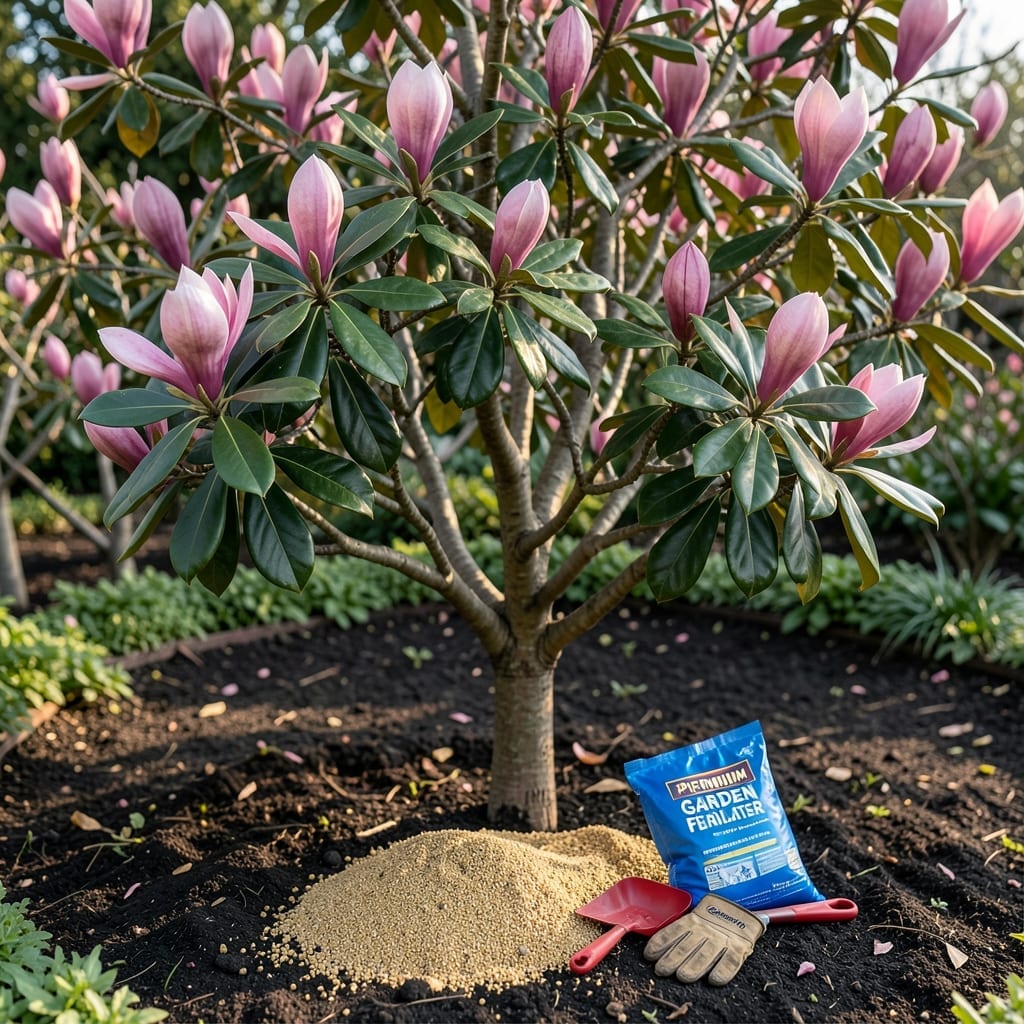
Timing your fertilizer application can make the difference between lackluster blooms and a spectacular floral display. The 🌳 Flowering Tree thrives on a well-planned feeding schedule that aligns with its natural growth cycles.
I’ve seen firsthand how the right timing transforms a tree’s performance. Whether you’re a seasoned gardener or just starting out, understanding when to feed your trees is the key to vibrant, healthy growth.
In Zone 6, the spring planting window of March – April offers the perfect opportunity to give your Flowering Tree the nutrients it needs. But that’s just the beginning of what you should know.
Discover the seasonal secrets that will help your trees flourish like never before. Let’s explore how to create a fertilization schedule that works with nature, not against it.
Getting the timing right is everything with flowering trees. I’ve seen dogwoods and cherry blossoms explode with color when fed at the perfect moment. The key is syncing your schedule with the tree’s natural cycles.
Each season plays a unique role in a tree’s development. Spring kickstarts growth, while summer maintains blooms. Fall and winter are about prep and rest. Miss the window, and you risk weak blooms or wasted effort.
| Season | Action | Purpose |
|---|---|---|
| Early Spring | Feed heavily | Supports bud break and new growth |
| Late Spring | Light feed | Sustains blooming phase |
| Early Summer | Feed again | Boosts flower production |
| Late Summer | Light feed | Maintains vigor during heat |
| Fall/Winter | Avoid feeding | Prevents late-season growth |
In early spring, just as buds swell, I apply a balanced fertilizer like 10-10-10. This gives trees the nitrogen they need for lush foliage and strong stems to support blooms.
Late spring calls for a lighter touch. I switch to a low-nitrogen formula to avoid excessive leaf growth at the expense of flowers. Phosphorus-rich options work wonders for blooming varieties.
Summer fertilization keeps the show going. I feed again in early summer with a slow-release product. This ensures a steady supply of nutrients during peak blooming and heat stress.
By late summer, I scale back. A light application of potassium-heavy fertilizer helps trees withstand drought and prepares them for dormancy. But I stop entirely by early fall.
Fall and winter are hands-off seasons. Fertilizing now can trigger new growth that won’t harden off before frost. This leaves trees vulnerable to winter damage and disease.
I always check the soil pH before feeding. Most flowering trees prefer a slightly acidic to neutral pH (6.0-7.0). A simple test kit from the garden center takes the guesswork out.
🌳Even with a perfect schedule, flowering trees sometimes need extra feeding. I watch for visual cues that signal nutrient deficiency before the standard seasonal timeline.
These signs often appear between fertilizations or when trees face stress conditions. Catching them early can prevent long-term damage to your tree’s health and blooming potential.
I’ve found pale leaves are the first clue. When older leaves turn yellow-green while veins stay green, it’s a classic sign of nitrogen hunger. A quick soil test can confirm this.
Stunted growth is another red flag. If your tree produces smaller leaves or shorter twigs than usual, it may need a nutrient boost. This often appears during rapid growth phases.
When blooms are sparse or fail to form, I suspect phosphorus deficiency. This nutrient is crucial for flower development and energy transfer within the tree.
Leaf drop outside of fall can be alarming. If leaves turn brown at edges and fall early, potassium or water stress might be the culprit. I check soil moisture first, then consider fertilization.
🌳