
Beautiful Plants For Your Interior
Beautiful Plants For Your Interior
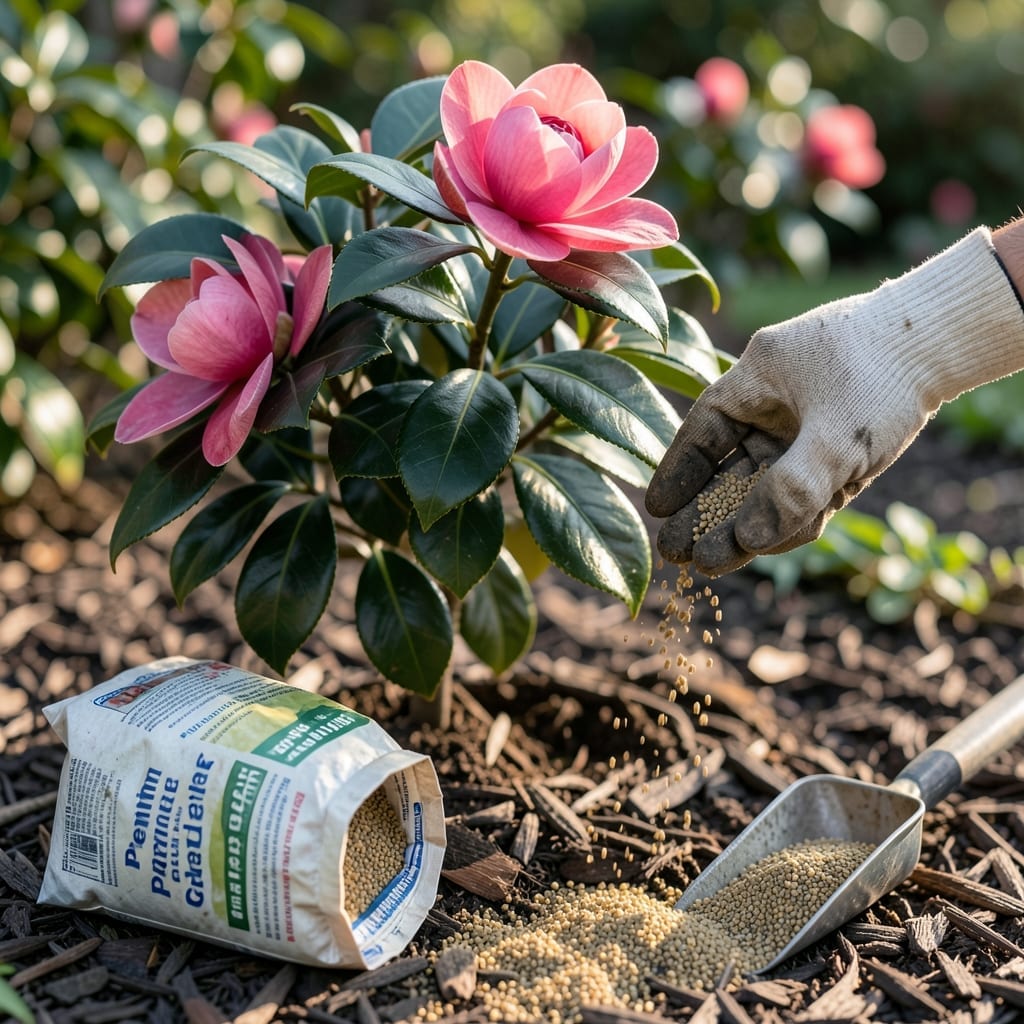
Camellias thrive in Georgia’s climate, but timing your fertilization correctly is the key to vibrant, long-lasting blooms. Fertilizing at the wrong time can waste effort or even harm your 🌸 Camellia.
In zones 7b-8a, these shrubs have specific needs that change with the seasons. I’ve learned through trial and error that getting the schedule right makes all the difference.
Whether you’re a new gardener or a seasoned pro, understanding when to feed your Camellia will transform your results. The right timing ensures lush growth and abundant flowers.
Discover the simple seasonal strategy that keeps Georgia Camellias thriving year after year. It’s easier than you might think to get it perfect.
Georgia’s USDA zones 7-8 offer ideal conditions for camellias, but timing your fertilization is key. These acid-loving shrubs thrive with seasonal feeding that aligns with their growth cycles. 🌸
I’ve found that post-bloom fertilization in early spring gives camellias the nutrient boost they need for next year’s flowers. This timing helps avoid stressing the plant during active blooming. 🌿
| Season | Action | Months | Notes |
|---|---|---|---|
| Spring | Feed | March-April | Before new growth starts |
| Summer | Light Feed | May-June | Reduce during extreme heat |
| Fall | Feed | October-Nov | After blooming, promotes next year’s flowers |
| Winter | Skip | Dec-Feb | Avoid during dormancy |
In spring, I recommend fertilizing camellias just as new growth begins, typically in March or April. This early feeding supports leaf development and bud formation for the next season. ✂️
A light feeding in late spring or early summer helps sustain growth, but I reduce the amount during Georgia’s hot summers to prevent fertilizer burn. This is especially important in drought-prone areas. ☀️
The most critical fertilization for camellias in Georgia happens in fall, after the blooming period. I apply a balanced fertilizer in October or November to strengthen roots and prepare for winter. 🌱
This fall feeding ensures your camellias have the nutrients they need to produce abundant blooms the following growing season. It’s a step I never skip in my own garden. 🌿
During winter, I avoid fertilizing entirely. Dormant camellias don’t need extra nutrients, and fertilizing now can disrupt their natural cycle or waste resources. 🪴
For best results, I always water deeply after fertilizing to help nutrients reach the root zone. This is especially important in Georgia’s clay-heavy soils, where drainage can be a challenge. 💧
Remember, camellias prefer acidic soil, so I always use a fertilizer formulated for acid-loving plants. This helps maintain the proper pH and prevents nutrient deficiencies that can stunt growth. 🌸
In Georgia’s acidic soils, selecting the right fertilizer for camellias is just as important as timing. I always look for acid-loving plant formulas with an NPK ratio of about 10-10-10 or similar. 🌸
Slow-release fertilizers work wonderfully for camellias because they provide steady nutrition without the risk of burning roots. I’ve had great success with these in my own garden. 🌿
| Type | NPK Ratio | Best For | Application |
|---|---|---|---|
| Acid-Loving | 10-10-10 | Balanced growth | Spring/Fall |
| Slow-Release | 12-6-6 | Steady feeding | Every 6-8 weeks |
| Organic | 4-3-3 | Soil health | Monthly |
Organic options like cottonseed meal or composted pine bark are excellent for improving soil structure while feeding your camellias. They’re gentle and environmentally friendly. ✂️
I always avoid alkaline fertilizers like lime because they can raise soil pH, making it harder for camellias to absorb essential nutrients. This is a common mistake in Georgia gardens. ☀️
For best results, I recommend testing your soil before choosing a fertilizer. Camellias thrive in pH 5.5-6.5, and amending the soil may be necessary to create the ideal growing environment. 🌱
Remember, less is often more with fertilizers. I follow the package instructions carefully and never exceed the recommended amounts, especially in Georgia’s warm climate. 🌿