
Beautiful Plants For Your Interior
Beautiful Plants For Your Interior
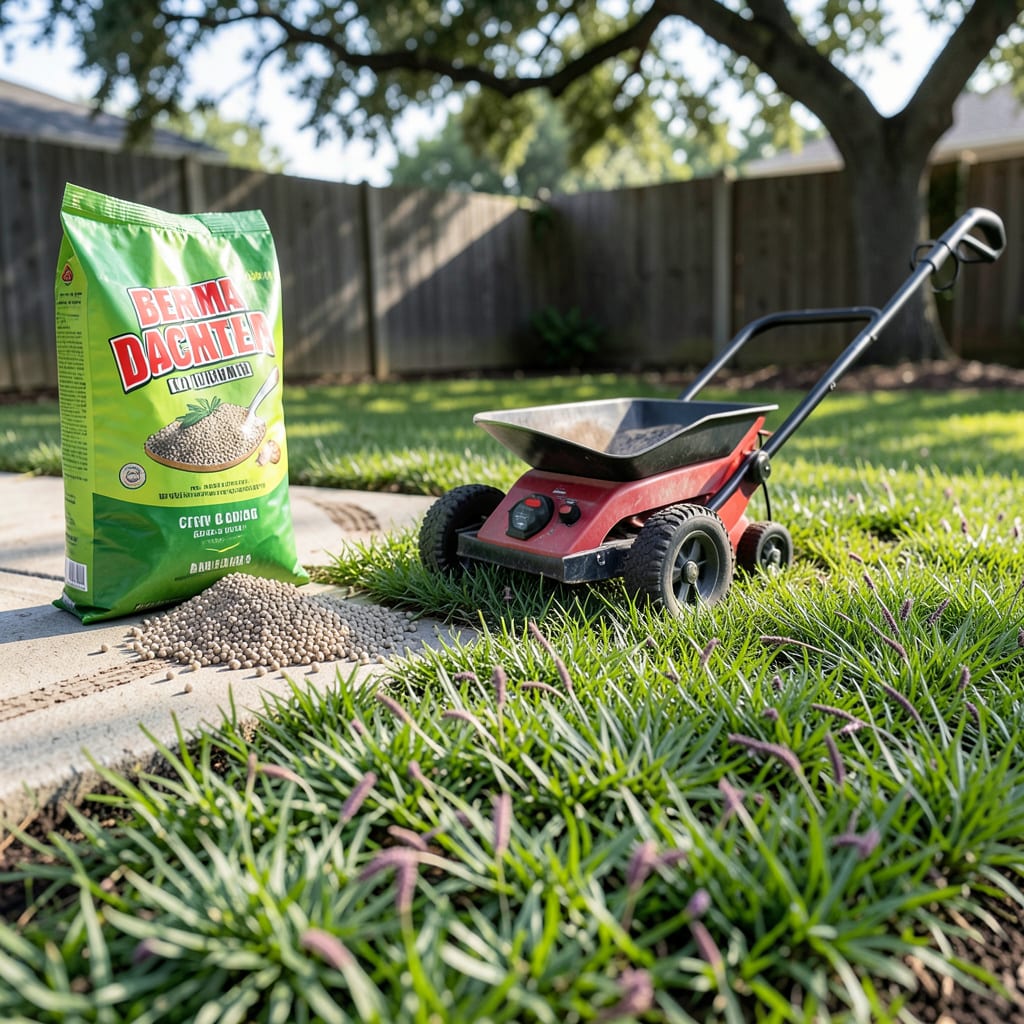
Your Bermuda grass could be one feeding away from transforming from patchy and pale to thick, vibrant, and envy-worthy. But here’s the catch: timing that fertilizer application wrong means wasted effort—and potentially a lawn that struggles all season.
I’ve seen too many homeowners throw down fertilizer at the wrong time, only to watch their 🌱 Bermuda grass burn or barely grow. The good news? A simple seasonal schedule can make all the difference. Let’s break down exactly when to feed your lawn for maximum green-up and resilience.
If you want that lush, green Bermuda grass everyone admires, timing your fertilizer applications is just as important as choosing the right product. Bermuda grass thrives in warm-season conditions, so feeding it at the wrong time can lead to wasted effort—or worse, lawn damage.
I’ve found that following a seasonal schedule based on soil temperature and growth cycles gives the best results. In warmer climates, Bermuda grass stays active longer, while cooler regions require adjustments to avoid late-season growth spurts that winter can kill off.
| Season | Months | Action | Fertilizer Type |
|---|---|---|---|
| Early Spring | March–April | Light feed (soil ≥60°F) | Slow-release 16-4-8 |
| Late Spring | May | Full feed (active growth) | High-nitrogen 30-0-4 |
| Summer | June–August | Feed every 4–6 weeks | Balanced 24-8-16 |
| Early Fall | September | Light feed (winter prep) | Low-nitrogen 10-20-20 |
| Winter | October–February | Skip (dormant) | None |
✅ Pro Tip: Always water deeply after fertilizing to prevent burn!
For cool-season climates (like USDA Zone 6), I recommend shifting your schedule 2–3 weeks later in spring and ending fertilizations by early September. This prevents tender new growth from being damaged by early frosts.
In hot southern regions, Bermuda grass may need an extra summer feeding in July if heavy rains or extreme heat stress the lawn. Look for yellowing blades or slow recovery after mowing—these are signs your grass is hungry.
Avoid fertilizing during drought conditions or when temperatures exceed 90°F. The stress can cause fertilizer to burn your lawn instead of helping it. If you must feed in extreme heat, opt for a slow-release organic option and water thoroughly.
I always suggest doing a soil test before your first spring application. Bermuda grass prefers a pH between 6.0–6.5. If your soil is too acidic or alkaline, the nutrients in your fertilizer won’t be as effective, no matter how perfectly you time it.
Remember, over-fertilizing is just as bad as under-fertilizing. Stick to the recommended 1 lb of nitrogen per 1,000 sq ft per application. Too much can lead to thatch buildup, disease susceptibility, or even lawn burn.
If you’re overseeding with ryegrass for winter, hold off on fertilizers until the Bermuda grass is fully dormant. Applying nitrogen too early will encourage Bermuda to compete with your winter grass, leaving you with a patchy mess come spring.
Finally, mark your calendar for a late-fall potassium boost (think 0-0-25 fertilizer) if your soil test shows deficiencies. This helps strengthen roots before winter dormancy, ensuring a quicker green-up next spring.
While following a seasonal fertilization schedule is crucial, your Bermuda grass might need extra nutrients outside those windows. I’ve learned that grass doesn’t always stick to a calendar—it talks to you through its appearance and behavior. Let’s decode those signals together.
One of the most obvious signs is yellowing or pale blades. Healthy Bermuda grass should be a deep, vibrant green. If it starts looking dull or straw-like, it’s likely starving for nitrogen. Another red flag is slow regrowth after mowing. Normally, Bermuda grass bounces back quickly.
I always check for thinning turf or bare spots. Bermuda grass is known for its dense growth, so if you notice patches where soil is visible, it’s a clear sign the grass isn’t getting enough nutrients. Don’t ignore weak root systems either. Gently tug on a small section—healthy roots should hold firm.
Another sneaky indicator is an increase in weeds. When Bermuda grass is underfed, weeds seize the opportunity to move in. If you’re suddenly battling more dandelions or crabgrass, it’s often because your lawn is too weak to compete. This is your grass’s way of asking for a nutrient boost.
Finally, pay attention to how your lawn feels underfoot. Sponge-like or mushy grass can signal overwatering, but if the blades feel thin and brittle, it’s likely a fertilizer issue. I recommend testing your soil if you’re unsure—it’s the best way to confirm what your Bermuda grass is craving.
Remember, these signs often appear before the ideal fertilization windows on the calendar. If you spot them, don’t wait—give your lawn a light feeding to address the deficiency. Your grass will thank you with thicker, greener growth in no time! 🌿
Choosing the right fertilizer for your Bermuda grass can feel overwhelming with all the options on the shelf. I’ve tested countless products over the years, and the key is matching the fertilizer type to your lawn’s needs—and your personal gardening style. Let’s break down the pros and cons of each.
Bermuda grass thrives on high-nitrogen fertilizers, but the form you choose—organic or synthetic—can make a big difference in results and maintenance. Synthetic fertilizers deliver quick results, while organic options build soil health over time. Your climate and lawn goals will determine which is best for you.
Best for: Eco-conscious gardeners, long-term soil health
Best for: Quick greening, high-traffic lawns
💡 Tip: For best results, I alternate between organic and synthetic fertilizers seasonally!
For new Bermuda grass lawns, I recommend starting with a slow-release organic fertilizer (like Milorganite or compost tea) to avoid burning tender new roots. Once established, you can switch to synthetic options for faster greening during peak growth seasons.
If you’re dealing with nutrient-deficient soil, a liquid fertilizer can provide an immediate boost while you work on long-term soil health. Look for products with iron and micronutrients to address yellowing between feedings.
Always check the NPK ratio on the label. Bermuda grass loves nitrogen, so aim for ratios like 16-4-8 or 30-0-4. Avoid high-phosphorus fertilizers unless your soil test shows a deficiency—too much can pollute waterways.
I’ve had great success with hybrid approaches: using organic fertilizers in spring/fall and synthetic options for summer maintenance. This balances immediate results with long-term soil health. Just
Applying fertilizer before soil reaches 60°F can stimulate growth when the roots aren’t ready. This leads to weak, vulnerable grass that’s more susceptible to frost damage or disease. Always check soil temperature with a simple thermometer before feeding.
Watch for dark green or blackened patches, excessive thatch buildup, or a sudden increase in pests. These are classic signs of over-fertilization. If you notice these, flush the area with water and pause applications for 4-6 weeks.
New lawns need a gentler approach. Wait until after the third mowing (about 6-8 weeks) before your first light feeding. Use half the recommended amount of a slow-release 16-4-8 fertilizer to avoid burning tender roots.
Early morning (before 10 AM) is ideal. This gives the product time to absorb before the afternoon heat, reducing burn risk. Avoid evening applications as dew can cause uneven distribution or promote fungal growth.
During drought, skip granular fertilizers entirely—they can burn stressed grass. If you must feed, use a liquid organic option and water deeply afterward. Resume regular schedule only after consistent rainfall or when soil moisture improves.
