
Beautiful Plants For Your Interior
Beautiful Plants For Your Interior
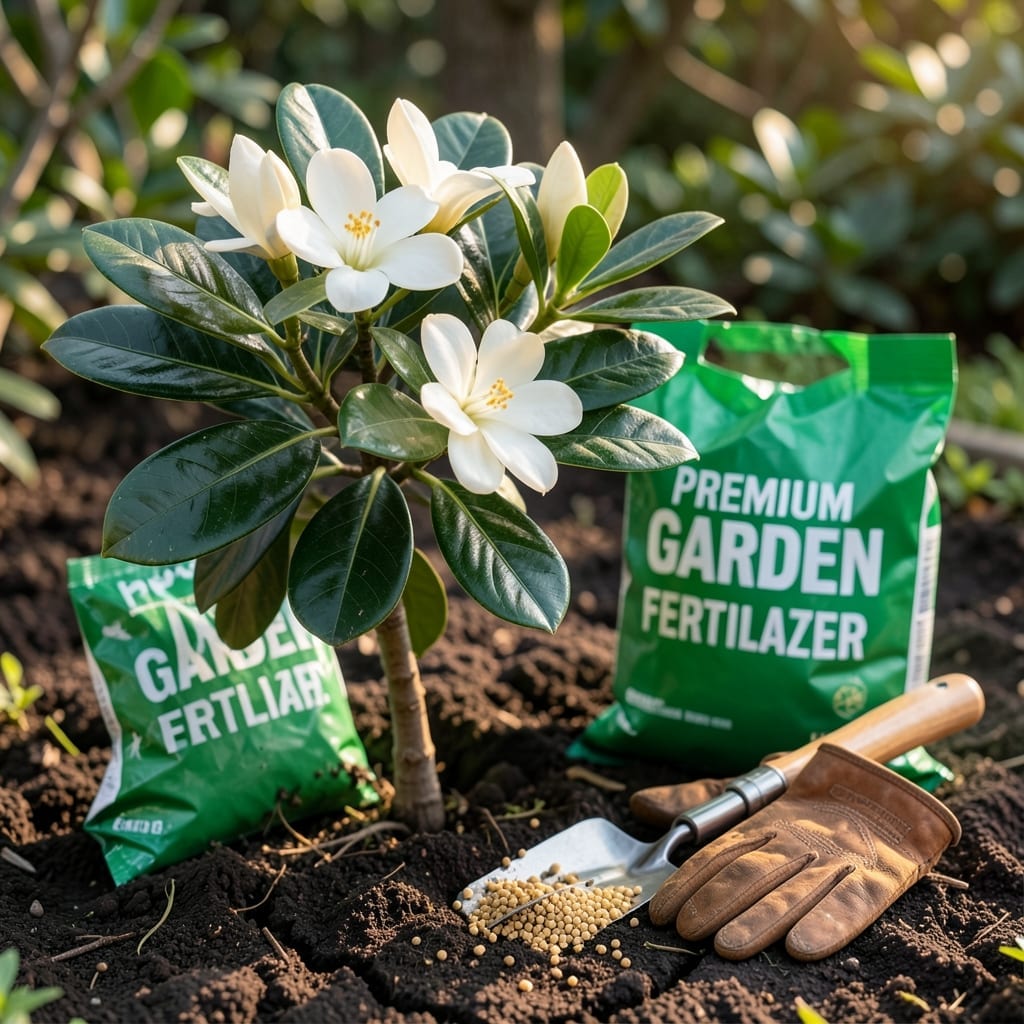
Gardenias reward careful gardeners with glossy foliage and intoxicating fragrance, but only if you feed them at the right time. Timing your fertiliser application is the key to vibrant 🌸 blooms and healthy growth.
I’ve learned through experience that these beautiful shrubs have specific needs that change with the seasons. Getting the schedule wrong can leave you with lackluster plants instead of the showstopers you dream of.
Discover how to sync your fertilising routine with your Gardenia’s natural cycle for more abundant flowers and stronger plants throughout the growing season.
Getting the timing right with gardenias means understanding their seasonal nutrient needs. These acid-loving shrubs thrive when fed during active growth but suffer if fertilised at the wrong time.
I always mark my calendar for early spring as the first feeding moment. This kickstarts new growth just as the plant wakes from winter dormancy.
| Season | Action | Frequency |
| Spring | Full fertiliser | Every 4-6 weeks |
| Summer | Light feeding | Every 6 weeks |
| Fall | Final feed | Early September |
| Winter | Skip fertilising | None |
In spring, I use a balanced acid-loving plant fertiliser every 4-6 weeks. This supports the flush of new growth and prepares the plant for its first bloom cycle.
The summer months call for a lighter touch. I switch to a half-strength solution every 6 weeks to maintain blooming without overwhelming the plant.
As autumn approaches, I give my gardenias one final feed in early September. This helps strengthen roots before winter dormancy sets in.
During winter, I completely stop fertilising. Gardenias need this rest period to conserve energy for the next growing season.
Remember that regional differences matter. In warmer zones, you might extend the feeding season by a few weeks, but always stop before the first frost.
I’ve found that morning applications work best, allowing the fertiliser to be absorbed before the heat of the day. Always water before and after feeding to prevent root burn.
For container-grown gardenias, I adjust the schedule slightly. They often need more frequent but lighter feedings due to limited soil nutrients.
This seasonal approach has consistently given me healthier plants with more abundant, fragrant blooms year after year. ☀️
Even with the best schedule, gardenias sometimes show distress signals that mean they need an extra boost. I watch for yellowing leaves between veins, which often indicates iron deficiency in these acid-loving plants.
Another red flag is poor blooming or smaller than usual flowers. This typically signals a lack of phosphorus, especially if the plant looks healthy otherwise. Stunted growth can also mean your gardenia isn’t getting enough nitrogen.
⚠️ Warning: Never fertilise a stressed gardenia during drought or extreme heat. This can burn roots and worsen the problem.
I’ve made the mistake of over-fertilising in my early gardening days. Brown leaf tips and wilting are classic signs you’ve gone too heavy-handed. Always follow package instructions and remember that less is often more with gardenias.
Using the wrong NPK ratio is another common pitfall. Gardenias need acid-forming fertilisers with higher nitrogen. A 30-10-10 ratio works well, or look for products specifically labeled for acid-loving plants.
Timing mistakes can be just as damaging. Fertilising too late in fall can stimulate new growth that won’t harden off before winter. I stop all feeding by mid-September in most climates to be safe.
Always water your gardenia thoroughly before and after applying fertiliser. This prevents root burn and helps distribute nutrients evenly through the soil. With these precautions, you’ll avoid most common fertilising problems. 🌿