
Beautiful Plants For Your Interior
Beautiful Plants For Your Interior
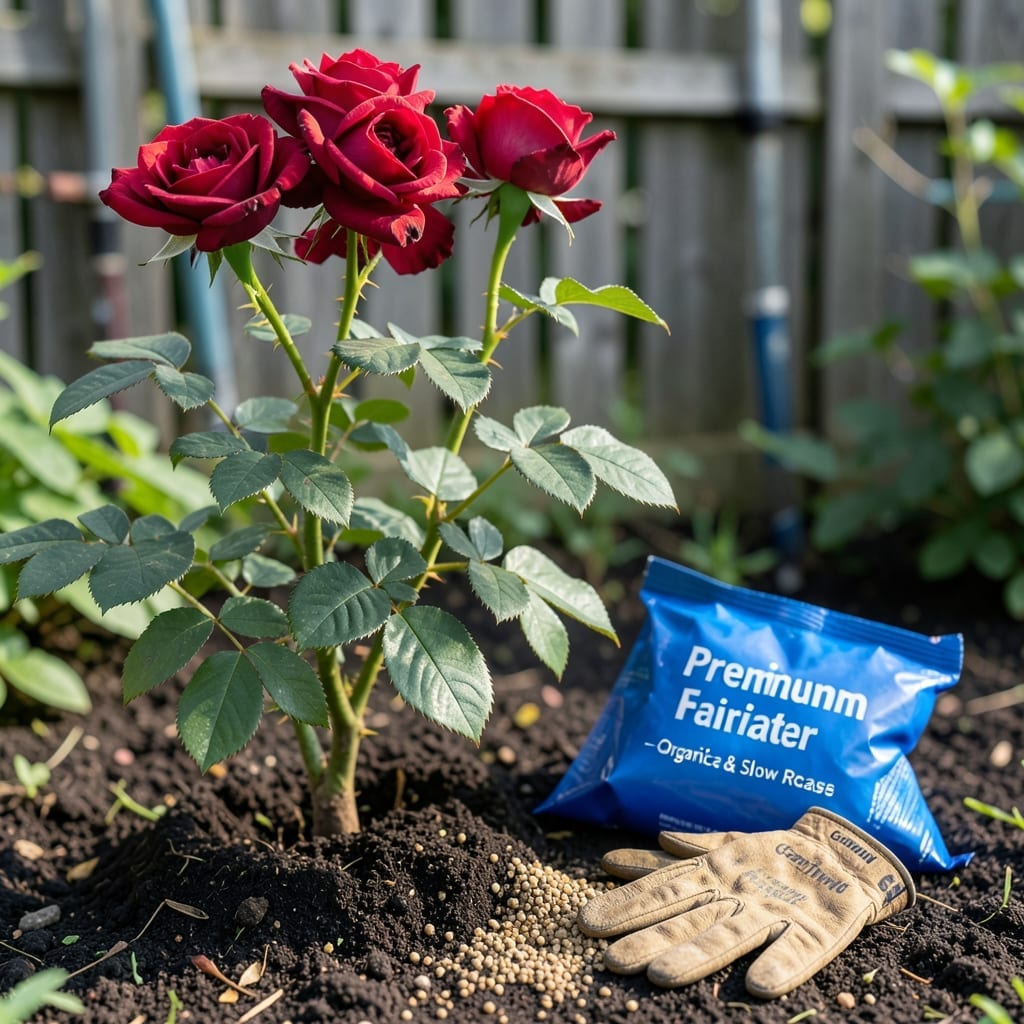
Roses are the crown jewels of any garden, but their breathtaking blooms depend on a precise feeding schedule. Knowing when to feed can mean the difference between lackluster growth and a vibrant, flower-filled season.
I’ve seen too many gardeners struggle with 🌹 Roses that refuse to thrive, simply because they missed the feeding window. The right timing transforms your plants from surviving to spectacular.
Discover the seasonal secrets that will keep your roses blooming from spring through fall. Let’s dig into the schedule that works.
Timing your rose fertilization correctly is the secret to lush blooms and healthy growth. I always mark my calendar for these key feeding windows to keep my roses thriving.
Each season demands a different approach. Spring feeding kickstarts growth, while summer adjustments prevent stress during heat waves.
| Season | Feeding Action | Key Notes |
| Spring | FEED | Start at first signs of new growth |
| Early Summer | Light Feed | Avoid burning in heat |
| Late Summer | FEED | Boost before fall blooms |
| Fall | FEED | Encourage root growth |
| Winter | Skip | Dormant period |
In early spring, I apply a balanced fertilizer like 10-10-10 when I see the first new leaves emerging. This gives plants the nutrients they need for strong stems.
The first feeding should coincide with pruning time. For my USDA Zone 6 garden, this is usually around mid-April, right after the last frost date.
As temperatures rise in summer, I switch to light feedings every 4-6 weeks. The heat can stress roses, so I avoid heavy applications that might burn the roots.
I always water deeply after fertilizing to help distribute nutrients. This is especially important during dry spells when roses need extra moisture to absorb the food.
For fall feeding, I focus on phosphorus-rich formulas to encourage root development before winter. This helps roses store energy for next year’s growth.
I stop all feeding by late fall to allow roses to enter dormancy naturally. Continuing to feed too late can stimulate new growth that won’t survive winter.
Remember, morning applications are best. This gives plants time to absorb nutrients before the heat of the day and reduces the risk of fertilizer burn.
With this seasonal schedule, my roses bloom abundantly from June through October. The consistent feeding keeps them vigorous and resistant to common problems. 🌹
Your roses often send clear signals when they’re hungry. I watch for yellowing leaves or weak stems as the first signs they need a nutrient boost.
Slow growth and fewer blooms are other red flags. If your plants aren’t performing like they used to, it might be time to adjust your feeding routine.
For nitrogen deficiency, I see pale leaves and stunted growth. A balanced fertilizer like 10-10-10 usually corrects this quickly.
Phosphorus deficiency shows as purple stems or poor flowering. I switch to a bloom booster with higher phosphorus to encourage more flowers.
I always test my soil before applying fertilizer. This helps me choose the right formula and avoid overfeeding, which can damage plants.
For organic options, I love using compost tea or fish emulsion. These provide gentle, consistent nutrition without the risk of burning.
Remember, evening applications can leave fertilizer on leaves overnight, increasing the risk of disease. I always feed in the early morning for best results. 🌹