
Beautiful Plants For Your Interior
Beautiful Plants For Your Interior
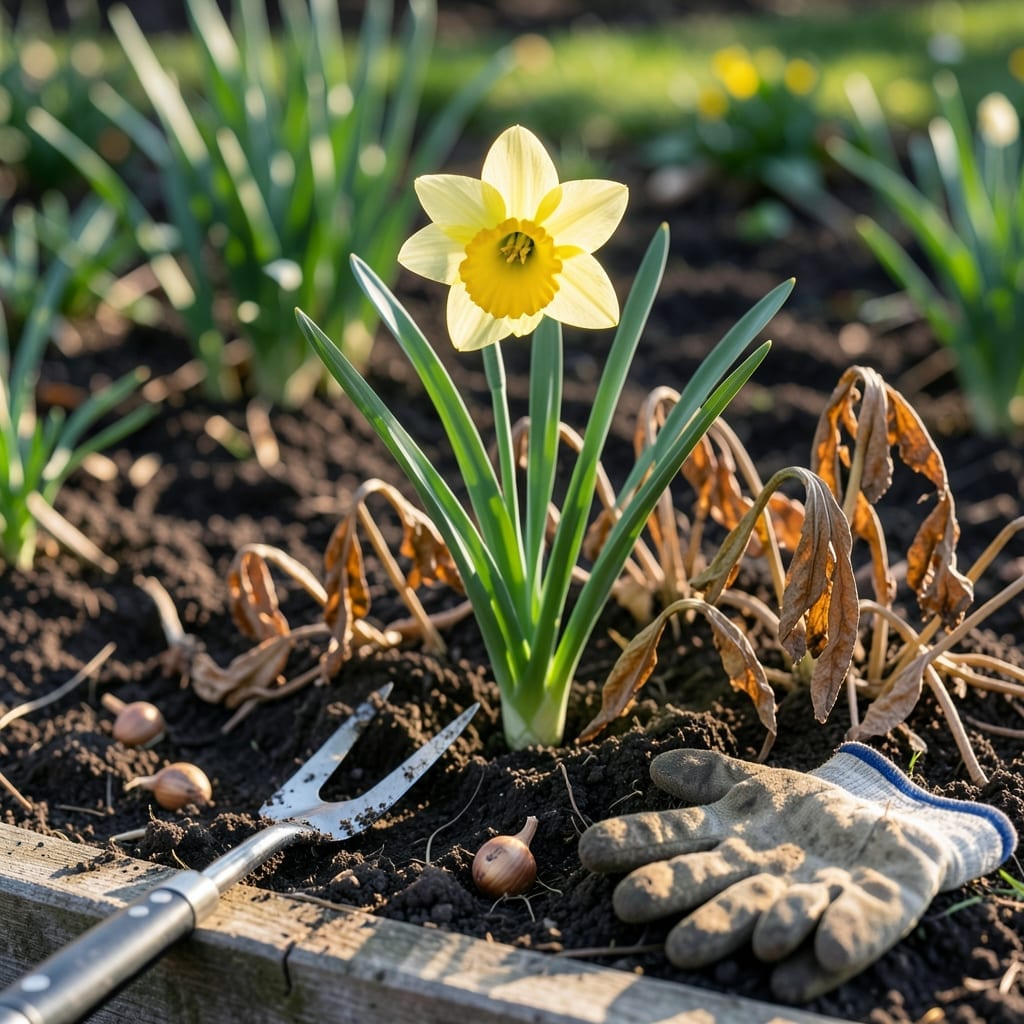
Knowing when to dig up your 🌼 Daffodils can transform next spring’s garden from dull to dazzling. Timing is everything with these resilient perennials.
If you’ve ever wondered why your blooms looked sparse one year, it might be because you missed the perfect window. The signs are subtle but unmistakable once you know what to look for.
I’ll show you the key indicators that your bulbs are ready and how to handle them for the best results next season. Let’s make your garden the envy of the neighborhood.
Timing your daffodil bulb removal is critical for vibrant spring blooms. The best window arrives when foliage turns yellow or brown, signaling the bulb has stored enough energy for next year.
I wait until 6-8 weeks after blooming, when stems are dry and brittle. This ensures the bulb has completed its growth cycle and won’t be stressed by early removal.
| Signal | Description |
|---|---|
| Foliage color | Turns yellow or brown |
| Stem condition | Dry and brittle to touch |
| Bulb feel | Firm and dry, not soft |
| Timing | 6-8 weeks post-bloom |
If you dig too early, the bulb won’t mature properly. Green foliage means it’s still photosynthesizing to build energy reserves for next year’s flowers.
Another key sign is the stem condition. When they’re still green and upright, the bulb is actively storing nutrients. Wait until they collapse naturally.
In my experience, the soil temperature matters too. Dig when the soil is warm but not hot, typically in late spring to early summer.
For USDA zones 3-8, this usually means June or July. Warmer climates may see this happen earlier, while cooler areas might need to wait until August.
I always check bulb firmness before digging. If it feels soft or moist, it’s not ready. A firm, dry bulb indicates it’s stored all the energy it needs.
After digging, let bulbs dry in shade for a few days. Then store them in a cool, dark place with good airflow until replanting in fall.
Remember, patience pays off. Rushing this process can lead to weak or no blooms next year. The wait ensures your daffodils come back stronger and more vibrant.
🌼Overcrowded daffodil clumps often produce fewer blooms or smaller flowers. This is your first sign that division is needed. I check for dense foliage where individual stems are hard to distinguish.
Reduced flowering despite good care is another clear indicator. When bulb multiplication creates competition underground, the plants can’t store enough energy for robust blooms the following year.
I use a garden fork rather than a spade to minimize bulb damage. The tines slip between bulbs more easily, preserving their structure for successful replanting.
After separation, I inspect each bulb carefully. Healthy ones feel firm with no soft spots. Any showing mold or rot go straight to the compost pile to prevent disease spread.
Replant the largest bulbs first, as they’ll produce the best blooms next year. Smaller offsets can be nurtured in a nursery bed for a season before joining the main display.
Water your divided daffodil bulbs thoroughly after replanting. This helps them settle and establishes good soil contact for root growth before winter dormancy.
🌼