
Beautiful Plants For Your Interior
Beautiful Plants For Your Interior
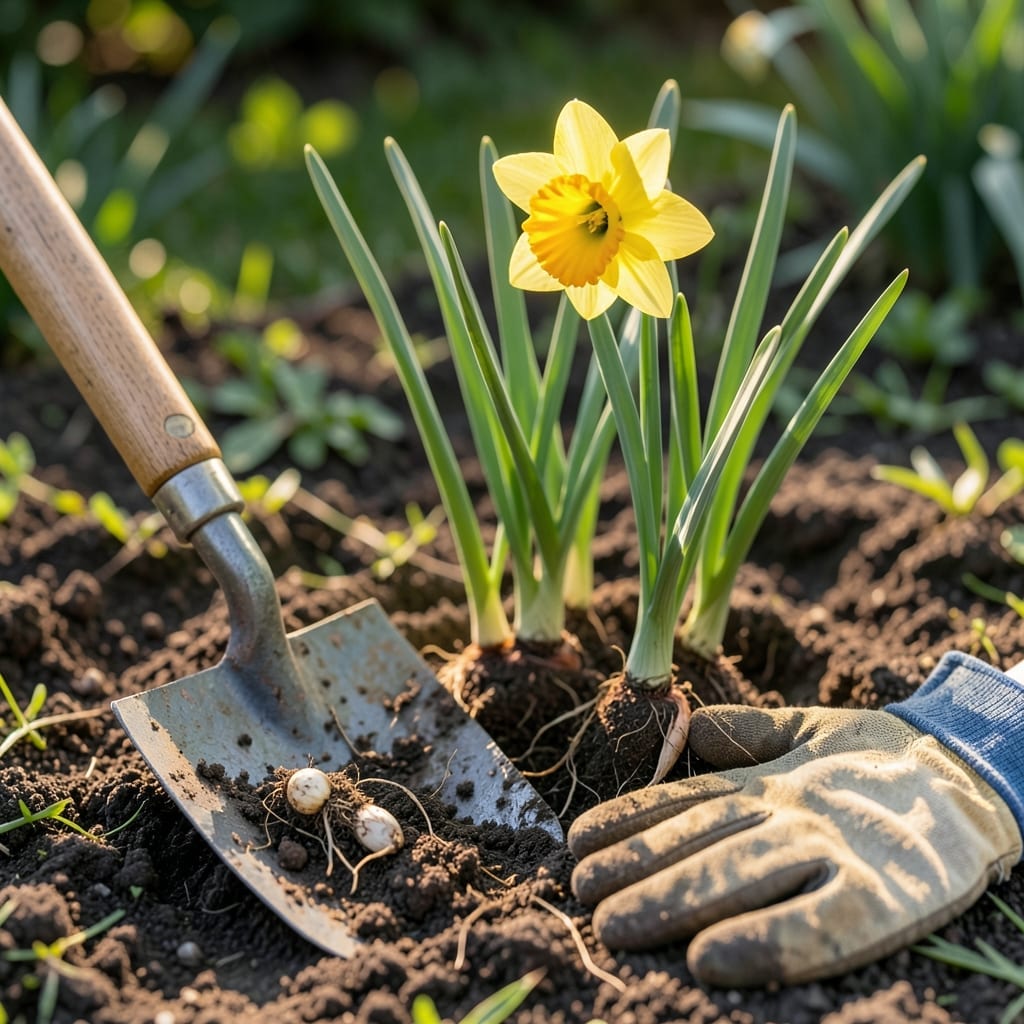
Timing is everything when it comes to digging up Daffodil 🌼 bulbs—do it right, and you’ll ensure vibrant blooms next season.
Miss the window, and you risk harming their growth or losing them entirely. I’ve learned the hard way that waiting for the foliage to yellow is the key signal.
Let me walk you through the best practices for lifting bulbs in zones 3-8, so your garden stays healthy and ready for replanting.
The ideal window for digging up daffodil bulbs is late spring to early summer, once the foliage has fully yellowed and died back.
This usually occurs 6-8 weeks after blooming, when the plant has stored enough energy for next year’s growth.
In warmer climates (Zones 7-8), you may need to dig earlier to prevent the bulbs from overheating in the soil.
Conversely, in cooler zones (3-5), you can wait until early summer as the ground stays cooler longer.
I always check for three key signs: completely yellow foliage, stems that detach easily, and bulbs that feel loose in the soil.
If you dig too early, the bulbs won’t have stored enough nutrients for next year’s vibrant blooms. Digging too late risks rot or pest damage.
For container-grown daffodils, the same rules apply, but they may dry out faster, so monitor them closely.
After digging, I let the bulbs dry in a well-ventilated area for a few days before cleaning and storing them.
This timing ensures your daffodils will come back stronger next season with bigger, brighter flowers 🌼
To safely dig up daffodil bulbs, I start by gathering the right tools: a garden fork, pruners, and a soft brush for cleaning.
The digging process begins when the foliage has turned completely yellow, which typically happens 6-8 weeks after the blooms fade.
I always use a mesh bag for storage to ensure proper airflow, which prevents rot or mold from developing on the bulbs.
For optimal storage, keep the temperature between 60-65°F with low humidity to maintain bulb health.
Avoid storing bulbs in plastic containers, as they can trap moisture and lead to fungal growth.
After a few months in storage, your bulbs will be ready for fall replanting, ensuring a vibrant display next spring ✂️