
Beautiful Plants For Your Interior
Beautiful Plants For Your Interior
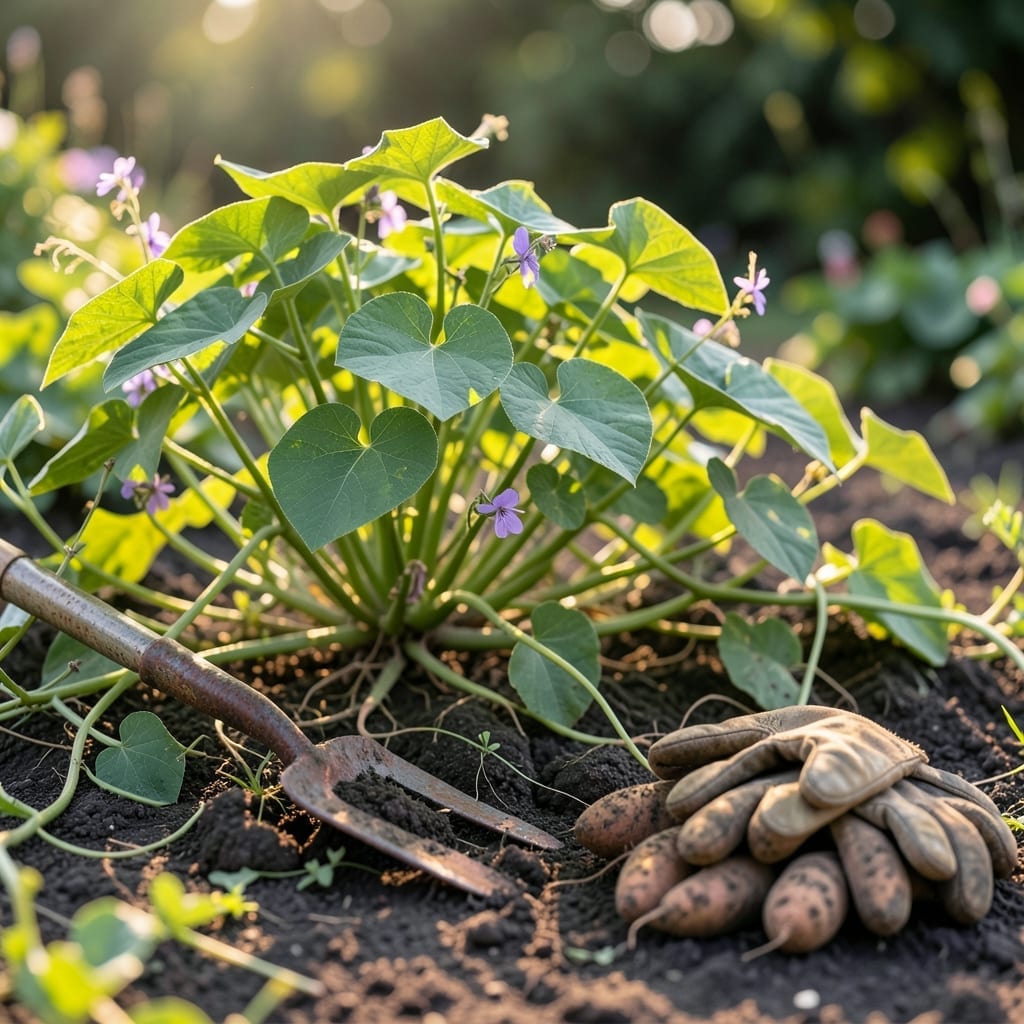
Knowing exactly when to dig your 🍠 Sweet Potatoes can make or break your harvest. These tubers send clear signals when they’re ready to leave the soil.
From leaf yellowing to vine dieback, there are key signs that tell you it’s time. I’ll show you what to look for and why timing matters so much.
With the right approach, you’ll pull up perfectly ripe Sweet Potatoes every time. Let’s uncover the secrets to a successful harvest.
Timing your sweet potato harvest perfectly starts with watching the plants. The most obvious sign is when the vines begin yellowing and die back naturally.
This typically happens 90-120 days after planting, depending on the variety. I always check for firm, smooth skins on a few test tubers before committing to a full harvest.
Sweet Potato Harvest Readiness
| Sign | What to Look For | Timing |
|---|---|---|
| Vine Color | Yellowing leaves | 90-100 days |
| Vine Condition | Dieback begins | 100-120 days |
| Tuber Size | 3-4 inches diameter | Any time after 90 days |
| Soil Temp | Drops below 55°F | Before first frost |
Another reliable indicator is the size of the tubers. Most varieties reach 3-4 inches in diameter when mature. I use a hand trowel to gently probe the soil near the plant base.
Pay attention to the soil temperature too. Sweet potatoes stop growing when soil temps drop below 55°F, which often coincides with vine dieback in cooler climates.
The skin color also changes as they mature. Immature tubers have thin, easily damaged skin, while ready ones develop a thicker, more vibrant hue that’s harder to scratch.
I’ve found that morning harvesting works best. The tubers are firmer after a cool night, making them less prone to bruising during digging.
Don’t wait for all vines to die completely. If 50-75% show yellowing, it’s safe to start harvesting. This staggered approach prevents over-ripening of early maturers.
Remember that early varieties like Georgia Jet may be ready in 90 days, while Beauregard often needs the full 120 days. Check your seed packet for specifics.
Finally, always dig before the first frost. Even a light frost can damage the vines and potentially harm the tubers. In my zone 6 garden, this usually means harvesting by mid-October.
With these signs in mind, you’ll never question when to dig your sweet potatoes again. The plants practically tell you when they’re ready ☀️
Your sweet potato harvest timing isn’t just about the plants – it’s deeply tied to your local weather patterns. Warmer climates often see faster maturation, while cooler areas need the full growing season.
I’ve noticed that consistent rainfall can speed up growth, but too much water may cause cracking or rot. Aim for 1-2 inches per week for best results.
Weather Factors Impacting Harvest Time
In drought conditions, sweet potatoes may mature faster but produce smaller tubers. I always mulch heavily to retain moisture during dry spells.
Conversely, excessive rain can delay harvest by keeping soils too cool. In my experience, well-drained raised beds help mitigate this issue.
Regional differences matter too. Southern growers often harvest in late summer, while northern gardeners wait until early fall. Watch your local first frost date closely.
For early crops, start slips indoors 4-6 weeks before last frost. This gives you a head start in shorter growing seasons.
Late plantings may need black plastic mulch to warm the soil. This can add precious weeks to your growing window.