
Beautiful Plants For Your Interior
Beautiful Plants For Your Interior
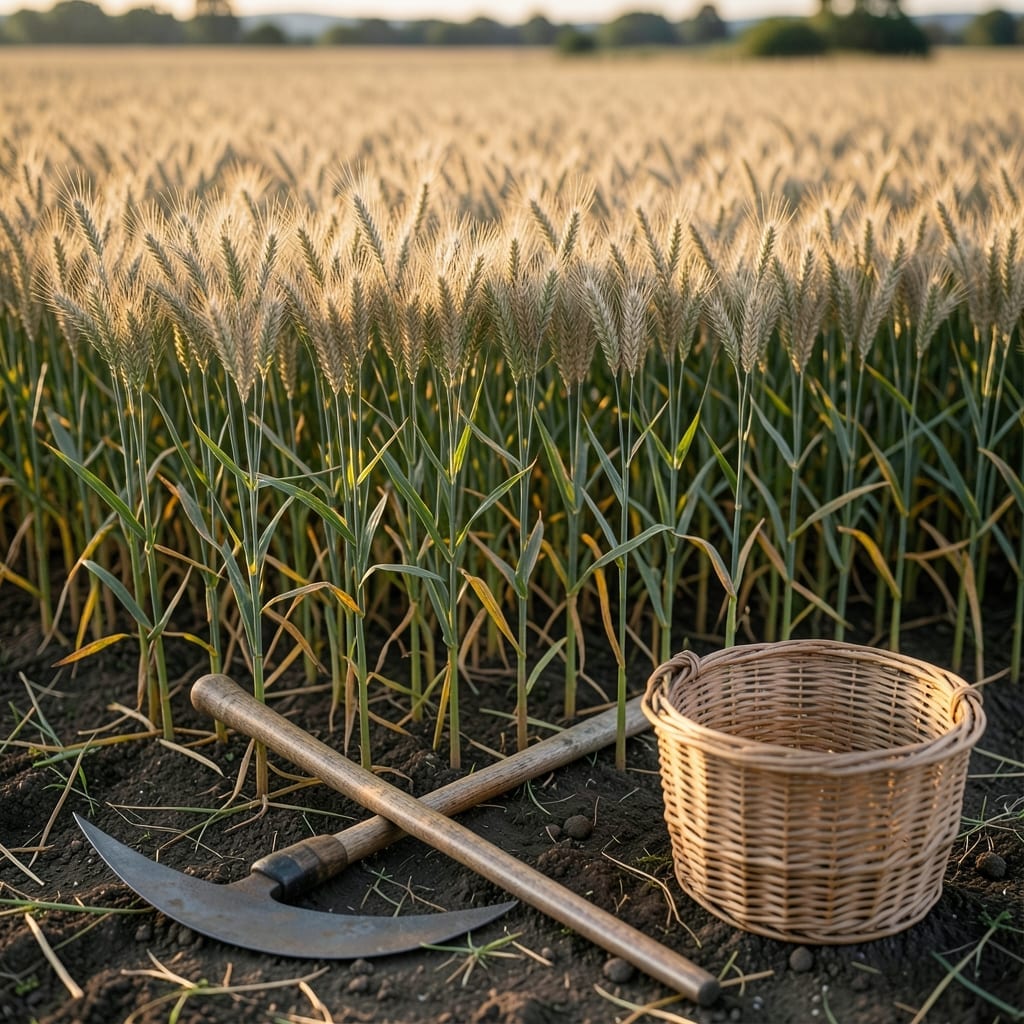
Harvesting 🌾 Wheat at the right time can make or break your yield. Cut too early, and you’ll get underripe grain; wait too long, and weather or shattering could ruin your crop.
For home growers in zone 6, timing is everything. The difference between a mediocre harvest and a bumper crop often comes down to just a few days.
I’ll show you the exact visual cues and seasonal signals to watch for. Discover how to nail that perfect window every time.
Timing your wheat harvest perfectly ensures maximum yield and quality. For home gardeners, the key is watching for visual cues rather than just relying on calendar dates. I’ve found that wheat tells you when it’s ready if you know what to look for.
The most reliable sign is the moisture content of the grain, which should be between 13-15% for optimal cutting. But since most of us don’t have moisture meters, I’ll share the physical signs that indicate it’s time to act.
| Sign | Description |
|---|---|
| Color Change | Heads turn golden brown |
| Kernel Hardness | Grains are hard and dry |
| Stem Condition | Stems are yellow and brittle |
| Head Position | Heads bend downward |
| Moisture Level | Below 20% (ideally 13-15%) |
First, check the color of the wheat heads. When they shift from green to a uniform golden brown, that’s your first clue. This color change typically happens 110-130 days after planting for most varieties in zone 6.
Next, examine the kernels themselves. Press a grain between your fingers—if it resists denting and feels hard, it’s likely ready. Soft or doughy kernels mean you need to wait a few more days. ☀️
The stems will also give you clues. As harvest time nears, they’ll turn from green to yellow or brown and become dry and brittle. If you can easily snap a stem with your fingers, that’s a good sign.
Another visual cue is the position of the wheat heads. When they begin to bend over under their own weight, the grain is usually mature. This often happens just before the stems fully dry out.
For the most accurate check, test the moisture content. If you have access to a meter, aim for 13-15%. Without one, you can use the squeeze test: bite a kernel—if it cracks rather than squishes, it’s ready.
Remember that weather conditions can speed up or delay these signs. A hot, dry spell might accelerate maturity, while cool, wet weather can prolong the process. I always keep an eye on the forecast as harvest time approaches.
Finally, consider the time of day for cutting. Early morning is ideal when dew has evaporated but before the heat of the day sets in. This helps preserve grain quality during the initial drying process.
With these signs in mind, you’ll be able to confidently determine the perfect moment to cut your wheat for the best possible yield. 🌾
As a home grower, I’ve learned that weather patterns and wheat variety dramatically impact when to cut. Spring wheat matures faster than winter wheat, often ready in 90-110 days versus 180-220 days.
Hard wheat varieties like Red Fife or Hard Red Spring typically need more time to dry down. Meanwhile, soft wheat types may reach 13-15% moisture slightly sooner. Always check your seed packet for specifics. ☀️
| Factor | Spring Wheat | Winter Wheat |
|---|---|---|
| Days to Maturity | 90-110 days | 180-220 days |
| Moisture Tolerance | Lower | Higher |
| Heat Impact | Speeds maturity | May delay |
| Rain Effect | Can delay harvest | Extends drying time |
Hot, dry weather accelerates maturity by reducing moisture faster. In contrast, cool, humid conditions slow the process, requiring extra patience. I always monitor the 10-day forecast leading up to harvest.
For winter wheat, planted in fall, the harvest window typically falls in early summer. Spring wheat, sown in late winter or early spring, usually matures by late summer in zone 6.
Hard red wheat often needs more time to reach optimal hardness. Soft white wheat may be ready 5-7 days earlier under the same conditions. 🌾
Remember that local microclimates can create variations. A south-facing slope might dry faster than a shaded valley. I recommend checking multiple plants across your field for consistent readiness signs.
By understanding these factors, you can fine-tune your timing for the best possible harvest results. 🌿