
Beautiful Plants For Your Interior
Beautiful Plants For Your Interior
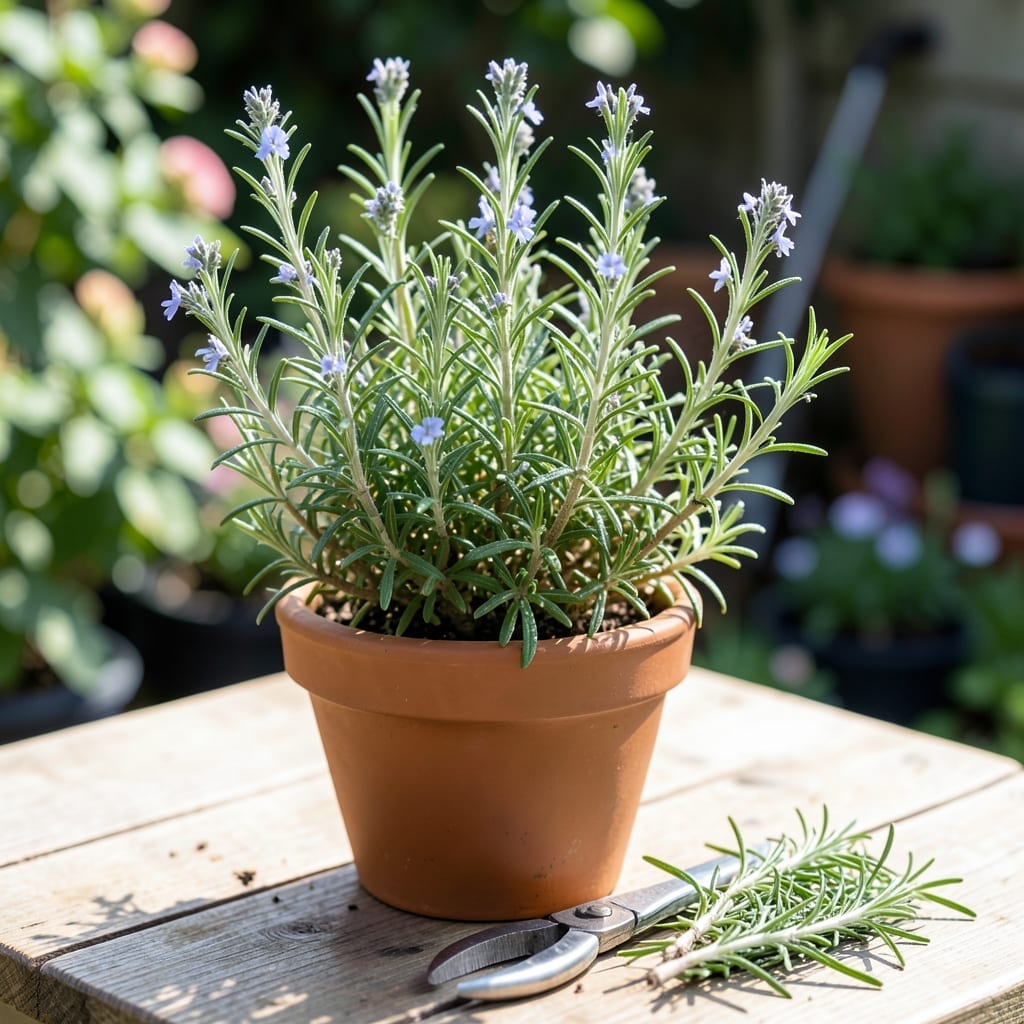
Pruning Rosemary at the right time ensures lush, aromatic growth. Cut too early or late, and you risk stunting its flavor and vigor. Timing is everything when it comes to this hardy herb.
I’ve learned that spring is the most important season for trimming back your 🌿 Rosemary. It’s when the plant wakes up from winter dormancy and is ready for new growth.
Discover how to keep your Rosemary healthy and thriving. With the right approach, you’ll enjoy bushier plants and better harvests all season long.
Timing your rosemary pruning right can make or break your plant’s health. I’ve found that late spring is ideal, just as new growth begins to appear after winter dormancy. This is when the plant is most resilient.
The best window typically falls between April and May, depending on your climate zone. Pruning during this period encourages bushier growth and more abundant foliage for the season ahead.
| cell” style=”background-color: #6fd544; color: #fff;”>Pruning Window | row”> | cell”>April-May | row”> | cell”>June-July | row”> | cell”>August-Sept | row”> | cell”>Avoid | Plant is dormant, vulnerable to cold |
Avoid pruning in winter when rosemary is dormant. Cold temperatures stress the plant, and fresh cuts are more susceptible to frost damage. Always wait until the threat of frost has passed.
In summer, you can do light pruning to maintain shape, but avoid heavy cuts. The heat can stress the plant, and excessive trimming may lead to sunburned foliage or reduced vigor.
Early fall is another good time for a light trim, especially if your rosemary has grown leggy. This helps prevent woody stems and keeps the plant compact before winter sets in.
I always check for new growth before pruning. If the tips are green and soft, it’s a good sign the plant is actively growing and can handle a trim. If stems are brown and woody, it’s best to wait.
For warmer climates (Zones 8-10), you might prune year-round, but still avoid the coldest months. In cooler areas (Zones 6-7), stick to spring and early fall to be safe.
Remember, never remove more than 1/3 of the plant at once. This prevents shock and ensures your rosemary recovers quickly. A little at a time goes a long way.
If your rosemary flowers in late spring or summer, wait until the blooms fade before pruning. This allows the plant to put energy into both flowers and new growth without stress.
By following these seasonal guidelines, you’ll keep your rosemary healthy, aromatic, and ready to thrive year after year ✂️
Pruning rosemary properly keeps it bushy and productive. I always start by gathering the right tools: sharp bypass pruners and clean gloves to avoid damaging the stems.
Begin by removing any dead or diseased wood first. This helps the plant focus its energy on healthy growth. Look for brown, brittle stems and cut them back to the base.
Avoid cutting into old wood—the thick, woody stems at the center. These parts rarely sprout new growth, and pruning them can leave your rosemary looking bare and stunted.
After pruning, I give my rosemary a light watering to help it recover. Avoid heavy feeding right after trimming, as it can stress the plant. Instead, wait a week or two before fertilizing.
If your rosemary is flowering, wait until the blooms fade before pruning. This ensures the plant puts energy into both flowers and new growth without unnecessary stress.
By following these steps, you’ll keep your rosemary thriving and looking its best year-round ✂️