
Beautiful Plants For Your Interior
Beautiful Plants For Your Interior
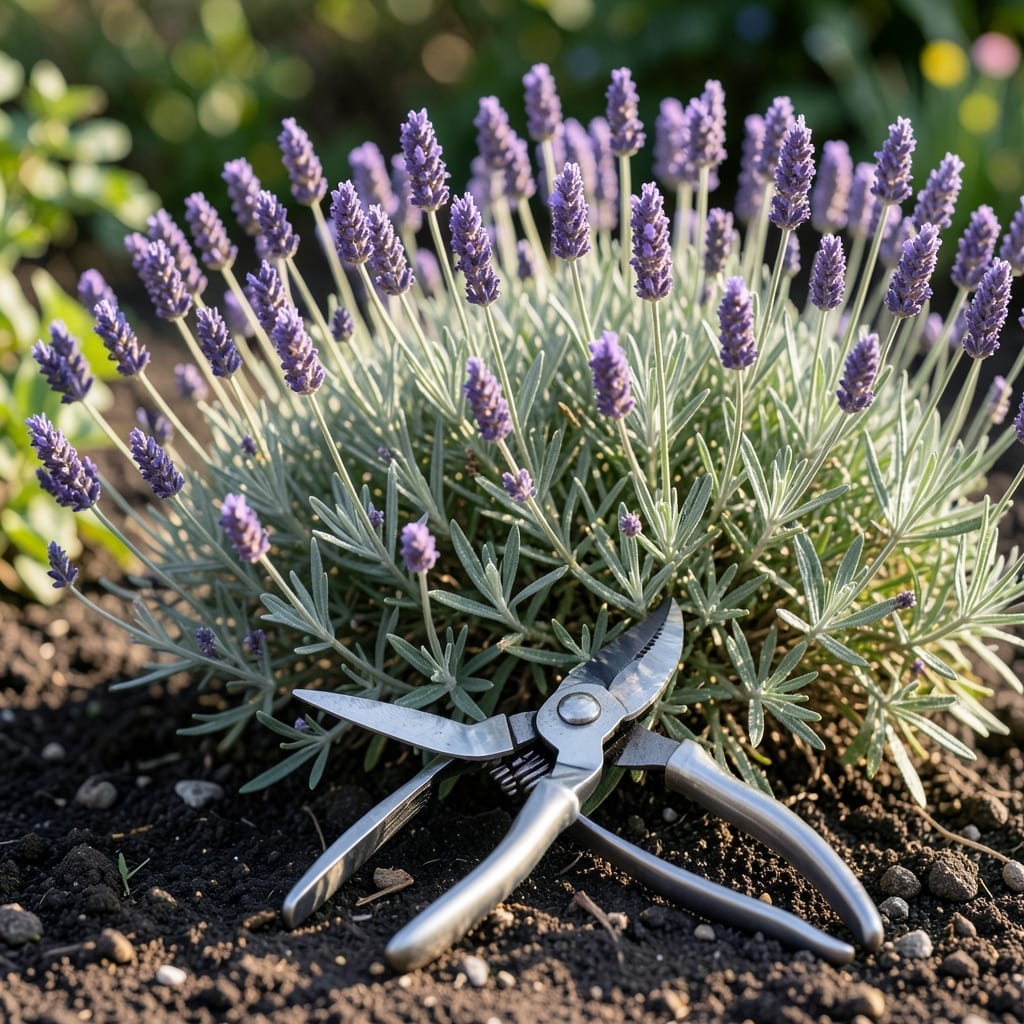
Pruning lavender at the right time is the secret to vibrant blooms and healthy plants year after year. Cut too early or too late, and you risk stunting growth or losing next season’s flowers.
The 🟣 Lavender plant thrives when pruned with precision, and timing is everything. Whether you’re in zones 5-9 or just starting your gardening journey, knowing when to make that first cut makes all the difference.
I’ll walk you through the best seasonal windows and what to watch for. Let’s ensure your lavender stays lush and full of life.
Timing your lavender pruning is critical for ensuring healthy growth and abundant blooms. The best windows are early spring and late summer, just after flowering.
In USDA zones 5-9, I recommend pruning in April or May for spring and August or September post-bloom. This timing helps the plant recover and prepare for the next growth cycle. ✂️
| Season | Timing | Purpose |
|---|---|---|
| Early Spring | April-May | Encourage new growth |
| Late Summer | August-September | Shape plant, promote blooms |
| Avoid Winter | October-March | Prevent cold damage |
Pruning in early spring stimulates fresh growth, while late summer trimming keeps the plant compact and bloom-ready for next year. Avoid cutting in winter or late fall. 🌿
For cold climates, wait until after the last frost to prune. In warmer regions, you can start earlier but avoid extreme heat. Always check for new shoots before cutting.
If your lavender is young, prune lightly in the first year to establish shape. For mature plants, remove about 1/3 of the growth to maintain health and vigor.
Never cut into old wood—this can prevent regrowth. Focus on green stems and avoid woody base sections. This keeps your lavender productive and thriving.
After pruning, water deeply to help recovery. A light fertilizer with low nitrogen can also support regrowth, but lavender generally thrives in poor soil. 🌱
Watch for signs of stress, like wilting or yellowing leaves. If you see these, hold off on pruning until the plant recovers. Healthy lavender bounces back quickly with the right care.
By following this seasonal schedule, you’ll enjoy fuller plants and more vibrant flowers each year. Consistency is key—mark your calendar for these pruning windows!
Pruning lavender correctly ensures strong growth and vibrant blooms. I always start with sharp bypass pruners to make clean cuts without crushing stems.
Begin by removing 1/3 of the current year’s growth, focusing on green stems rather than the woody base. This encourages bushier growth and prevents legginess. ✂️
Always prune in the morning when the plant is hydrated. This reduces stress and helps the lavender recover faster after trimming.
For young plants, limit pruning to light shaping in the first year. This helps establish a strong foundation without shocking the plant.
After pruning, water deeply to help the plant recover. Avoid heavy fertilization, as lavender prefers lean soil for best results. 🌿
Check for pests like aphids or spider mites while pruning. If you spot any, treat with neem oil or insecticidal soap to keep your lavender healthy.
Consistent pruning keeps lavender compact and flowering abundantly. Stick to this routine, and your plants will thank you with beautiful blooms year after year. 🌱