
Beautiful Plants For Your Interior
Beautiful Plants For Your Interior
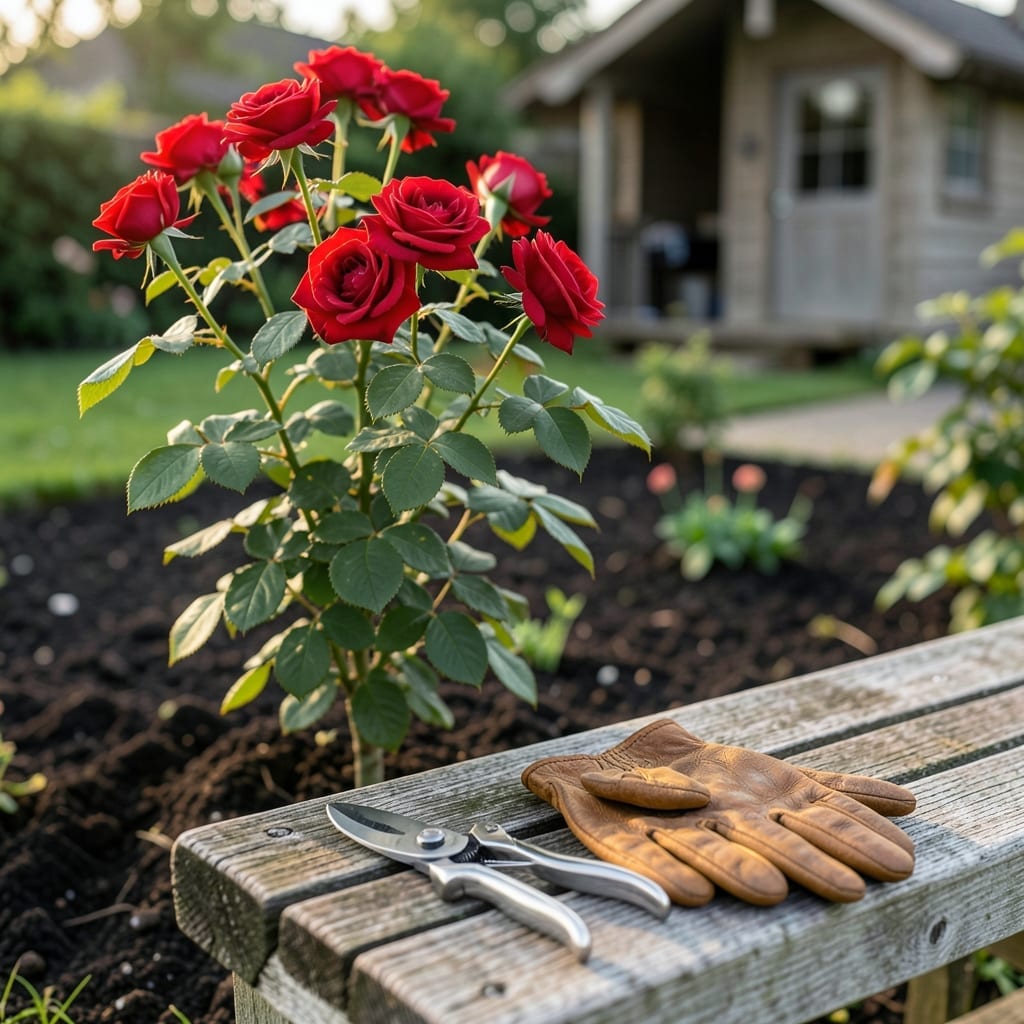
Pruning your 🌹 Rose at the right time can make the difference between a lackluster bush and a garden showstopper. I’ve seen too many well-meaning gardeners accidentally sabotage their blooms by cutting back at the wrong moment.
Timing is everything when it comes to roses in zone 6. Do it too early, and frost might damage new growth. Wait too long, and you’ll miss the window for healthy spring blooms.
Discover the sweet spot for pruning that’ll give your roses the best chance to thrive this season. Let me walk you through what works and why it matters so much.
Timing your rose pruning perfectly can transform your garden. I always aim for late winter or early spring, just as new growth begins to emerge.
This timing works because it allows the plant to focus energy on new canes and flower production rather than repairing old wood. The exact window varies by your climate zone and rose type.☀️
| Rose Type | Best Pruning Time | Key Notes |
|---|---|---|
| Hybrid Tea | Late winter | Before buds swell |
| Floribunda | Early spring | After last frost |
| Climbing | After blooming | Remove old canes |
| Shrub | Late winter | Shape before growth |
For cold climates like zone 6, I recommend waiting until March or April when the worst frost has passed. This protects new growth from sudden cold snaps.
In warmer zones, you can start pruning as early as February. The key is to prune before the first flush of blooms appears.
I’ve found that hybrid tea roses benefit most from a hard prune in late winter, while climbing roses do better with light pruning after their first bloom.🌹
Watch for swollen buds on your rose canes – this is nature’s signal that it’s time to prune. These buds indicate the plant is coming out of dormancy.
Floribunda roses are more forgiving with timing but still perform best when pruned in early spring. I always
Remember that repeat blooming roses need different treatment than once-blooming varieties. The former benefit from multiple light prunings throughout the season.
For old garden roses, I recommend pruning immediately after they finish blooming. This gives them plenty of time to produce new growth for next year’s flowers.🌿
Pruning roses properly ensures healthy growth and abundant blooms. I always start with the right tools: sharp bypass pruners, loppers, and thick gloves for protection.
First, I remove all dead or diseased wood, cutting back to healthy tissue. This prevents the spread of fungal infections and encourages new growth.☀️
When making cuts, I ensure they’re angled away from the bud to prevent water pooling. This small detail makes a big difference in disease prevention.
I focus on opening the center of the bush to improve airflow. This reduces humidity buildup, which can lead to powdery mildew or black spot.
For hybrid tea roses, I aim to leave 3-5 strong canes with 5-7 buds each. This promotes larger blooms and a sturdy structure.🌹
After pruning, I always disinfect my tools with rubbing alcohol. This simple step prevents transferring pathogens between plants.
Finally, I water deeply and apply mulch to conserve moisture. This helps the rose recover and prepares it for the growing season.🌿