
Beautiful Plants For Your Interior
Beautiful Plants For Your Interior
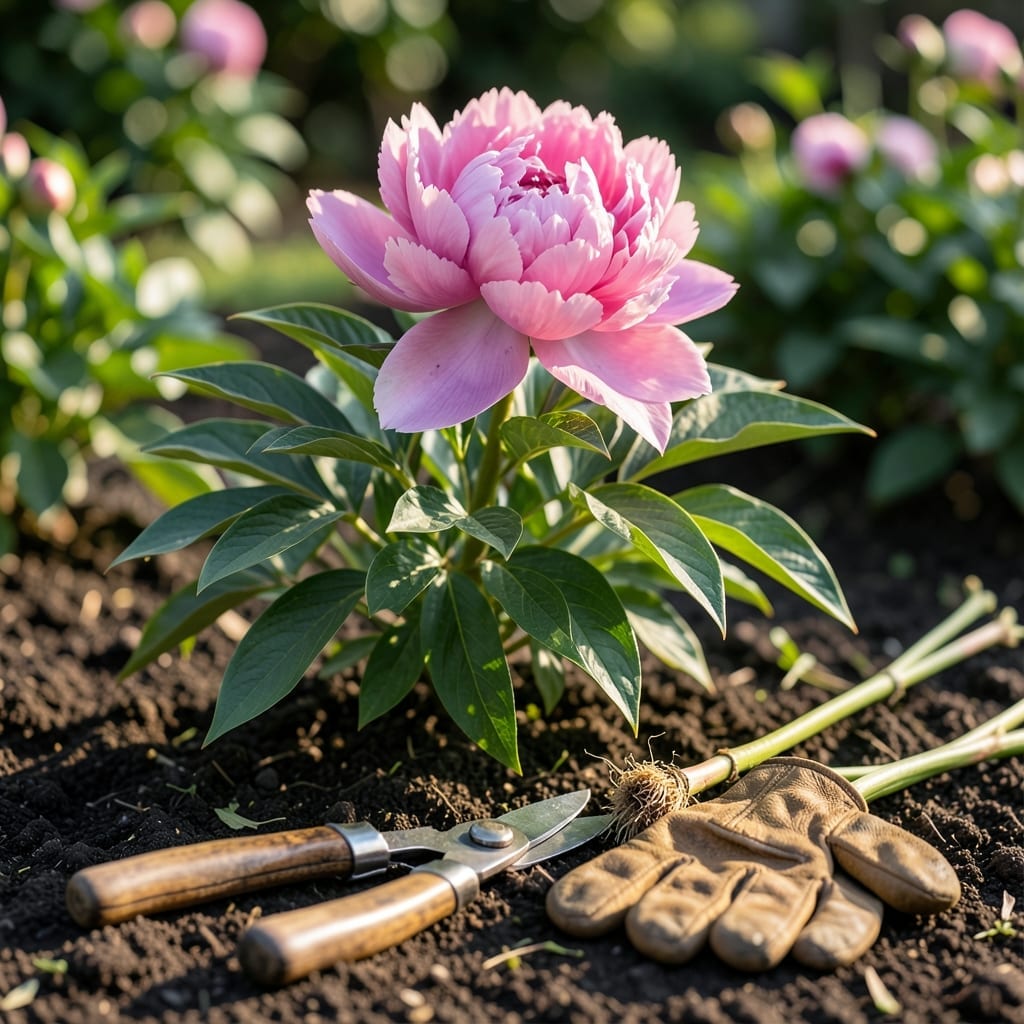
Timing your peony pruning correctly can mean the difference between lackluster blooms and a spectacular display next season. The 🌸 Peony rewards proper care with years of vibrant flowers, but cutting them back at the wrong time can compromise their health.
I’ve learned through experience that fall is the most important season for peony maintenance. Wait until after the first frost when the foliage turns brown – that’s your signal it’s time to act.
Discover how this simple seasonal ritual sets the stage for bigger, more vibrant blooms next spring. Your peonies will thank you with their most stunning display yet.
I always tell gardeners that fall is prime time for peony pruning. These hardy perennials need that annual cutback to prevent disease and encourage vibrant blooms next season. The timing couldn’t be more crucial.
Waiting until after the first hard frost is key. That’s when the foliage turns brown, signaling the plant is entering dormancy. Cutting back too early can weaken the roots and reduce next year’s flowers. ✂️
| Pruning Stage | Timing | Purpose |
|---|---|---|
| Post-Bloom | After flowers fade | Remove spent blooms |
| Fall Cutback | September-October | Prevent disease, prepare for winter |
| Spring Cleanup | Early spring | Remove winter-damaged stems |
In my experience, late September through October works perfectly for most USDA zones 3-8. The plant has stored enough energy in its roots, and the cooler temperatures reduce stress. This timing also helps prevent fungal diseases that thrive in warm, wet conditions.
Watch for these visual cues: brown or black leaves, stems collapsing, and no green growth. These signs confirm your peonies are ready. I’ve found that herbaceous peonies and tree peonies have slightly different needs.
For herbaceous peonies, cut all stems down to 2-3 inches above soil level. This removes potential disease harbors while protecting the crown buds where next year’s growth emerges. It’s a simple step that makes a huge difference. 🌿
With tree peonies, the approach differs. These woody stems should only have their flowering stems removed after blooming. The main structure stays intact year-round. I learned this the hard way after accidentally pruning a tree peony like its herbaceous cousin!
Remember that spring pruning is only for damage control. If you missed the fall window, lightly trim any winter-damaged stems in early spring before new growth appears. This prevents the plant from wasting energy on dead wood.
Proper timing also affects next season’s bloom size. Peonies that are cut back too early often produce smaller, fewer flowers. I’ve seen this firsthand in gardens where enthusiastic pruners got ahead of themselves in late summer.
The energy transfer from foliage to roots is complete by fall. That’s why waiting for the natural dieback ensures your peonies have stored maximum energy. This stored energy fuels the spectacular blooms we all love. 🌷
Pruning peonies properly ensures healthy growth and abundant blooms next season. I always start by gathering the right tools: sharp bypass pruners and clean gloves to prevent disease spread. Sanitize your tools with rubbing alcohol before and after use.
Begin by removing all spent flower stems after blooming, cutting just above a healthy leaf node. This encourages the plant to focus energy on root development rather than seed production. ✂️
For herbaceous peonies, I cut all stems down to 2-3 inches from the ground in late fall. This height protects the crown buds while removing potential disease sites. Never leave tall stems, as they can harbor fungal spores over winter.
Tree peonies require a different approach. Only remove dead or weak wood in early spring. Their woody stems should remain intact year-round. I made the mistake of cutting mine back like herbaceous peonies once – it took years to recover!
After pruning, I always dispose of foliage in the trash, never in compost. Peony foliage can carry botrytis blight and other diseases that survive composting. This simple step prevents next year’s infections. 🌱
Finally, apply a 2-3 inch layer of organic mulch around the base after pruning. This protects the root zone from freeze-thaw cycles. I use shredded bark or straw, keeping it 6 inches away from the crown to prevent rot.