
Beautiful Plants For Your Interior
Beautiful Plants For Your Interior
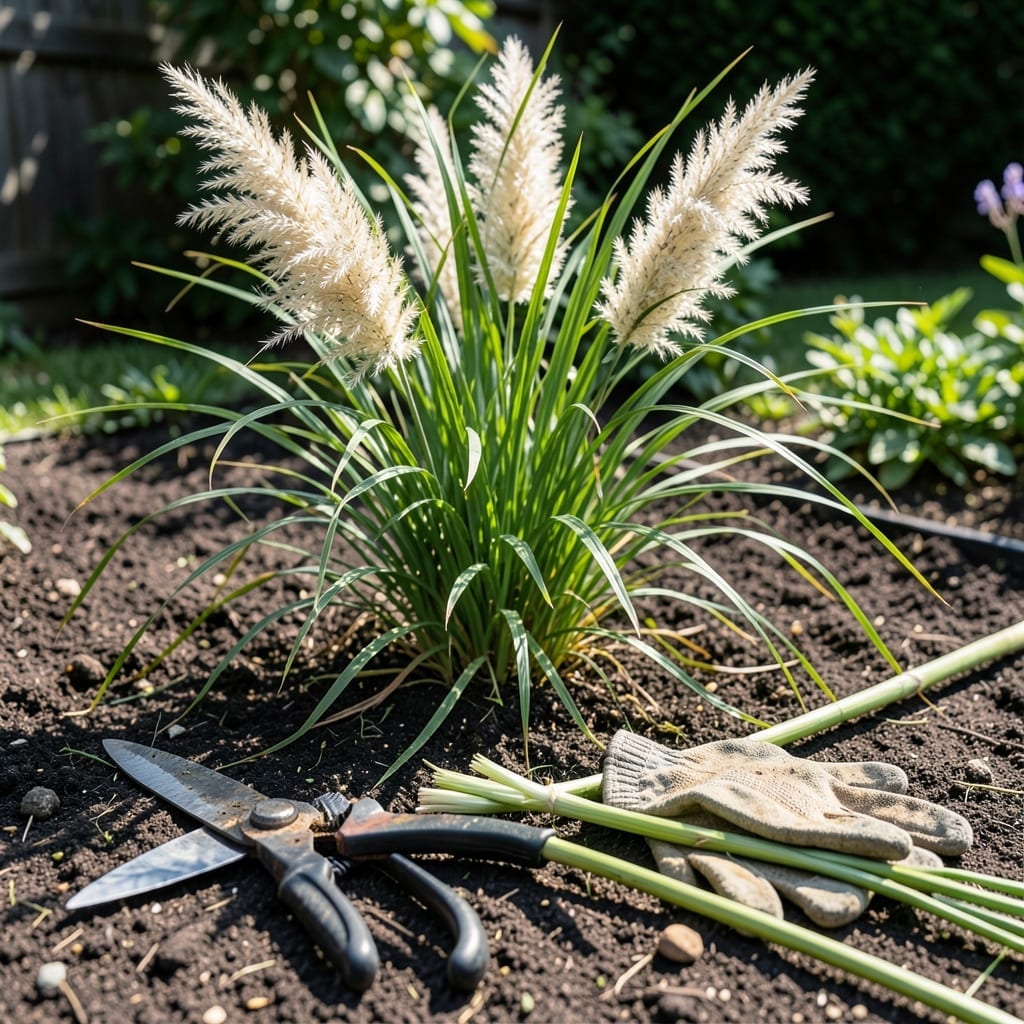
I used to stare at my overgrown 🌾 Pampas Grass, unsure when to grab the shears. Timing is everything with this dramatic plant – cut too soon or too late, and you’ll miss out on its lush plumes.
After years of trial and error, I learned that late winter is the sweet spot. It’s when the plant is dormant but ready to burst into new growth come spring.
Let me share the exact timing and techniques I use to keep my Pampas Grass thriving year after year. You’ll discover how simple it can be.
Timing your pampas grass pruning right is key to vibrant plumes. I’ve found that late winter to early spring is the ideal window, just before new growth starts.
In USDA zones 7-11, this typically means February to March. The plant is still dormant, but warm days trigger fresh shoots. Cutting now ensures energy goes to new fronds, not dead ones
| Stage | Action |
|---|---|
| Late Winter | Cut back old foliage |
| Early Spring | Prune before new growth |
| Zone 7-11 | February to March |
If you’re in a colder climate, wait until the last frost date passes. Pruning too early in freezing temps can damage emerging shoots and set back growth for the season.
Look for brown, tattered leaves as your signal. This means the plant is ready. I also check for new green shoots at the base—if they’re 2-3 inches tall, it’s time to act
Cutting in late fall or winter removes the natural insulation of old foliage. This leaves the crown vulnerable to frost damage, which I’ve seen firsthand in my garden.
For mature pampas grass, timing also affects plume production. Pruning in late winter gives the plant a full growing season to produce its iconic feathery flowers by summer.
If you miss the window and new growth has already started, don’t panic. You can still prune, but be gentle. Cut just above the new green shoots to avoid damaging them
In warmer zones like 10-11, you might start pruning as early as January. The key is to watch the plant, not just the calendar. When old growth looks ragged, it’s ready.
Remember, pampas grass is tough but not invincible. Proper timing ensures it channels all its energy into lush, healthy growth for the season ahead. ✂️
Pruning pampas grass doesn’t have to be intimidating. I start by gathering the right tools: sharp loppers or hedge shears, thick gardening gloves, and long sleeves to protect against the razor-sharp leaves.
First, I tie the foliage together with rope or bungee cords. This makes handling easier and prevents the sharp blades from whipping around. It’s a simple step that saves me from countless scratches every time.
When cutting, I aim to leave 12-18 inches of stem above ground. This protects the crown while allowing room for new growth. Any shorter, and you risk damaging the plant’s base.
After cutting, I always remove the old foliage from around the base. This prevents pests from hiding and improves air circulation. A quick rake does the trick, but I wear gloves for safety.
Finally, I inspect the plant for any signs of pests or disease. Pampas grass is hardy, but early detection of issues like scale insects or fungal growth can save you headaches later.
With these steps, my pampas grass bounces back stronger every year. The key is taking your time and being methodical. Safety and precision make all the difference. ✂️