
Beautiful Plants For Your Interior
Beautiful Plants For Your Interior
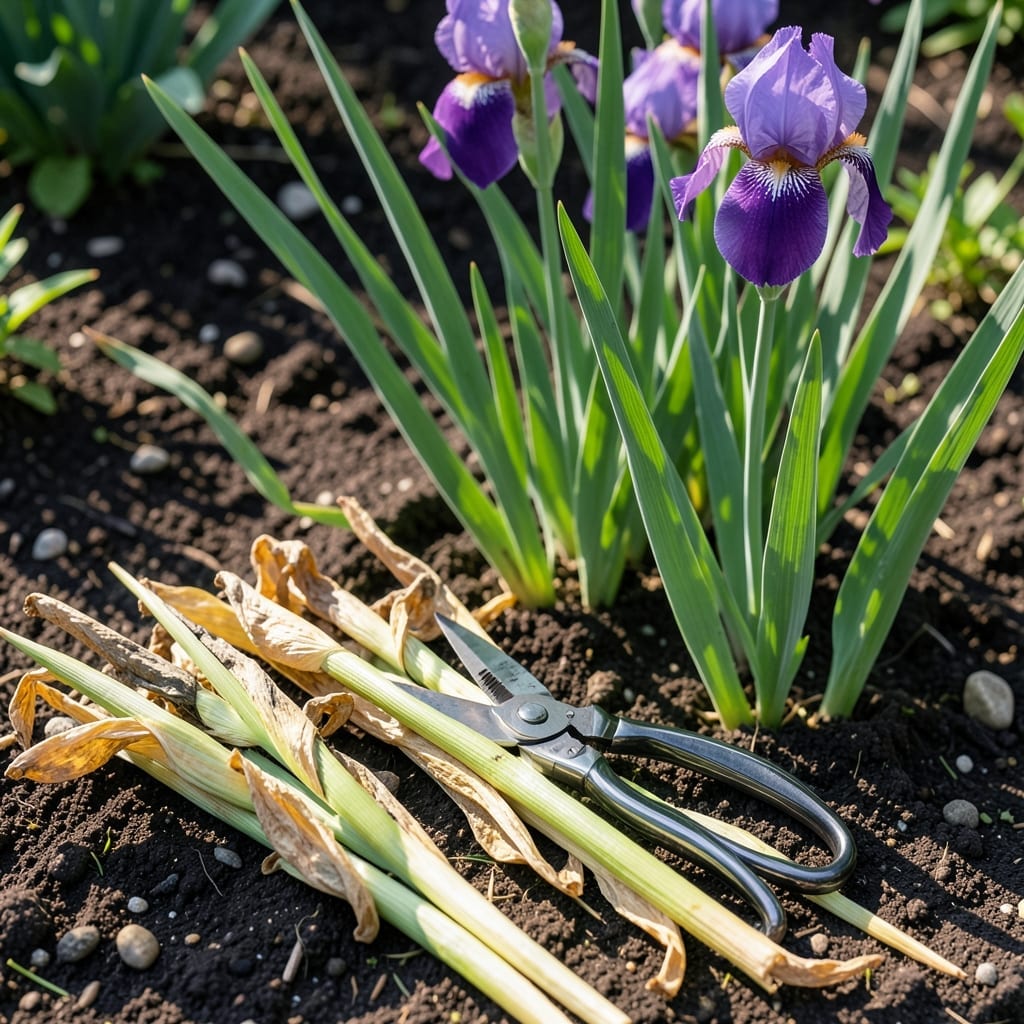
I used to wonder why my 🌸 Iris patch looked so lackluster year after year. Then I learned the simple secret: timing is everything when it comes to pruning.
Cutting them down too soon or too late can stifle next year’s blooms. The right moment comes after the growing season, when the plant starts preparing for winter.
Discover how this one simple step can transform your garden’s health and beauty. Let me show you exactly when and how to do it right.
The best time to cut down irises is in late summer or early fall, about 6-8 weeks after blooming. This timing allows the plant to store energy for next year’s growth.
I always wait until the foliage turns yellow or brown, which signals the plant is entering dormancy. Cutting too early can reduce next year’s blooms significantly.
| Stage | Action | Timing |
|---|---|---|
| Post-Bloom | Remove spent flowers | Immediately after blooming |
| Foliage Yellowing | Cut back leaves | 6-8 weeks after blooming |
| Late Fall | Remove dead foliage | Before first frost |
In USDA zones 3-9, where most irises thrive, this typically falls between September and October. The exact timing depends on your local climate and when your irises finished blooming.
For bearded irises, I recommend cutting the flower stalks down to the base right after blooming, but leave the leaves intact until they yellow. This helps the plant photosynthesize and store energy.
Siberian and Japanese irises follow a similar schedule, though they may bloom slightly later. Always observe your plants – when the leaves start to flop over, it’s nature’s signal that it’s time.
Cutting at the right time also helps prevent disease. Removing old foliage eliminates hiding spots for iris borers and other pests that can overwinter in the debris.
I’ve found that irises cut back at the proper time come back stronger and healthier the next season, with more vibrant blooms and better disease resistance. It’s one of those small tasks that makes a big difference in your garden’s appearance.
By following this timing, you’re not just maintaining your irises – you’re investing in their future health and beauty. Your garden will thank you with spectacular displays for years to come. ✂️
Pruning irises properly ensures they thrive next season. I always start by removing spent flower stalks right after blooming, but leave healthy green leaves to nourish the rhizomes.
When the leaves begin to yellow and flop, typically 6-8 weeks post-bloom, it’s time for the main cutback. This timing helps the plant store energy for next year’s growth cycle.
I use sharp bypass pruners for clean cuts that won’t crush the stems.
For bearded irises, I cut the leaves into a fan shape about 6 inches tall. This protects the rhizomes from winter damage while allowing airflow.
Siberian irises can be cut back harder since they don’t have exposed rhizomes. I trim these to 4-6 inches from the ground after the foliage dies back completely.
After pruning, I always clean up all debris to remove hiding spots for pests. This simple step makes a huge difference in preventing next year’s problems. ✂️