
Beautiful Plants For Your Interior
Beautiful Plants For Your Interior
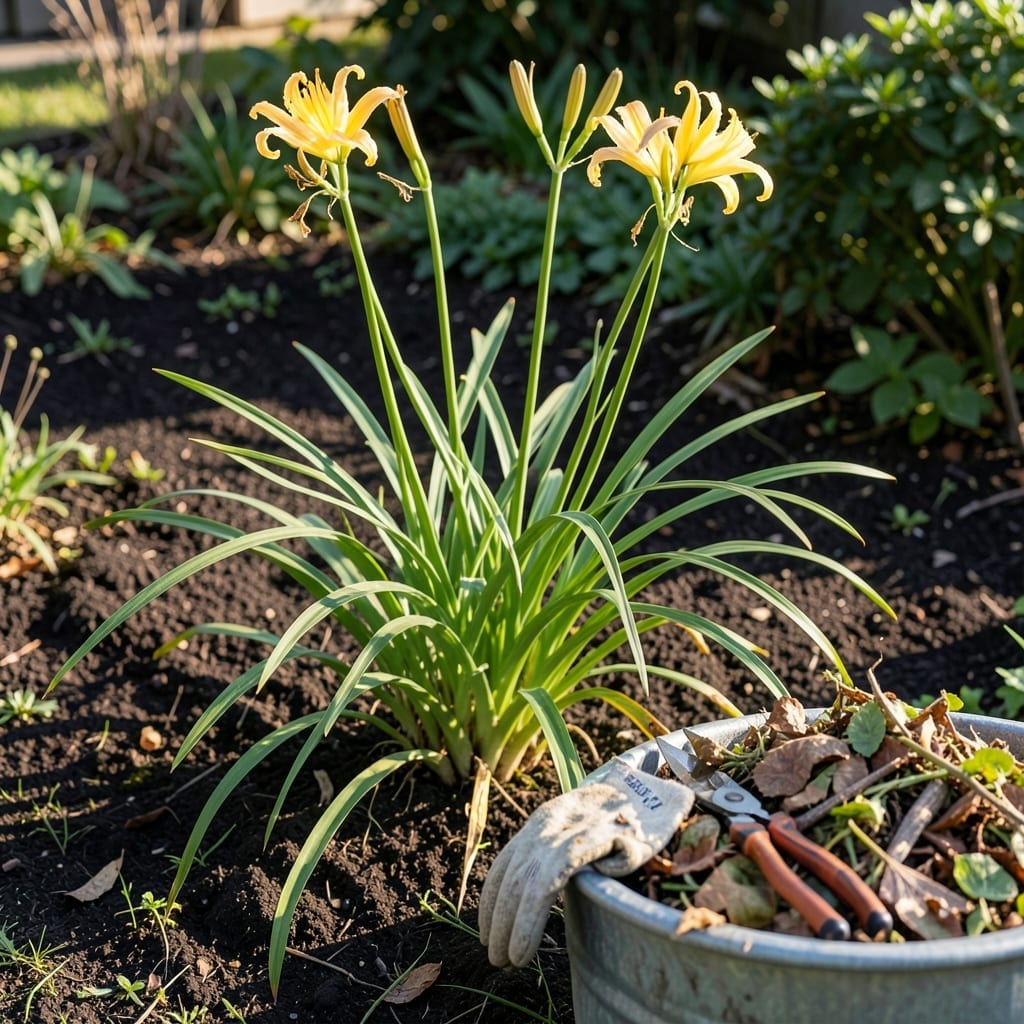
Knowing exactly when to cut down your 🌺 Daylily can transform your garden from ordinary to extraordinary. This simple timing decision makes all the difference in next year’s blooms.
I’ve learned through experience that proper pruning isn’t just about aesthetics – it’s about plant health. Getting the timing right prevents disease and encourages healthier growth.
Whether you’re in zone 5-9 or just starting out, understanding the seasonal cues is the key. Your daylilies will thank you with more vibrant flowers.
Discover the optimal window that works for your climate and garden. The results will speak for themselves next spring.
Timing your daylily pruning right is key to vibrant blooms next season. I always wait until late fall or early spring to trim back these hardy perennials. This timing helps protect the plant during winter while encouraging strong regrowth. ✂️
In colder climates, I cut them down after the first frost when foliage turns brown. This prevents disease and keeps my garden tidy. For milder regions, early spring works just as well before new growth appears. 🌱
| Season | Action | Purpose |
|---|---|---|
| Late Fall | Cut back foliage | Prevent disease, tidy garden |
| Early Spring | Trim dead growth | Encourage new blooms |
| After Frost | Remove brown stems | Protect plant health |
I’ve found that fall pruning works best in USDA zones 5-7. The plants enter dormancy, and cutting back 4-6 inches from the ground helps them conserve energy. This method also reduces pest problems in my garden. 🌿
For warmer zones like 8-9, I delay cutting until early spring. The old foliage provides natural protection during mild winters. When I see new green shoots emerging, that’s my signal to prune.
The ideal cutting height is about 3-4 inches above soil level. I use sharp pruners to make clean cuts, which helps prevent disease. Always remove the debris to keep your garden beds clean and healthy.
If you’re unsure, watch for visual cues. When the foliage turns brown or becomes mushy after frost, it’s time. In spring, cut back before new growth reaches 6 inches tall for best results.
I avoid cutting daylilies in summer unless the foliage is diseased. Pruning during active growth can reduce next year’s blooms. The plant needs its leaves to photosynthesize and store energy. ☀️
Another tip: divide clumps every 3-4 years during your pruning session. This rejuvenates the plants and gives you more daylilies to spread around your garden or share with friends.
Remember, consistency in timing is more important than perfection. Whether you choose fall or spring, sticking to one method yearly helps your daylilies establish a healthy growth rhythm. 🌺
I always recommend pruning daylilies at the right time to keep them healthy and blooming. The best time is late fall after the first frost or in early spring before new growth starts. This timing helps prevent disease and encourages strong regrowth.
For the cleanest cuts, I use sharp bypass pruners and trim the foliage down to 4-6 inches above the ground. This height protects the crown while removing dead or damaged leaves that could harbor pests over winter.
After pruning, I always clean up thoroughly. Removing all the cut foliage prevents pests and diseases from overwintering in your garden. This step is crucial for maintaining the health of your daylilies year after year.
In colder climates, I add a 2-3 inch layer of mulch around the base after fall pruning. This protects the roots from freeze-thaw cycles and provides insulation during harsh winters.
For spring pruning, I
Remember, dull tools can damage your plants and make the job harder. I sharpen my pruners before each use to ensure clean cuts that heal quickly, reducing the risk of infection. ✂️