
Beautiful Plants For Your Interior
Beautiful Plants For Your Interior
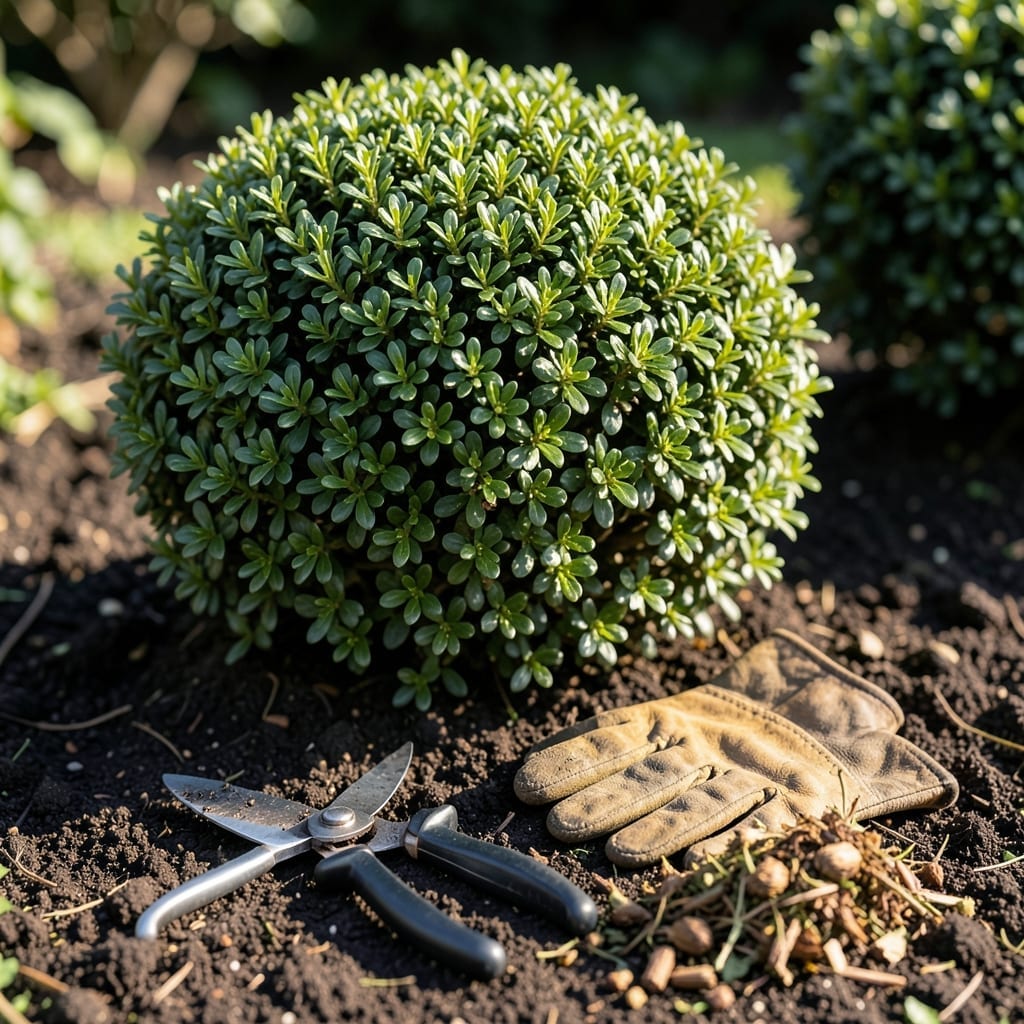
Timing your boxwood pruning can make or break your shrubs’ health and appearance. I’ve seen too many well-intentioned gardeners accidentally stunt their 🌿 Boxwood by trimming at the wrong time.
Getting this right means lush growth and a shape that lasts all season. The good news? It’s simpler than you might think once you know the ideal windows.
Let me show you exactly when to reach for those shears and why timing matters so much for your Boxwood’s well-being.
Timing is everything when it comes to pruning boxwood shrubs. I’ve learned that cutting at the wrong time can stress the plant and leave it vulnerable to disease or winter damage. The key is to work with the plant’s natural growth cycles.
The absolute best windows are late winter to early spring and late summer. These periods allow the shrub to recover quickly while minimizing stress. In my garden, I aim for just before new growth starts in spring or after the summer heat subsides.
| Season | Timing | Purpose |
|---|---|---|
| Late Winter | February-March | Shape before spring growth |
| Early Spring | April | Remove winter damage |
| Late Summer | August-September | Maintain shape, prep for winter |
I always avoid pruning during hot summer months or late fall. Summer cuts can scorch new growth, while fall pruning may encourage tender shoots that won’t harden off before frost. This can lead to winter dieback that ruins your shrub’s appearance.
In USDA zones 5-9, where boxwoods thrive, the timing adjusts slightly. In warmer zones like 8-9, I start pruning a bit earlier in late winter. Cooler zones like 5-6 might need to wait until early spring to avoid cold damage to fresh cuts.
The late winter prune is my favorite because it sets the stage for the entire growing season. I remove any dead or diseased branches first, then shape the shrub before new growth emerges. This gives the plant time to heal and put energy into fresh, healthy growth.
For late summer pruning, I focus on light shaping and removing any wayward branches. This helps maintain the shrub’s form without stimulating too much new growth that might not harden off in time for winter.
If you miss these windows, don’t panic. A light trim outside these periods won’t harm established boxwoods, but avoid heavy pruning. I’ve found that minor touch-ups can be done almost anytime except during extreme heat or right before frost.
Remember, the goal is to work with your boxwood’s natural rhythm. When you time it right, you’ll be rewarded with dense, healthy growth and a shrub that maintains its shape beautifully all year long.
I also pay attention to the weather forecast. If a hard frost is expected soon after pruning, I’ll delay until temperatures stabilize. This extra caution has saved my boxwoods from unnecessary stress more times than I can count.
✂️Pruning boxwood shrubs properly makes all the difference in their health and appearance. I always start with the right tools: sharp bypass pruners for clean cuts and hedge shears for shaping larger areas.
Before making any cuts, I inspect the shrub for dead or diseased branches. These should be removed first to prevent the spread of issues. Then, I focus on the outer growth, trimming back to just above a leaf node to encourage dense new growth.
I always prune on a dry day to minimize disease risk. Wet foliage can spread fungal spores, so I wait for clear weather. Also, I
For formal hedges, I use a string line as a guide to maintain straight edges. This helps achieve that crisp, manicured look that boxwoods are famous for. For more natural shapes, I step back frequently to assess the overall form.
After pruning, I give my boxwoods a deep watering to help them recover. This is especially important during hot weather. I also apply a light fertilizer to encourage new growth, but I avoid heavy feeding right after pruning.
Remember, never remove more than 1/3 of the shrub’s volume in a single pruning session. Over-pruning can stress the plant and lead to sparse growth. If my boxwoods need major reshaping, I spread the work over two seasons.
✂️