
Beautiful Plants For Your Interior
Beautiful Plants For Your Interior
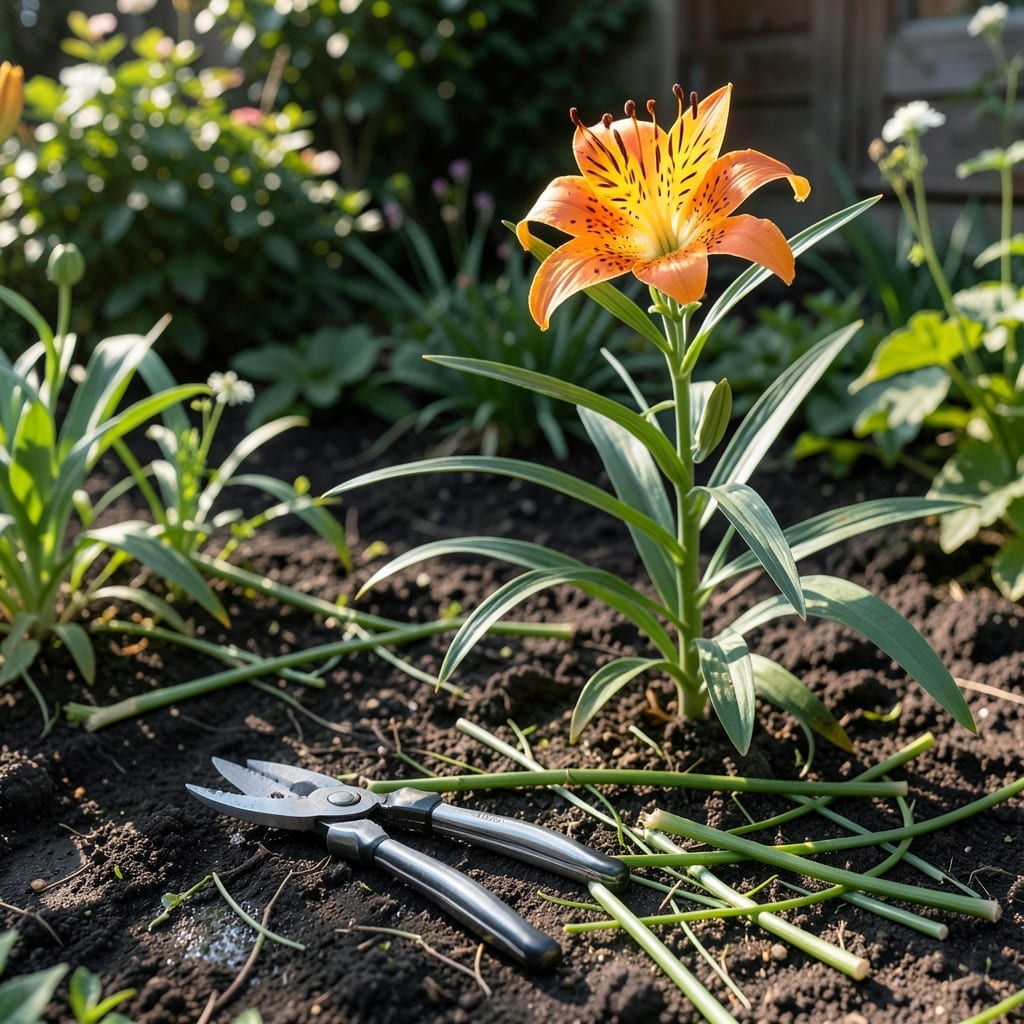
That moment when your 🌸 Tiger Lily stems turn brown and ragged leaves you wondering: is it time to grab the shears? Proper timing is everything when it comes to pruning these beauties.
Cut too early, and you risk weakening next year’s blooms. Wait too long, and you might invite disease or pests. I’ll show you the sweet spot that keeps your garden thriving.
Let’s uncover when to make that first cut and how to do it right for healthier, happier Tiger Lilies.
Timing is everything when pruning Tiger Lilies. The best moment comes after the blooming season ends but before the first frost. This window allows the plant to store energy for next year’s growth.
Late summer to early fall is ideal, as the foliage begins to yellow and die back. Cutting back too early can rob the bulbs of nutrients they need for next season’s flowers.
| Stage | Action |
|---|---|
| Post-Bloom | Remove spent flowers |
| Early Fall | Cut back yellowed stems |
| Late Fall | Trim all foliage to ground |
I always wait until the foliage turns brown before cutting back. This signals that the plant has finished photosynthesizing and storing energy in its bulbs for next year’s blooms.
If you prune while stems are still green, you risk weakening the plant and reducing the number of flowers next season. Patience here truly pays off in your garden’s long-term health.
Late fall is your final opportunity before winter sets in. At this point, all foliage should be completely brown and easy to remove. This helps prevent pest and disease issues over winter.
In colder climates like USDA Zone 6, I finish pruning by early November. This gives the plant time to settle before the ground freezes, protecting it from harsh winter conditions.
Some gardeners prefer to leave the dried stems over winter for added protection. If you choose this method, remove them in early spring before new growth emerges.
Remember, clean tools are crucial. I always disinfect my shears with rubbing alcohol between cuts to prevent spreading diseases between plants.
Proper timing and technique ensure your Tiger Lilies return stronger and more vibrant each year, rewarding your patience with stunning blooms. ✂️
Pruning Tiger Lilies is straightforward when you follow the right steps. I always start by removing spent flower heads immediately after blooming to prevent seed formation, which can drain the plant’s energy.
Next, wait until the foliage yellows in early fall before cutting back stems. This ensures the bulbs have absorbed all possible nutrients for next year’s growth.
I recommend using bypass pruners rather than anvil pruners, as they make cleaner cuts that heal faster. Always wipe your tools with rubbing alcohol between plants to avoid spreading diseases.
When cutting back, leave about 2-3 inches of stem above the ground. This helps mark the plant’s location and provides some protection against winter elements.
Never cut back green stems—this removes the plant’s ability to photosynthesize and store energy. Wait until they’re completely brown and brittle to the touch.
After pruning, I always clear away debris from around the base. This reduces hiding spots for pests and minimizes disease risk during the dormant season.
✂️