
Beautiful Plants For Your Interior
Beautiful Plants For Your Interior
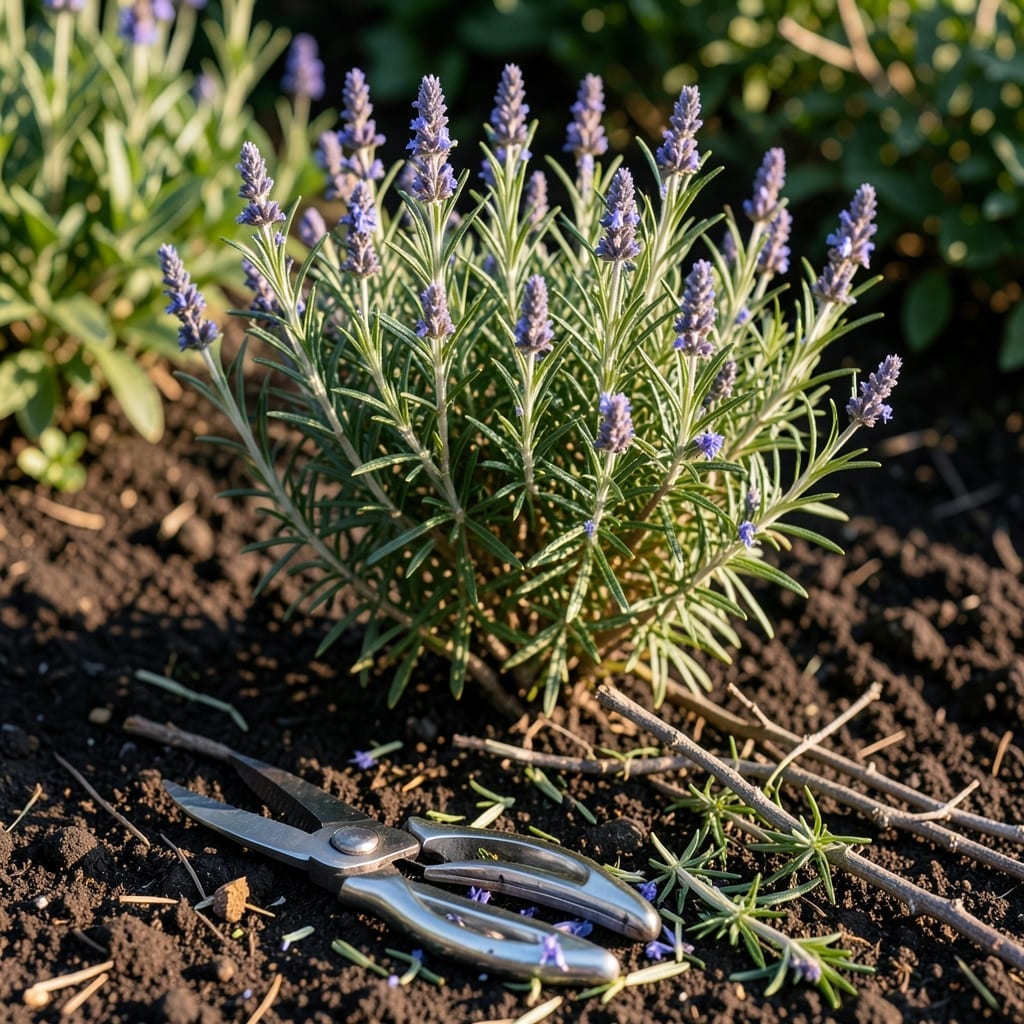
That first frost warning has me rushing to my garden with one question: am I too late to help my 🌿 Salvia survive winter? Timing this pruning right can mean the difference between a sad, straggly plant and a vibrant comeback next spring.
Cutting back too early or too late leaves these perennials vulnerable. I’ve learned the hard way that waiting for that first light frost in zone 6 gives Salvia the protection it needs without sacrificing next year’s growth.
Discover the simple timing trick that keeps your Salvia healthy through winter and ready to thrive when warmer weather returns. Your future self will thank you.
Timing your Salvia pruning right is crucial for winter survival. I wait until after the first light frost in my zone 6 garden, which usually hits around mid-October. This signals the plant to start dormancy while protecting new growth.
The ideal window is when temperatures consistently drop to 40°F at night. Pruning too early can stimulate tender growth that frost will kill, while waiting too long risks cold damage to the stems.
| Zone | Pruning Timeframe | Trigger Event |
|---|---|---|
| Zones 4-5 | Late September | First light frost |
| Zone 6 | Mid-October | First hard frost |
| Zones 7-8 | Late October | First frost warning |
In warmer zones like 7-8, you can wait until late October. The key is watching the weather forecast rather than the calendar. I check for that first frost advisory and plan my pruning the next dry day.
For cold climates in zones 4-5, aim for late September. The plants need more time to harden off before harsh winter sets in. I’ve found this timing gives them the best protection against freeze damage.
Always prune on a dry day to prevent disease. Wet stems can harbor fungi that might spread during winter dormancy. I keep my pruning shears clean and sharp for the healthiest cuts.
After pruning, I leave 6-8 inches of stem above ground. This protects the crown from winter moisture while still allowing for good air circulation. The remaining stems also help mark the plant’s location.
The cutting height is important – too short and you risk cold damage to the crown, too tall and the stems might flop over under snow load. I find the sweet spot is just above a set of healthy leaves.
For container-grown Salvias, I follow the same timing but move them to a sheltered location after pruning. This gives them extra protection against winter winds and temperature fluctuations.
Remember, these timing guidelines are for herbaceous Salvias. Woody varieties like Russian Sage can wait until early spring for pruning. Always check your specific variety’s needs.
By following these zone-specific timing tips, you’ll give your Salvias the best chance to survive winter and return with vibrant new growth next season ✂️
I always aim to leave 6-8 inches of stem when pruning my Salvias for winter. This height protects the crown from cold while allowing air circulation to prevent rot.
Using sharp bypass pruners is key for clean cuts that heal quickly. I make each cut just above a leaf node to encourage healthy regrowth in spring.
For taller varieties, I might leave up to 12 inches in colder zones. The extra height provides more protection against snow accumulation and wind.
I avoid cutting into woody stems as this can invite disease. Focus on the soft green growth from the current season for best results.
After pruning, I mulch lightly around the base with straw or leaves. This adds extra insulation without smothering the plant.
By following these simple techniques, you’ll help your Salvias survive winter and return stronger next year with abundant blooms ✂️