
Beautiful Plants For Your Interior
Beautiful Plants For Your Interior
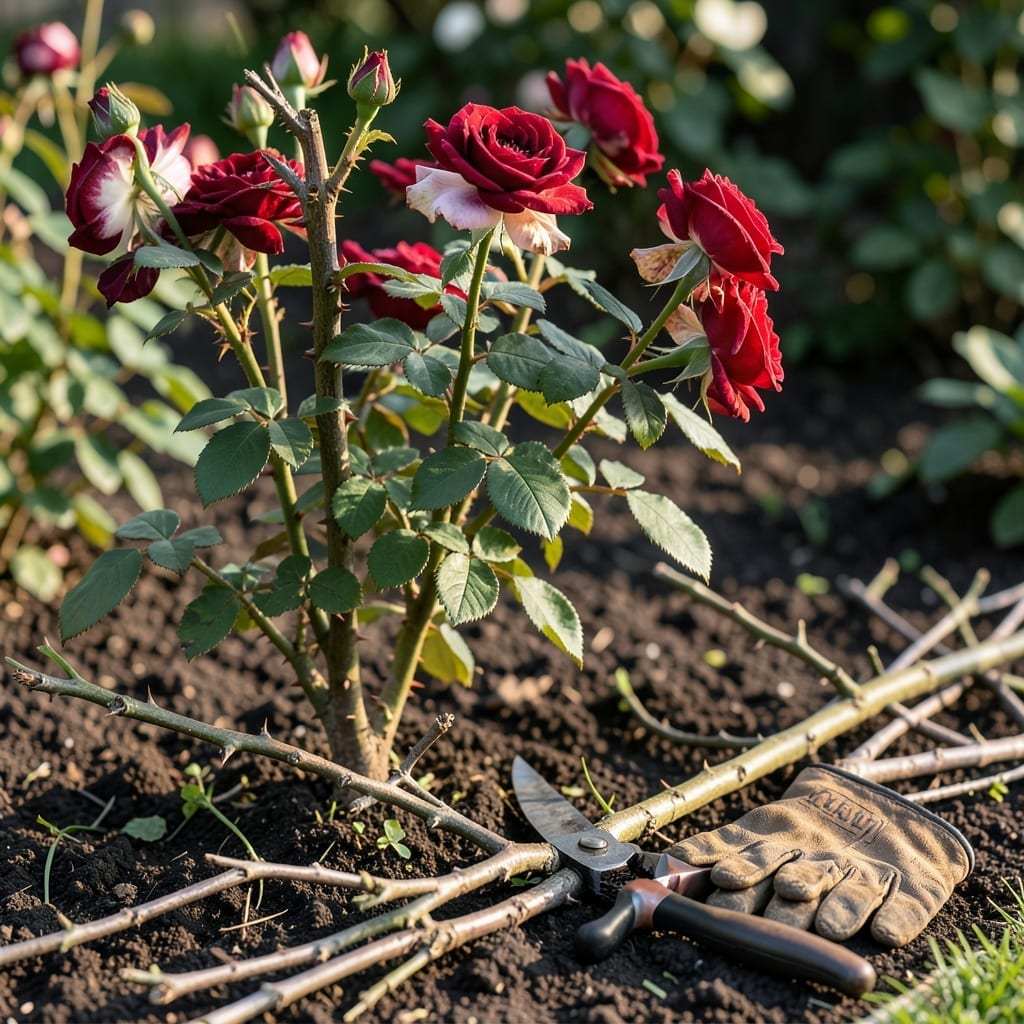
Tired of lackluster blooms from your 🌹 Rose bushes? Pruning at the wrong time could be the culprit. I learned this the hard way after years of hit-or-miss results.
Timing is everything when it comes to cutting back roses. Do it right, and you’ll be rewarded with healthier plants and more vibrant flowers.
Discover the ideal seasonal windows and techniques to transform your garden. Let’s get those roses thriving like never before.
Timing your rose pruning can make or break your garden’s blooming season. I’ve found that late winter is ideal for major cuts, just as new growth begins to emerge. This timing helps prevent cold damage to fresh cuts.
For most climates, March or early April works best. This window gives roses time to recover before spring blooms arrive. But timing shifts slightly depending on your USDA zone.
| Season | Pruning Type | Purpose |
|---|---|---|
| Late Winter | Major pruning | Shape plant, remove dead wood |
| Summer | Deadheading | Encourage more blooms |
| Fall | Light trimming | Prevent winter damage |
In warmer climates like USDA zones 9-11, you can prune as early as January or February. Cooler zones should wait until March or even April to avoid frost damage to new growth.
Summer pruning focuses on deadheading—removing spent blooms to encourage more flowers. I do this throughout the growing season to keep my roses productive and tidy.
Fall pruning should be minimal. A light trim helps prevent winter wind damage, but avoid heavy cuts. Severe pruning in fall can stimulate new growth that won’t survive the cold.
For climbing roses, timing differs slightly. Prune these after their first bloom cycle, usually in late spring or early summer. This ensures you don’t cut off next year’s flowers.
Hybrid teas and floribundas benefit from a more aggressive late winter prune. I cut these back by about one-third to promote vigorous growth and larger blooms.
Old garden roses often bloom on old wood, so prune them right after they flower. This preserves the flowering wood for next year while keeping the plant healthy.
Always use sharp pruners and clean them between cuts to prevent disease. I keep a disinfectant spray handy for this exact reason. Healthy tools mean healthy roses.
Remember, the exact timing can vary based on your local climate and rose variety. When in doubt, watch for bud swell on the canes—this is nature’s signal that it’s time to prune ✂️
Each rose variety has unique pruning needs. I’ve learned that hybrid teas and floribundas need the most attention, as they bloom repeatedly on new wood. Start by removing any dead or diseased canes first.
For hybrid teas, cut back to 18-24 inches from the ground. Leave 3-5 healthy canes with 5-7 buds each. This encourages strong new growth and larger blooms. I always make my cuts at a 45-degree angle just above an outward-facing bud.
🌹 Pruning Tips by Rose Type
Floribundas are similar but slightly more forgiving. Reduce their height by about one-third and thin out the center to improve airflow. This helps prevent fungal diseases and keeps the plant vibrant.
Climbing roses need a different approach. Prune these after their first major bloom, usually in late spring or early summer. Remove any dead wood and trim back lateral branches to about 2-3 buds. I always save a few old canes to ensure continuous blooms.
For shrub roses, focus on shaping rather than severe cutting. Remove about one-quarter of the oldest growth each year. This rejuvenates the plant without sacrificing too many blooms. I find this keeps my shrubs full and healthy.
Old garden roses often bloom on old wood, so timing is critical. Prune these immediately after they finish flowering. Only remove dead or weak wood and shape lightly. This preserves the flowering wood for next season.
Always use clean, sharp tools to make precise cuts. I keep my pruners sharp and wipe them with rubbing alcohol between plants to prevent spreading diseases ✂️