
Beautiful Plants For Your Interior
Beautiful Plants For Your Interior
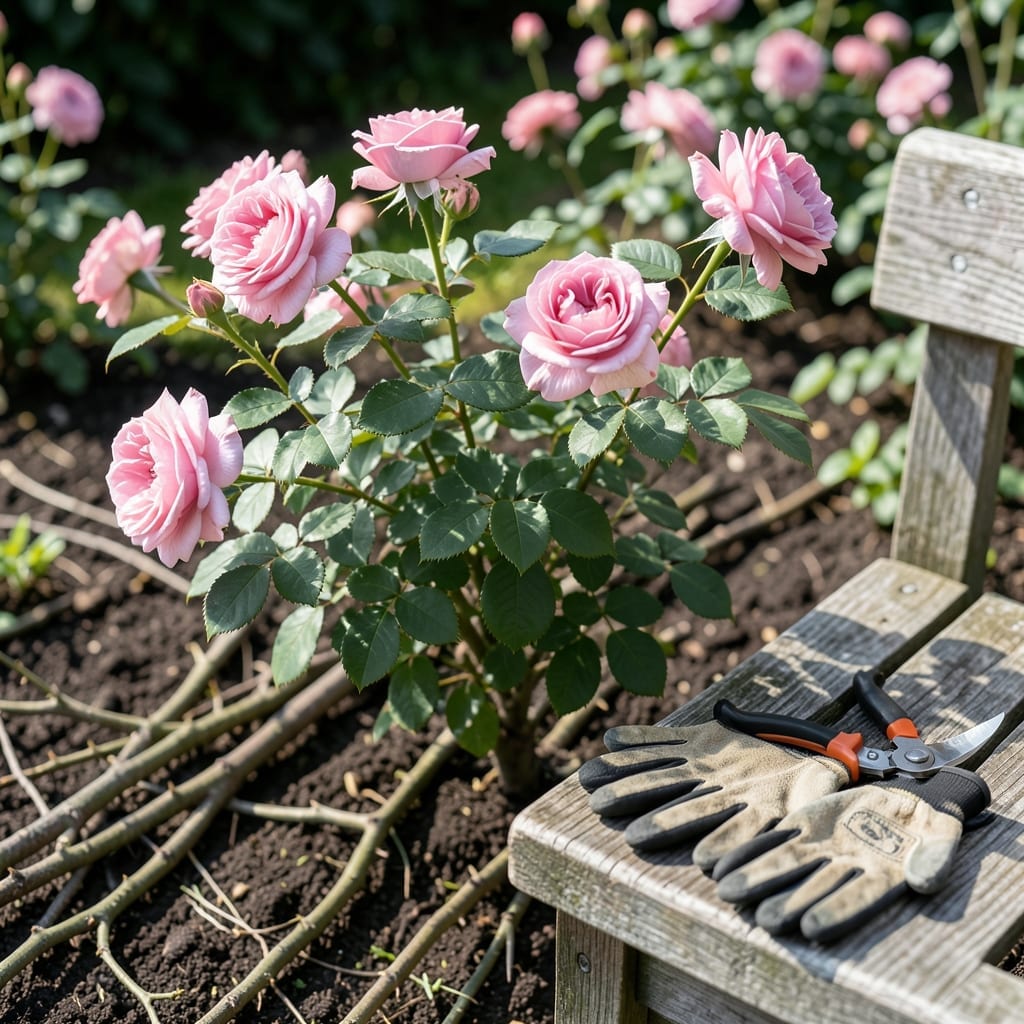
Timing is everything when it comes to giving your 🌹 Rose Bush the care it deserves. Cut too early or too late, and you might miss out on those breathtaking blooms we all love.
I’ve learned through trial and error that pruning at the right moment can make all the difference. Whether you’re a seasoned gardener or just starting out, knowing when to act is the key to healthy, thriving plants.
Discover how to align your pruning schedule with nature’s rhythm. Let’s make sure your roses flourish like never before.
Timing your pruning right can make or break your 🌹 rose bushes. For most climates, late winter or early spring is ideal, just as the last frost passes. This gives your roses a head start before new growth begins.
I always check my local USDA zone to fine-tune the timing. In zone 6, I aim for March or April, but warmer zones may start earlier. Cold climates need extra caution to avoid frost damage.
| Rose Type | Best Pruning Time | Key Notes |
|---|---|---|
| Hybrid Tea | Late Winter | Cut back by 1/3 before buds swell |
| Floribunda | Early Spring | Shape lightly, remove dead wood |
| Climbing | After Blooming | Thin old canes, train new growth |
| Shrub | Late Winter | Rejuvenate every 3-4 years |
Regional adjustments matter too. In warmer areas like zone 9, I prune in January or February. Cooler zones should wait until all frost danger has passed.
For repeat-blooming roses, I prune right after the first flush of flowers. This encourages a second wave of blooms. Always remove dead or diseased wood first, no matter the season.
Climbing roses are the exception. I prune these right after they bloom, usually in summer. This prevents cutting off next year’s flower buds, which form on old wood.
If you’re unsure, watch for swelling buds. That’s nature’s signal that it’s time to prune. I also avoid pruning in fall—new growth won’t harden off before winter.
For old garden roses, like heirloom varieties, I prune lightly after blooming. These often bloom on old wood, so heavy pruning can cost you flowers.
Remember, the goal is to shape the plant, remove dead growth, and open the center for air circulation. This reduces disease risk and promotes vigorous blooms.
I always keep my pruning tools sharp and clean. A good pair of bypass pruners and loppers makes the job easier and safer for the plant.
With the right timing and technique, your roses will reward you with bigger, healthier blooms all season long ✂️
Pruning isn’t one-size-fits-all for rose bushes. Each variety has its own needs, and I’ve found that following specific steps ensures the best results for every type in my garden.
For hybrid tea roses, I cut back by about 1/3 in late winter, removing any dead or crossing canes. This encourages strong new growth and larger blooms.
With floribunda roses, I focus on shaping the plant rather than heavy cutting. These bloom in clusters, so I remove about 1/4 of the oldest canes each year to keep them vigorous.
Climbing roses need special attention. I prune these right after their first bloom, removing old, woody canes and training the new ones horizontally. This promotes more blooms along the length of the cane.
For shrub roses, I take a more relaxed approach. These are hardy and forgiving, so I simply remove about 1/4 of the oldest growth each year. This keeps them looking neat while encouraging fresh growth.
I always use sharp bypass pruners and make clean cuts at a 45-degree angle, just above an outward-facing bud. This helps prevent disease and encourages growth in the right direction.
Don’t forget to clean your tools between plants with rubbing alcohol. This simple step prevents the spread of diseases like black spot or powdery mildew ✂️