
Beautiful Plants For Your Interior
Beautiful Plants For Your Interior
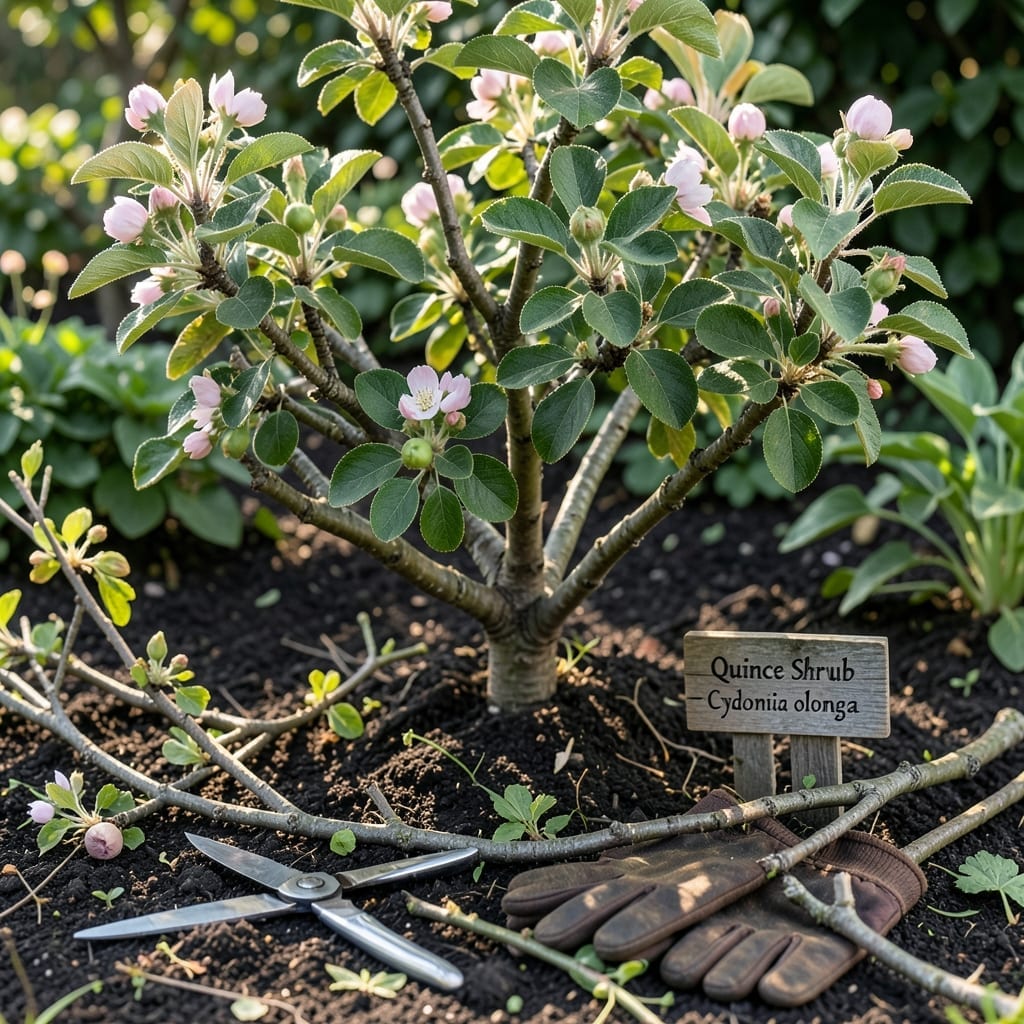
Pruning your 🍐 Quince at the right time can make all the difference between a lackluster shrub and one bursting with blooms. I’ve seen firsthand how a simple trim at the wrong moment can set back growth for an entire season.
Timing is everything when it comes to cutting back Quince. Do it too early, and you risk frost damage. Wait too long, and you might miss the window for healthy regrowth.
In zones 5-9, the sweet spot is just before new growth starts. This ensures your Quince gets the best chance to thrive with vibrant flowers and strong branches.
Discover the exact timing and techniques to keep your Quince looking its best year after year. Let’s get started.
Timing is everything when it comes to pruning quince bushes or trees. I’ve found that the ideal window is in late winter to early spring, just before new growth begins. This timing helps the plant heal quickly and promotes strong blooms and fruit production later in the season.
Pruning too early in winter can leave the plant vulnerable to cold damage, while pruning too late may remove flower buds. I always aim for March or early April, depending on your USDA zone. In warmer regions, you might start in February.
| Pruning Stage | Best Timeframe | Purpose |
|---|---|---|
| Light Pruning | Late Winter | Remove dead wood |
| Main Pruning | Early Spring | Shape and encourage growth |
| Post-Flowering | After Blooms Fade | Maintain shape, remove suckers |
If you’re in USDA zones 5-7, stick to March for pruning. In warmer zones 8-9, you can start in late February. This ensures your quince avoids frost damage while still benefiting from the growing season ahead.
I always check for swelling buds as a sign that it’s time to prune. If the buds are starting to plump up but haven’t opened yet, that’s your cue. This timing maximizes energy redirection to new growth and flower production.
For flowering quince (Chaenomeles), prune right after it blooms. This species flowers on old wood, so pruning immediately after blooming ensures you don’t cut off next year’s flower buds. I’ve seen many gardeners make this mistake and wonder why their plant didn’t bloom!
Avoid pruning in late summer or fall. This can stimulate new growth that won’t have time to harden off before winter, making the plant more susceptible to cold injury. I learned this the hard way after losing a few branches to an early frost.
If your quince is young or newly planted, hold off on heavy pruning for the first year. Focus on removing only dead or diseased wood to allow the plant to establish a strong root system. Light shaping is fine, but avoid cutting back more than 20% of the plant.
For mature quince, I recommend removing about 1/3 of the oldest stems each year to encourage new, productive growth. This keeps the plant vigorous and ensures a steady supply of flowering wood for future seasons.
Remember, the goal is to create an open center that allows for good air circulation and sunlight penetration. This not only improves the plant’s health but also enhances fruit quality and reduces the risk of disease.
With the right timing and technique, your quince will reward you with abundant blooms and healthy fruit for years to come ✂️
For healthy quince growth, timing your pruning is key. I always aim for late winter to early spring, just before new growth begins. This window allows the plant to heal quickly and channel energy into vibrant blooms.
In USDA zones 5-9, March and April are ideal. Pruning during this period ensures you avoid frost damage while encouraging strong, productive branches for the season ahead.
| Stage | Action |
| Late Winter | Remove dead or diseased wood |
| Early Spring | Shape the shrub before buds swell |
| After Flowering | Light pruning to maintain shape |
Pruning too late in spring can remove flower buds, reducing your quince’s bloom potential. I learned this the hard way one year when my shrub barely flowered after a late trim.
If you live in a region with harsh winters, wait until the worst frost has passed. This protects tender new growth from cold snaps that could stunt development.
For fruit production, prune right after flowering. This gives the plant time to develop strong branches that can support a bountiful harvest later in the season.
Remember, sharp tools make clean cuts that heal faster. I always sanitize my pruners between cuts to prevent disease spread, especially when working with multiple plants in my garden.
With the right timing and care, your quince will reward you with lush foliage, vibrant blooms, and delicious fruit year after year ✂️