
Beautiful Plants For Your Interior
Beautiful Plants For Your Interior
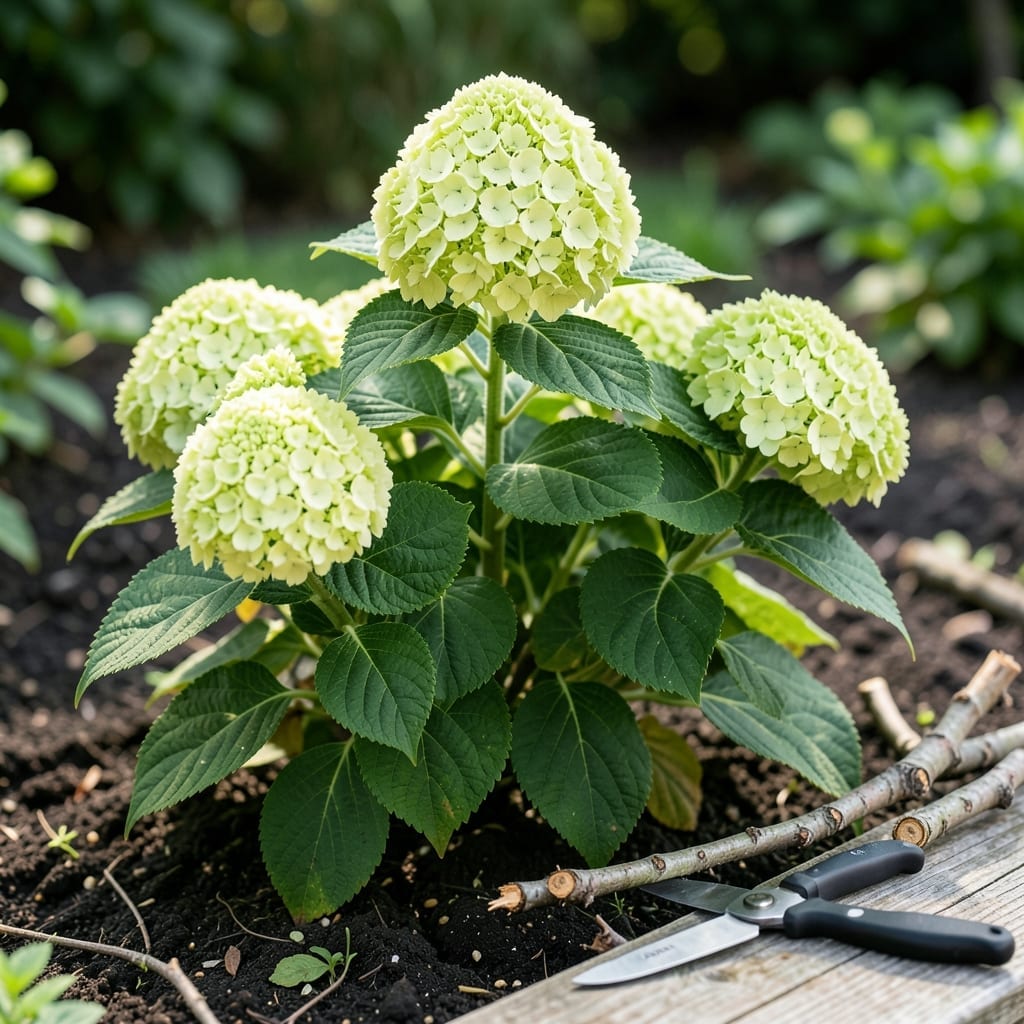
Pruning your 🌸 Limelight Hydrangea at the right time can make or break your summer blooms. Timing it wrong might leave you staring at bare branches when you expected vibrant lime-green flowers.
I learned the hard way that these beauties bloom on new wood, so pruning too late in the season can cost you a year of spectacular displays. The key is knowing exactly when to make those cuts.
Let me share the perfect window for pruning that ensures your Limelight Hydrangea thrives and produces its most stunning blooms yet. You won’t want to miss this.
Timing your pruning correctly is everything with Limelight hydrangeas. Unlike some hydrangeas that bloom on old wood, these beauties produce their stunning lime-green flowers on new growth. That means you have more flexibility, but there’s still a sweet spot.
The ideal window for pruning is in late winter to early spring, just before new growth begins. This timing ensures you’re not cutting off potential blooms while giving the plant plenty of time to recover and flourish.
| Stage | Best Time | Notes |
|---|---|---|
| Pruning | Late Winter/Early Spring | Before new growth starts |
| Blooming | Summer to Fall | On new wood |
| Avoid Pruning | Fall/Winter | Risk of cutting off new buds |
For gardeners in colder climates (USDA zones 3-5), aim for March as your pruning month. This gives your Limelight hydrangea time to bounce back before the growing season kicks in. In warmer zones (6-9), you can start as early as February.
I always check for swollen buds on the branches. If you see them, it’s a sign that new growth is about to start, and you should finish pruning before those buds open. This simple check can save you from accidentally removing future blooms.
Remember, Limelight hydrangeas are more forgiving than other varieties, but pruning at the wrong time can still reduce your flower display. If you miss the early spring window, you can do a light trim in early summer, but avoid heavy pruning then.
The reason this timing works so well is that it aligns with the plant’s natural growth cycle. Pruning in late winter stimulates new growth, which is exactly where your Limelight hydrangea will produce its flowers.
If you’re unsure about the timing, observe your plant. When you start seeing new leaves emerging, that’s your cue that the pruning window has passed. It’s better to prune a little early than too late with these hydrangeas.
For those in regions with mild winters, you might get away with pruning in January. But in areas with harsh winters, waiting until March ensures your plant isn’t exposed to frost damage after pruning.
This timing also gives you a chance to shape your plant before the growing season. I like to remove any dead or weak branches first, then focus on shaping the shrub to my desired size and form.
By following this schedule, you’ll maximize both the health of your plant and the abundance of blooms come summer. ✂️
Pruning Limelight hydrangeas properly is as important as timing it right. I always start by gathering my tools: sharp bypass pruners, loppers for thicker branches, and gloves to protect my hands from rough bark.
The 1/3 rule is my golden standard. I remove no more than one-third of the plant’s total growth, focusing first on any dead or diseased wood. This keeps the shrub healthy while encouraging vigorous new growth where blooms will form.
When making cuts, I always look for healthy bud pairs facing outward. Cutting just above these at a 45-degree angle encourages new growth in the right direction and helps prevent water from pooling on the cut surface.
It’s crucial to distinguish between old wood and new wood. Since Limelights bloom on new growth, you can safely prune most of last year’s stems. I focus on removing the oldest, woodiest branches to make room for fresh growth.
After pruning, I give my hydrangea a deep watering and apply a 2-3 inch layer of mulch around the base. This helps retain moisture and protects the roots as the plant recovers from the stress of pruning.
I also take this opportunity to clean my tools with rubbing alcohol between plants. This simple step prevents the spread of diseases and keeps my pruners sharp for the next job. ✂️