
Beautiful Plants For Your Interior
Beautiful Plants For Your Interior
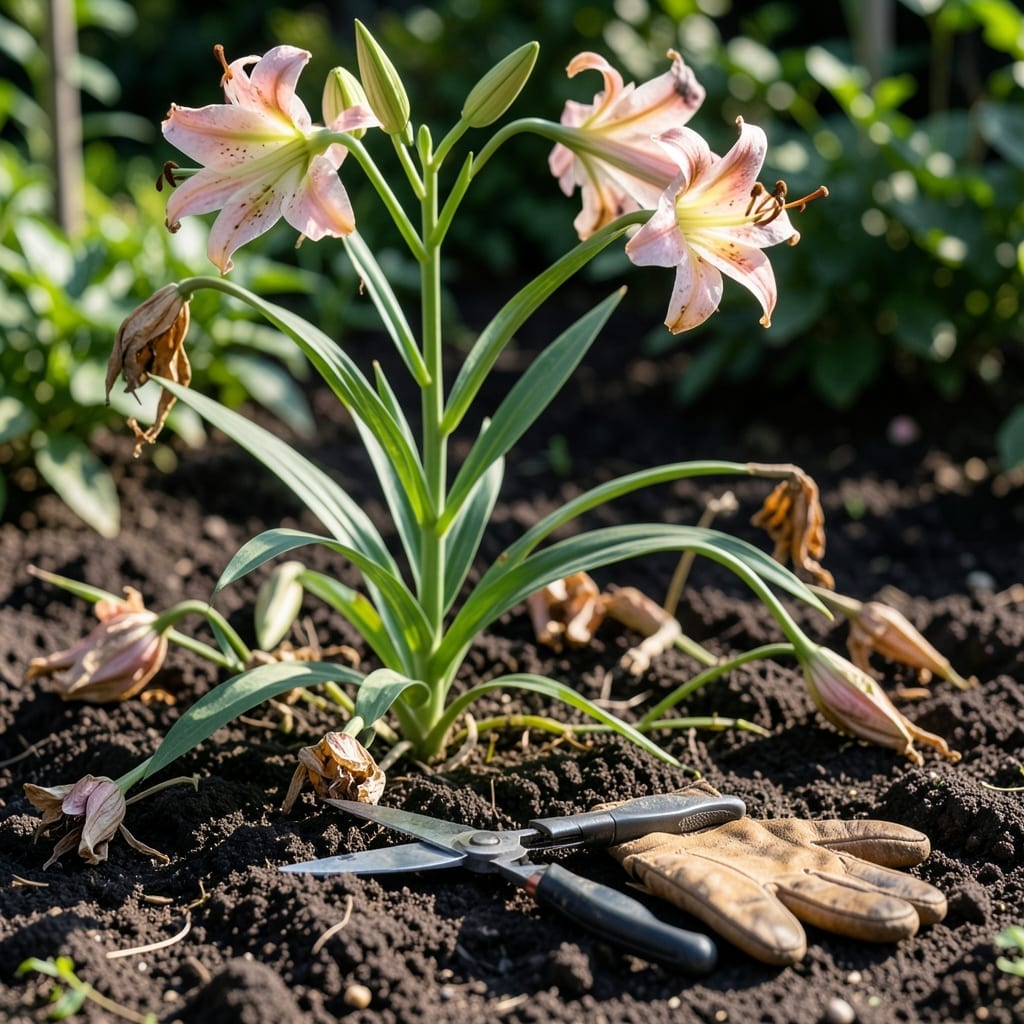
Knowing when to cut back 🌷 Lilies can make or break next year’s blooms. Timing this right ensures these perennials store energy properly for a vibrant comeback.
I’ve seen gardens struggle because of poor timing – either too early or too late. The right moment comes when foliage signals it’s ready, not when we assume it should be.
Discover the simple signs to watch for and the best seasonal window to keep your Lilies thriving year after year.
Timing your lily pruning correctly is crucial for next year’s blooms. I’ve learned that cutting back too early can rob the bulb of stored energy it needs for winter survival.
Watch for yellowing foliage and brown stems as nature’s signal that it’s time. This usually happens in late fall or after the first frost in colder zones.
| Lily Type | Best Pruning Time | Key Sign |
|---|---|---|
| Asiatic Lilies | Late fall | Foliage dies back |
| Oriental Lilies | After first frost | Stems turn brown |
| Daylilies | Early winter | All leaves brown |
| Tiger Lilies | Late fall | No green remains |
In warmer climates (Zones 7-9), you may need to wait until early winter when the foliage finally dies back naturally. The plant knows best when it’s done photosynthesizing.
For cold climates (Zones 3-5), the first hard frost often triggers the perfect pruning window. Don’t rush it—patience pays with healthier bulbs.
I always check for three key signs before grabbing my pruners: completely yellow leaves, dry stems, and no new growth. These indicate the plant has finished storing energy.
Remember that daylilies can be pruned a bit earlier than true lilies. Their grass-like foliage often browns by late October in most regions.
Oriental lilies are the last to be ready, often holding their greenery until November in many areas. Their thick stems take longer to fully die back.
If you’re in a mild winter area, you might see some green persist. In this case, wait until the coldest part of winter has passed before cutting back.
This approach ensures your lilies get every possible advantage for next year’s spectacular show. ✂️
Pruning lilies properly ensures stronger bulbs and better blooms next season. I always start by gathering the right tools: sharp bypass pruners and gardening gloves for protection.
First, wait until the foliage turns yellow or brown—this means the plant has finished storing energy. Never cut back while stems are still green and firm, as this can weaken the bulb.
I recommend cutting at a 45-degree angle to prevent water from pooling on the stems. This small detail helps avoid rot and keeps the bulb healthy through dormancy.
After pruning, I always clean my tools with rubbing alcohol to prevent spreading any potential diseases to other plants. This is especially important if you’re working with multiple lily varieties.
For daylilies, you can be a bit more aggressive—cut them back to ground level once the foliage has completely died back. They’re tougher and bounce back quickly.
Finally, mark the location with a garden stake if needed. This helps you avoid accidentally disturbing the bulbs during winter garden maintenance. ✂️