
Beautiful Plants For Your Interior
Beautiful Plants For Your Interior
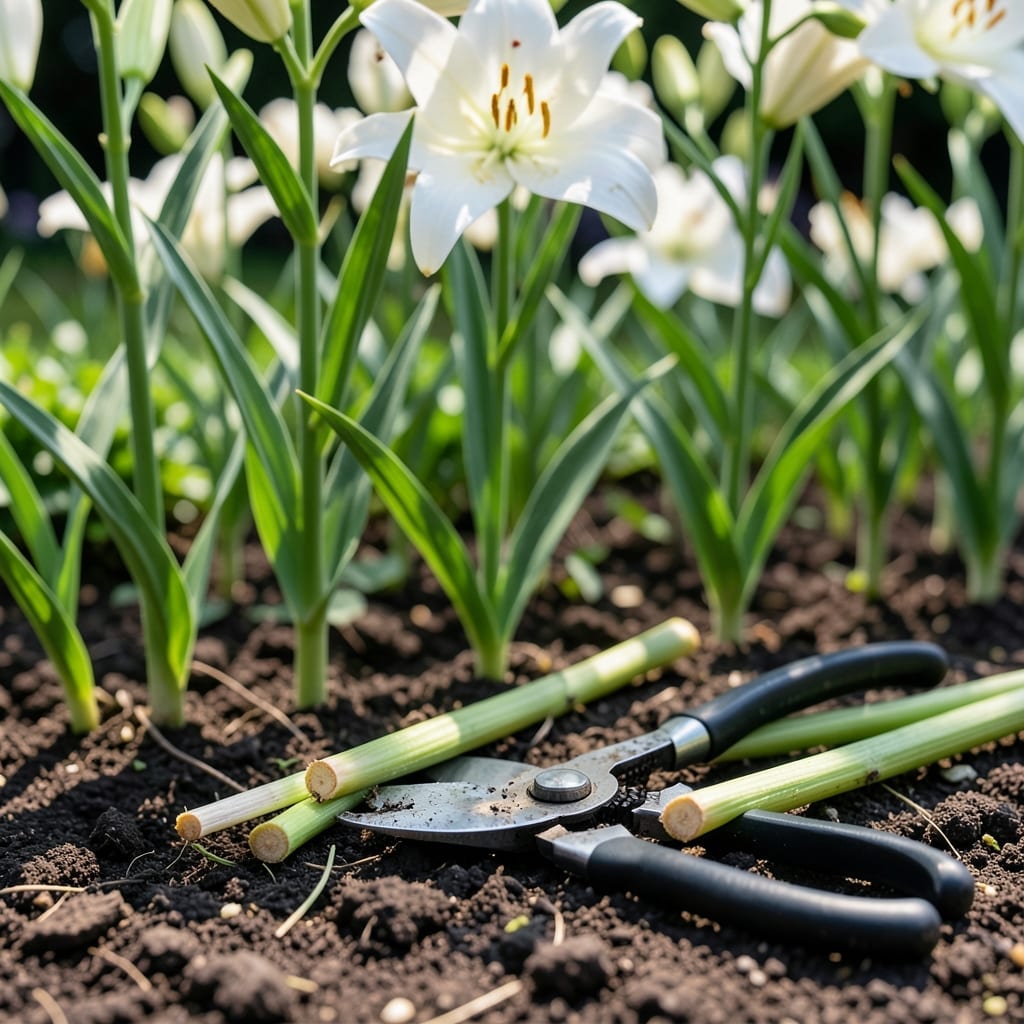
I used to stare at my wilting 🌷 Lilies in autumn, unsure if I should grab the shears or wait. That hesitation cost me blooms the next year—something I don’t want you to experience.
Timing is everything when it comes to cutting back these beauties. Do it too soon, and you rob the bulb of vital energy. Wait too long, and you risk disease taking hold in dying foliage.
Discover the sweet spot that keeps your Lilies healthy and ready to explode with color when spring returns. Let’s get this right together.
I learned the hard way that timing is everything with lilies. Cutting them back too early can starve the bulb of energy it needs for next year’s blooms. The best time is after flowering but before the foliage dies back completely.
For most lily varieties, this means waiting until late summer or early fall. You’ll know it’s time when the flowers fade and the leaves start to yellow and brown. This is when the plant has finished photosynthesizing and storing energy in the bulb.
| Lily Type | Optimal Cutting Time | Key Signs |
| Asiatic Lilies | Late summer | Foliage yellows |
| Oriental Lilies | Early fall | Stems brown |
| Trumpet Lilies | After blooming | Seed pods dry |
Don’t rush the process. Even after the flowers are gone, the leaves continue to produce food for the bulb. I’ve seen gardeners cut back lilies immediately after blooming, only to have fewer flowers the next year.
In warmer climates, you might cut back lilies in September. In cooler zones, wait until October or when the first frost threatens. The plant itself will give you clear signals when it’s ready.
Watch for completely yellowed or browned foliage. This indicates the plant has stopped photosynthesizing and is ready for pruning. If you see green leaves, hold off—those are still feeding the bulb.
The stem should be dry and brittle to the touch. If it’s still firm and green, the lily isn’t ready. I check my plants weekly in late summer to catch the perfect moment.
For potted lilies, the same rules apply, but you might need to cut back a bit earlier if you’re overwintering indoors. This prevents pests from hitching a ride inside with the dying foliage.
Remember, the goal is to remove dead or dying material while preserving as much healthy stem as possible. This balance ensures the bulb gets all the nutrients it needs for a spectacular show next season.
By following these guidelines, I’ve transformed my lily beds from sparse to vibrant and full. The key is patience and observing your plants rather than the calendar.
✂️Pruning lilies correctly is just as important as timing it right. I always start by removing spent flowers first, which prevents seed formation and directs energy back to the bulb. This step alone can boost next year’s blooms significantly.
For the actual cutting, I use sharp bypass pruners to make clean cuts at a 45-degree angle. This helps prevent water from pooling on the stem, which could lead to rot. Always sterilize your tools first to avoid spreading disease.
Never cut back lilies to the ground completely. I leave a few inches of stem to mark where the bulbs are and to provide some protection. This also helps prevent accidental damage when doing other garden maintenance.
After pruning, I always clean up thoroughly. Any plant debris left around can harbor pests or diseases that might affect next year’s growth. I use a small rake to gather everything and dispose of it in my yard waste bin.
If you’re growing lilies in containers, the process is similar, but I recommend moving pots to a sheltered location after pruning. This protects the bulbs from winter moisture while they’re dormant.
Finally, resist the urge to divide bulbs immediately after cutting back. I wait until spring for this task, when the plants are starting to grow again. This gives the bulbs time to recover fully from the pruning process. ✂️