
Beautiful Plants For Your Interior
Beautiful Plants For Your Interior
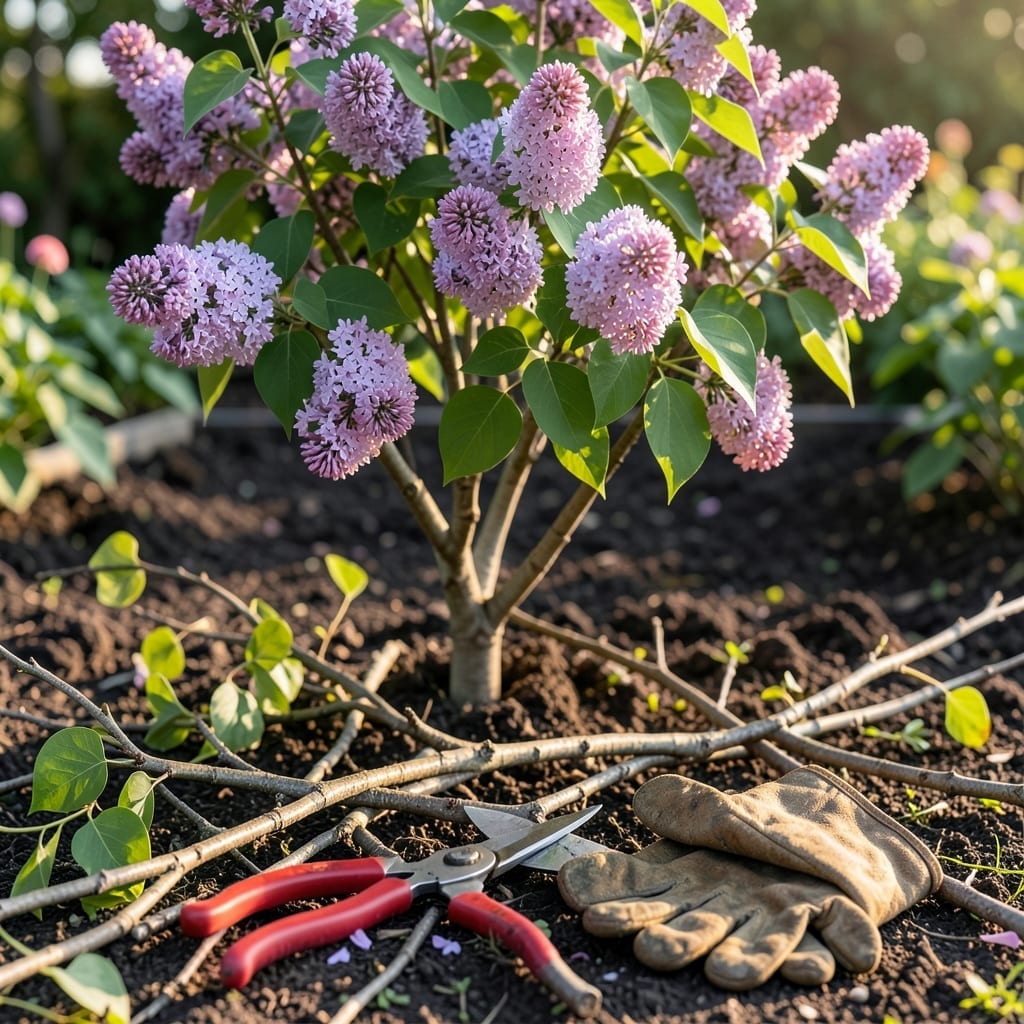
Pruning your 🌸 Lilac bush at the right time is the secret to ensuring a burst of fragrant, vibrant blooms each spring. Cutting back at the wrong moment can cost you a season of flowers.
I learned this the hard way when my first attempt left me with bare branches instead of beautiful blossoms. Timing is everything with these shrubs, and getting it right makes all the difference.
Discover when to grab those pruners for the best results, and why this simple step is a game-changer for your garden’s spring display.
The best time to prune your lilac bush is right after it finishes blooming in late spring or early summer. This timing aligns with the plant’s natural growth cycle.
Lilacs set their flower buds for next year shortly after the current blooms fade. Pruning at this stage ensures you won’t accidentally remove next season’s flowers.
⚠️ Warning: Never prune lilacs in late summer, fall, or winter. This removes the flower buds that have already formed for next spring.
If you prune too late, you risk cutting off the new growth that will produce next year’s blossoms. I’ve seen gardeners lose an entire season of flowers by pruning in the fall.
The ideal window is typically May to June, depending on your climate. Watch for faded blooms and brown flower clusters as your signal to start.
This timing also allows the plant to recover fully before winter dormancy. Pruning too close to winter can leave the bush vulnerable to cold damage.
For young lilacs, focus on shaping and removing dead wood. For mature bushes, you can be more aggressive with thinning out old stems.
Remember that healthy pruning improves air circulation, reducing the risk of pests and diseases. It also encourages stronger growth for next year.
If you miss the window, don’t prune at all until next year. It’s better to wait than to risk losing those beautiful spring blooms.
I always mark my calendar when my lilacs start blooming so I won’t forget to prune them right after the flowers fade. It’s a simple habit that pays off with stunning results.
With the right timing, your lilac bush will reward you with bigger, more vibrant blooms each spring ✂️
Pruning lilacs doesn’t have to be intimidating. I start by gathering the right tools: sharp bypass pruners, loppers for thicker branches, and gardening gloves for protection.
First, I remove all dead wood and diseased branches at the base. This opens up the center of the bush for better air circulation and sunlight penetration.
For mature lilacs, I focus on removing about 1/3 of the oldest stems each year. This gradual approach keeps the bush productive while allowing new shoots to develop.
When shaping, I aim for a natural form rather than a perfect sphere. Lilacs look best with a slightly wild appearance, and this helps maintain their health and vigor.
Always make cuts at a 45-degree angle just above a bud node. This encourages proper healing and directs new growth outward, preventing crowded centers.
After pruning, I clean up all debris to prevent pests and diseases from taking hold. A little maintenance goes a long way in keeping your lilacs thriving for years ✂️