
Beautiful Plants For Your Interior
Beautiful Plants For Your Interior
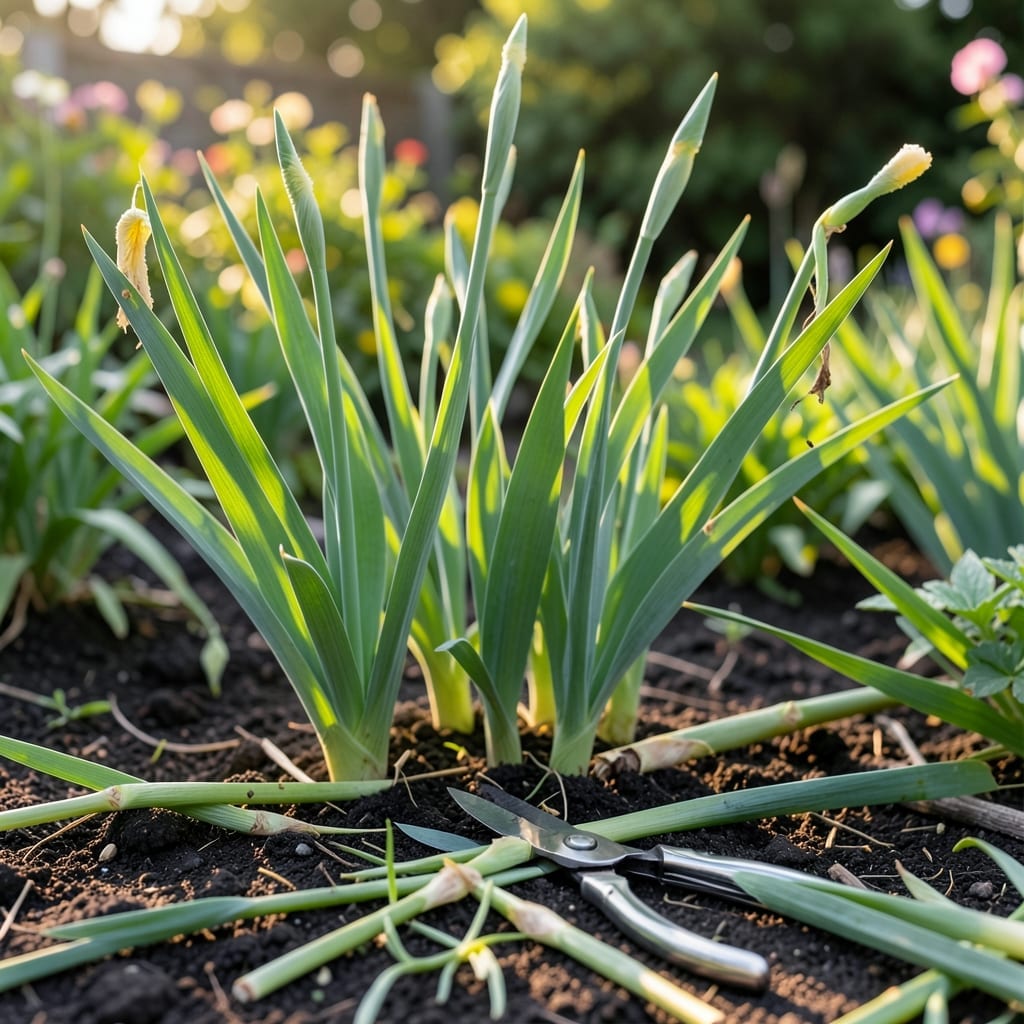
I remember the first time I saw my neighbor’s 🌸 Iris blooming in full glory while mine looked sad and neglected. That was the day I learned timing is everything when it comes to pruning.
Cutting back your Iris at the right moment can mean the difference between a lackluster garden and a vibrant display. It’s not just about aesthetics—it’s about plant health and future blooms.
Let me walk you through the best seasonal windows to prune your Iris and why getting this right will transform your garden. You’ll be amazed at the difference proper timing makes.
Timing your Iris pruning correctly is crucial for vibrant blooms next season. I’ve learned that cutting back at the wrong time can stress the plant and reduce flowering potential.
The ideal window for pruning is right after blooming, typically in early to mid-summer. This allows the plant to focus energy on root and foliage growth instead of seed production.
| Stage | Action | Timing |
|---|---|---|
| After Blooming | Cut back flower stalks | Early Summer |
| Foliage Trim | Reduce leaves to 6 inches | Late Summer |
| Fall Cleanup | Remove dead foliage | Late Fall |
After your Iris flowers fade, use clean shears to remove the flower stalks at their base. This prevents seed pods from forming, which can drain the plant’s energy.
The second pruning phase comes in late summer. I trim the leaves back to about 6 inches in a fan shape. This helps reduce disease risk while allowing the plant to photosynthesize.
In late fall, I do a final cleanup. Any brown or dead foliage should be removed to prevent pest problems over winter. Healthy green leaves can stay until they die back naturally.
Remember, never prune during active growth in spring. The plant needs all its foliage to produce those gorgeous blooms you love so much.
For bearded Iris, this timing is especially critical. They’re more susceptible to bacterial soft rot if old foliage isn’t removed properly.
I’ve found that Siberian Iris can handle a slightly later pruning, but still benefits from the same post-bloom stalk removal.
Proper timing also helps with dividing Iris. If your clumps are overcrowded, late summer is ideal for division after you’ve already trimmed the foliage.
By following this schedule, you’ll ensure your Iris plants stay healthy, vibrant, and ready to put on a spectacular show next year ✂️
Pruning your Iris plants properly ensures they thrive and bloom beautifully next season. I always start with the right tools to make clean cuts and prevent damage to the plant.
First, gather sharp bypass pruners and gardening gloves. Clean tools with rubbing alcohol help prevent the spread of disease between plants.
After blooming, I cut back the flower stalks to the base using my pruners. This prevents seed formation and redirects energy to the rhizomes for next year’s growth.
In late summer, I trim the sword-like leaves to about 6 inches above the ground. This helps reduce disease risk while still allowing the plant to photosynthesize.
For the fall cleanup, I remove any brown or dead foliage to keep the garden tidy and prevent pests from overwintering in the debris.
I
With these steps, your Iris plants will stay healthy and reward you with beautiful flowers year after year ✂️