
Beautiful Plants For Your Interior
Beautiful Plants For Your Interior
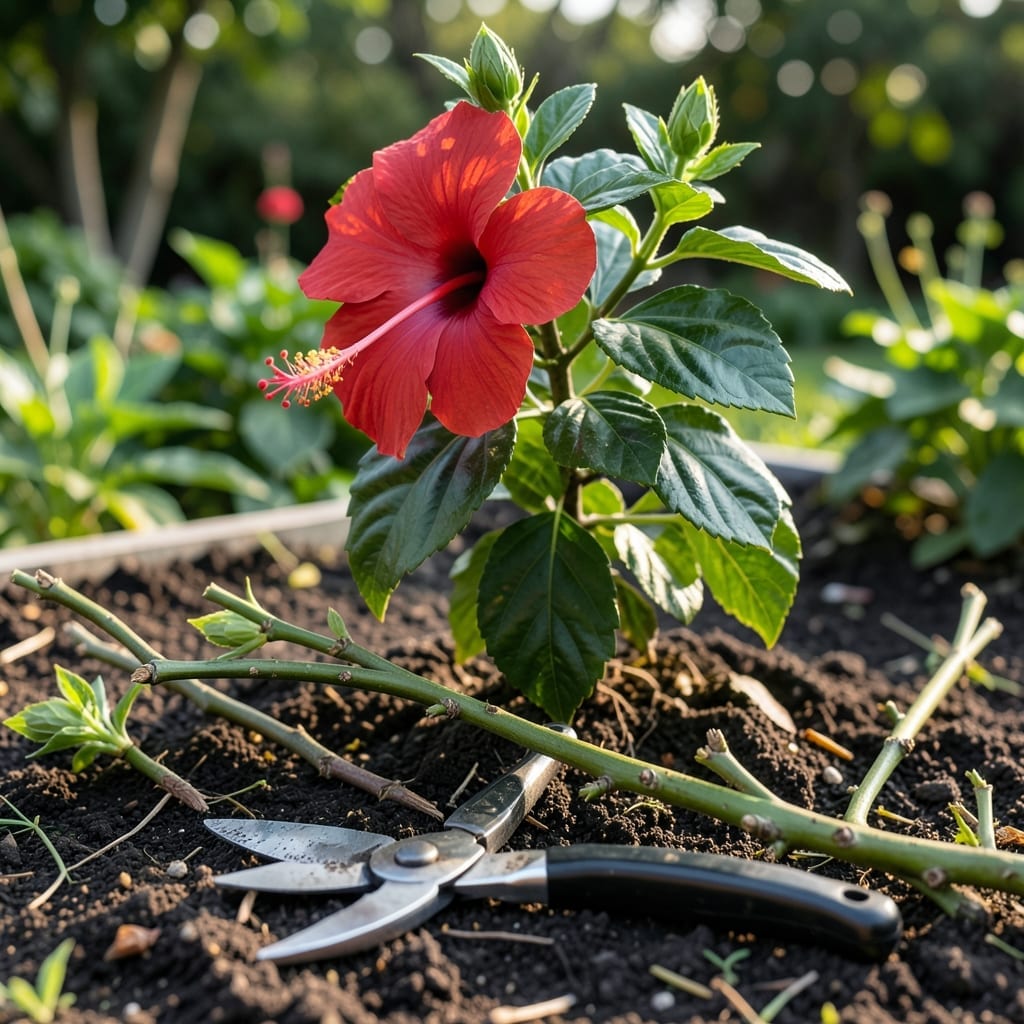
Timing your hibiscus pruning wrong in Florida can mean stunted blooms or a stressed 🌺. This tropical beauty thrives on a precise schedule tailored to our unique climate.
With 8a-10b zones and nearly year-round growing potential, knowing when to make the cut is the key to vibrant growth. I’ll walk you through the seasonal sweet spots.
Discover how to align your pruning with Florida’s rhythms. Your Hibiscus will thank you with lush foliage and abundant flowers.
Florida’s unique 8a-10b zones give hibiscus a long growing season, but timing your pruning is critical for healthy blooms. I’ve found that cutting back at the wrong time can stunt growth or reduce flowering.
The best window is late winter to early spring, just after the last frost but before new growth starts. This gives your hibiscus time to recover and flourish before summer heat arrives.
| Season | Pruning Action | Purpose |
|---|---|---|
| Late Winter | Heavy prune | Shape plant, remove dead wood |
| Early Spring | Light trim | Encourage bushiness |
| Summer | Deadhead only | Promote continuous blooming |
| Fall | Minimal pruning | Avoid stimulating new growth |
In North Florida, aim for February to March pruning, while Central and South Florida gardeners can start in January. This aligns with your local last frost dates.
For tropical hibiscus, I recommend a hard prune in late winter, cutting back by 1/3 to 1/2 of the plant’s height. This rejuvenates the shrub and promotes larger blooms.
If you’re growing hardy hibiscus, wait until early spring when you see new shoots emerging. These varieties are more cold-tolerant but still benefit from timely pruning. ✂️
Avoid pruning in late fall or winter in colder zones. New growth stimulated by pruning can be damaged by unexpected frosts, which Florida occasionally experiences.
After pruning, I always clean up debris around the base to prevent pests and diseases. A light fertilizer application can help your hibiscus recover faster.
Remember, consistent pruning keeps your hibiscus healthy and flowering abundantly. Mark your calendar for next year’s pruning based on this season’s results.
With this schedule, your hibiscus will reward you with vibrant blooms all season long. 🌺
Pruning hibiscus in Florida’s climate requires the right tools and techniques. I always start with sharp bypass pruners and sterilizing alcohol to prevent disease spread between cuts.
First, remove dead or diseased branches at their base. Then, cut back 1/3 of the plant to shape it and encourage new growth. This method works for both tropical and hardy hibiscus varieties.
When making cuts, always angle them away from the bud to prevent water pooling. I find that 1/4-inch above a node is ideal for promoting healthy new shoots.
For overgrown hibiscus, you may need to stagger your cuts over several weeks. This prevents shocking the plant and allows it to recover gradually.
Avoid topping the plant (cutting all branches at the same height), as this can lead to weak, spindly growth. Instead, aim for a natural shape that maintains its structure.
After pruning, water deeply to help the plant recover. I also recommend mulching the base to retain moisture and protect roots from Florida’s heat. ✂️
With these steps, your hibiscus will thrive and bloom abundantly throughout the growing season. The key is patience and precision with each cut. 🌺