
Beautiful Plants For Your Interior
Beautiful Plants For Your Interior
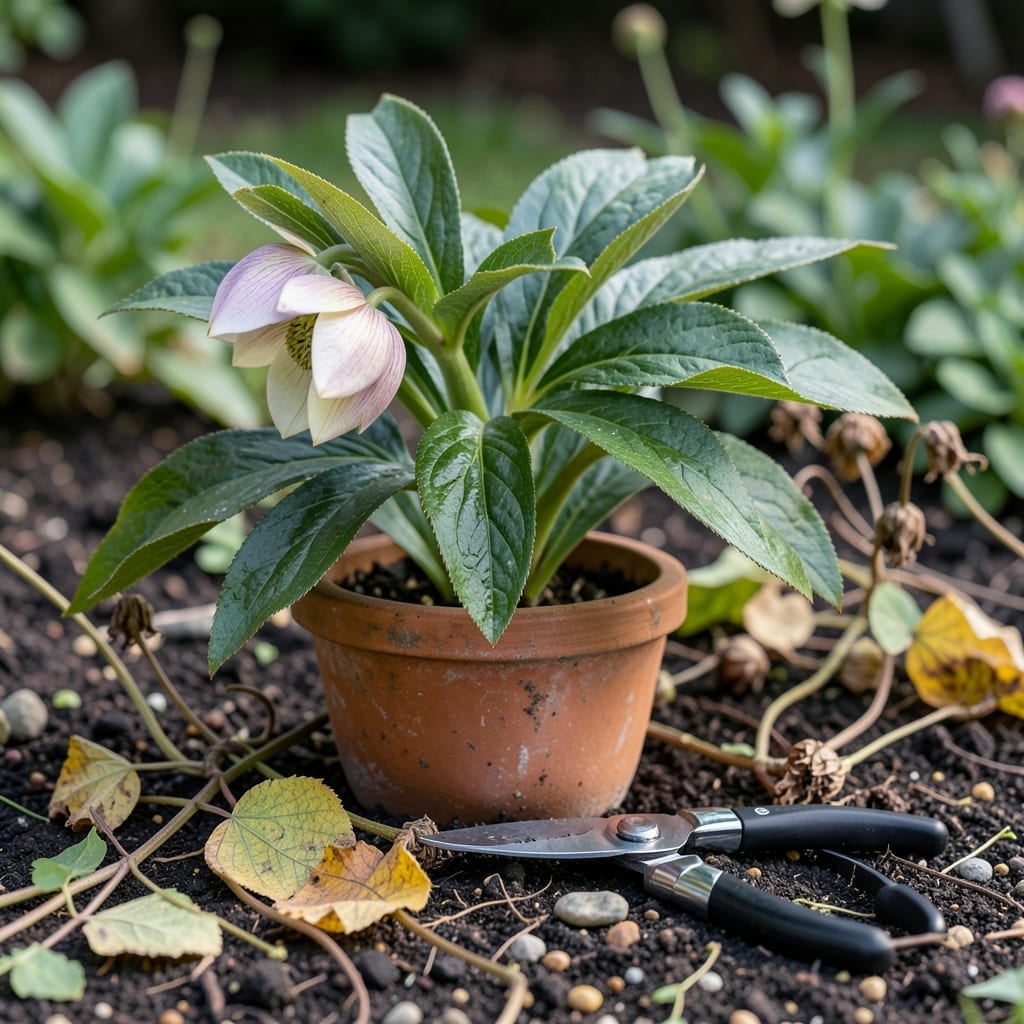
I love how Hellebores 🌸 bring color to my winter garden, but I learned the hard way that timing is everything when it comes to pruning. Cut them back too early, and you might sacrifice next year’s blooms.
Getting the timing right ensures your plants stay healthy and vibrant season after season. It’s not just about when you prune, but how you do it that makes all the difference.
Discover the best approach to keep your Hellebores thriving and ready to put on their annual show. Let’s break it down together.
I’ve found that late winter or early spring is the ideal window for cutting back hellebores. This timing allows you to remove old or damaged foliage before fresh growth emerges.
The key is to act just as the new shoots begin to appear at the base. This ensures you’re not accidentally removing potential flower buds hidden beneath the leaves.
| Stage | Action | Timing |
|---|---|---|
| Late Winter | Remove old leaves | Before new growth |
| Early Spring | Trim damaged stems | As shoots emerge |
| Post-Flowering | Deadhead spent blooms | After petals drop |
In colder climates, I wait until the worst frost has passed. This protects the plant from cold damage while still giving it time to recover before summer.
For milder regions, you can start pruning as early as January. The goal is to clean up the plant while preserving the flower buds forming at the base.
I always check for new growth at the crown. If I see tiny green shoots, I know it’s safe to remove the old foliage above them.
This method keeps the plant looking tidy and directs energy toward healthy new growth and abundant blooms. It’s amazing how quickly they bounce back!
Avoid pruning in fall or early winter, as this can remove flower buds that have already formed. Patience here is key to a stunning display next season.
I’ve also noticed that diseased leaves should be removed immediately, regardless of season. This prevents fungal issues from spreading to new growth.
Finally, always use clean, sharp tools to make clean cuts. This minimizes stress and helps the plant heal faster after pruning ✂️
I always start by gathering the right tools: sharp bypass pruners and gardening gloves. Clean tools prevent disease, while gloves protect my hands from the plant’s slight toxicity.
First, I examine the base of the plant for new shoots. Once I spot these green growth tips, I know it’s safe to remove the old foliage above them.
I make my cuts close to the ground but avoid damaging the emerging shoots. This encourages strong new growth while keeping the plant looking neat and healthy.
After pruning, I always gather and dispose of the old leaves. This is especially important if the foliage shows signs of black spot or other diseases.
Finally, I give the plant a light watering to help it recover. Hellebores appreciate moist but well-drained soil, so I avoid overwatering after pruning.
This method keeps my hellebores vibrant and disease-free, ready to produce their beautiful winter blooms year after year ✂️