
Beautiful Plants For Your Interior
Beautiful Plants For Your Interior
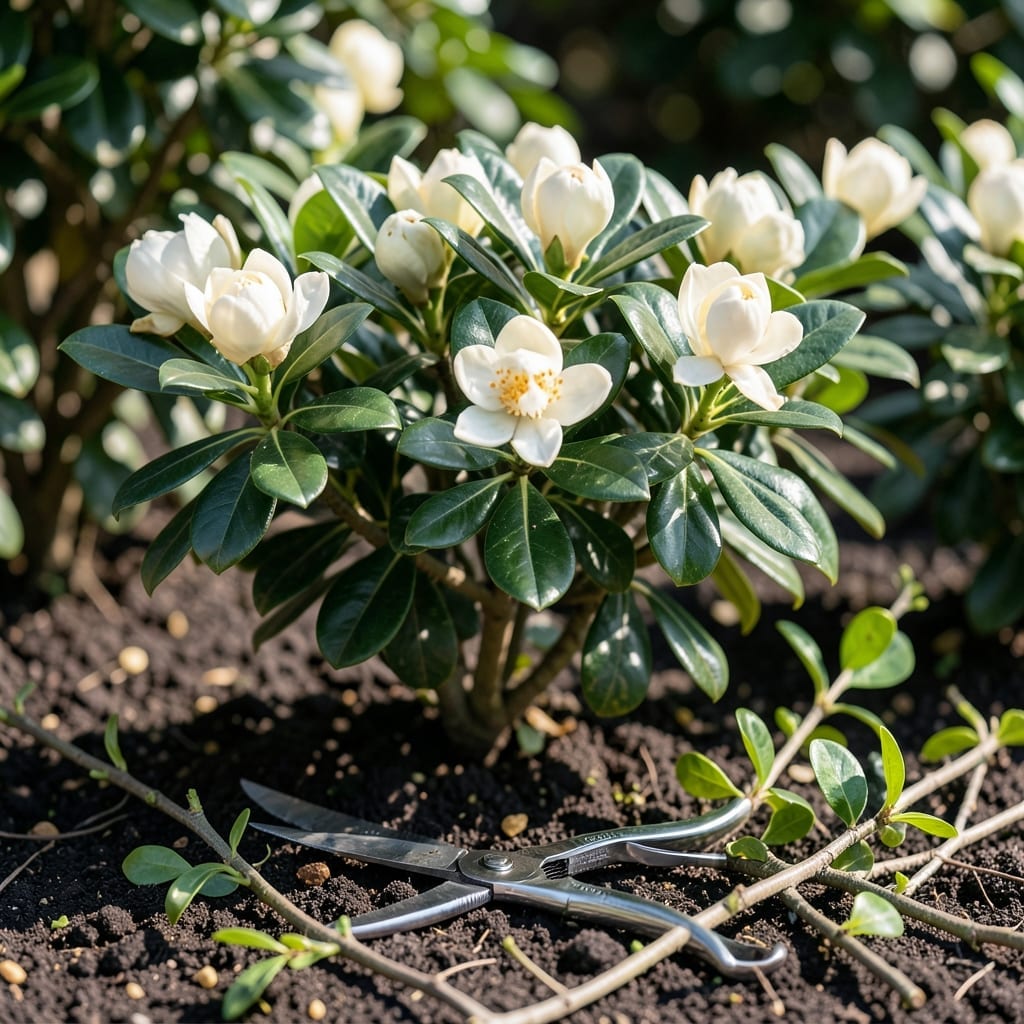
Timing your gardenia bush pruning perfectly can mean the difference between a lackluster season and a burst of fragrant, vibrant 🌸 blooms. These evergreen shrubs thrive with careful, seasonal attention.
I’ve learned that pruning at the wrong time can rob you of those gorgeous flowers you’re working so hard to achieve. The good news? There’s a simple window that ensures you’ll get the best results every time.
Let me walk you through when to grab those shears and how to make every cut count for your Gardenia’s health and beauty.
I always recommend pruning your gardenia bush in late winter or early spring, just before new growth starts. This timing ensures you won’t accidentally remove the flower buds forming for the next season.
These evergreen shrubs set their bloom buds in late summer and fall, so pruning after flowering is key. In USDA zones 7-11, this usually means grabbing your shears in March or April for the best results.
| Pruning Timing | Purpose |
|---|---|
| Late Winter | Shape bush before spring growth |
| Early Spring | Remove dead wood, improve air flow |
| After Blooming | Avoid cutting off next year’s flowers |
If you live in a colder climate, wait until the last frost has passed to avoid cold damage to fresh cuts. Gardenias are sensitive to temperature drops, so timing matters even more in these areas.
For repeat-blooming varieties, a light trim after the first flush of flowers can encourage a second wave of blooms. Just don’t go overboard—remove no more than 1/3 of the plant at a time.
Mid-summer pruning is risky because you might cut off buds that are already forming. I’ve seen gardeners accidentally remove all their next season’s flowers by pruning too late in the year.
If your gardenia looks overgrown or leggy, it’s better to do light, frequent pruning rather than one drastic cut. This approach keeps the plant healthy and compact while still promoting blooms.
Remember that gardenias bloom on old wood, so the timing of your cuts directly impacts next year’s flowers. A little patience and planning go a long way in keeping these shrubs vibrant and fragrant.
In warmer regions like Florida or California, you might get away with pruning twice a year. But in most areas, sticking to one annual pruning in early spring is the safest bet.
Finally, always use clean, sharp shears to make precise cuts. This prevents tearing the stems and reduces the risk of disease entering through jagged wounds. ✂️
I always start by inspecting my gardenia bush for dead or diseased branches before making any cuts. These should be removed first to prevent the spread of issues to healthy growth.
Use sharp bypass pruners rather than anvil-style shears. The clean cuts from bypass pruners heal faster and reduce stress on the plant. I keep a small pruning saw handy for thicker branches too.
When shaping the plant, I focus on opening up the center of the bush to allow light and air to reach all parts. This prevents fungal issues and encourages even growth throughout the shrub.
Never remove more than 1/3 of the plant in a single pruning session. Gardenias can become stressed with drastic cuts, which may reduce flower production for the season. ✂️
After pruning, I apply a balanced fertilizer to support new growth. This helps the plant recover quickly and promotes the development of strong stems for future blooms.