
Beautiful Plants For Your Interior
Beautiful Plants For Your Interior
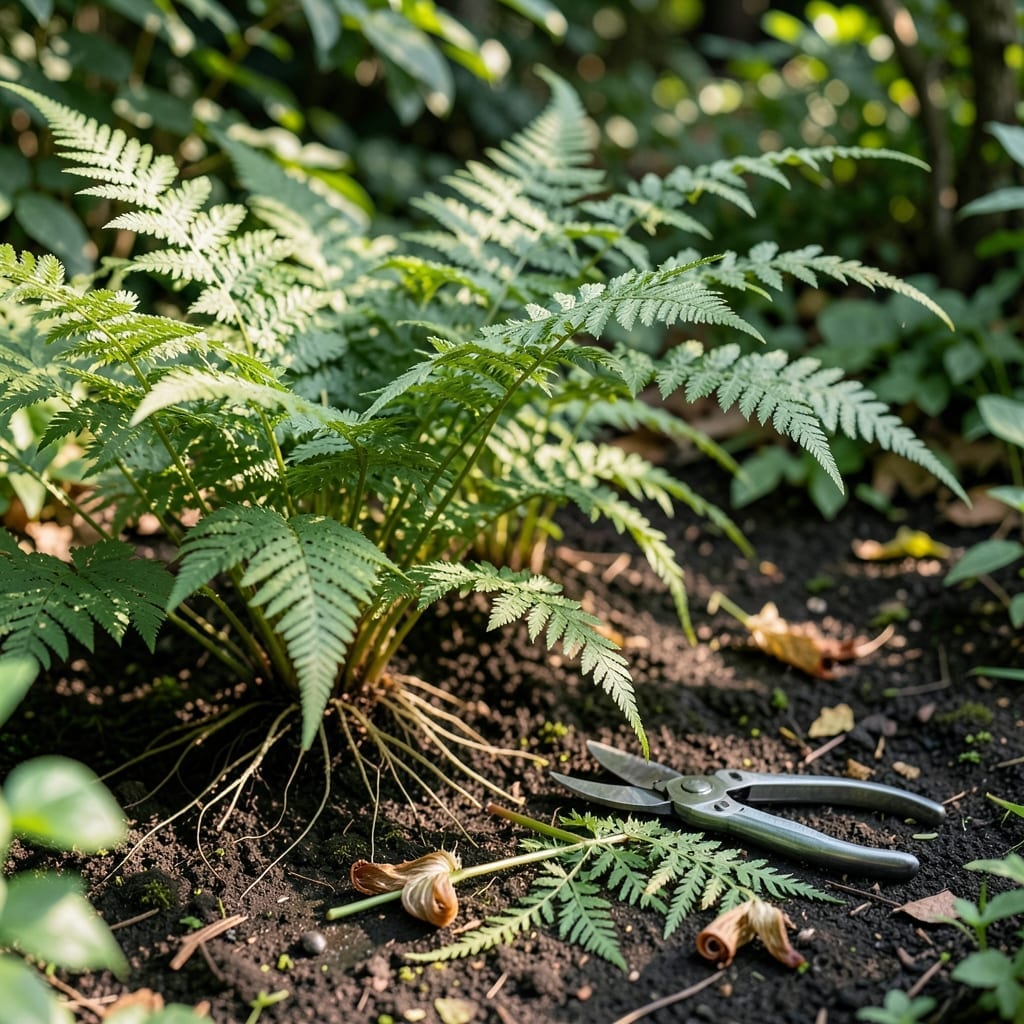
I used to stare at my overgrown fern 🌿 wondering why it looked so sad. That was before I learned the game-changer secret to keeping these lush plants thriving.
Timing your pruning makes all the difference between a struggling plant and one that bounce back with vigorous new growth. The right moment comes just as winter fades and spring begins to work its magic.
Discover exactly when to make those cuts and how this simple timing trick can transform your ferns from lackluster to absolutely flourishing.
I’ve found that timing your fern pruning is everything for vibrant, healthy plants. The best window is early spring, just as new growth starts to emerge from the crown.
For deciduous ferns, late winter or early spring is ideal, while evergreen varieties benefit from a light trim in early spring to remove damaged fronds from winter.
| Fern Type | Best Pruning Time | Key Notes |
|---|---|---|
| Deciduous Ferns | Late Winter / Early Spring | Cut back before new fronds appear |
| Evergreen Ferns | Early Spring | Remove winter-damaged fronds only |
| Tropical Ferns | Year-round as needed | Trim dead fronds anytime |
In colder climates like USDA Zone 6, I wait until mid-March to early April, after the last frost date. This ensures the plant isn’t vulnerable to late cold snaps.
For mild climates, you can start pruning as early as February. The key is to prune just before the plant breaks dormancy, giving it a clean slate for the growing season.
If your ferns look ragged in fall, resist the urge to cut them back. Those old fronds actually protect the crown from winter damage and provide some insulation.
I always check for new growth at the base. When I see those tight fiddlehead curls emerging, I know it’s time to remove last year’s fronds to make way for the fresh ones.
Weather plays a big role too. I avoid pruning during wet periods to prevent disease. A dry, sunny day is perfect for making clean cuts and allowing the plant to recover quickly.
For container-grown ferns, I follow the same timing but also consider their microclimate. Potted plants may warm up faster in spring, so I sometimes prune them a week or two earlier than in-ground ferns.
Remember, the goal is to encourage new growth, not stress the plant. By timing your pruning with the plant’s natural growth cycle, you’ll get the lushest, healthiest ferns possible
🌿I always start pruning my ferns with the right tools—sharp bypass pruners or scissors. Dull blades can tear the fronds, leaving ragged edges that invite disease.
First, I inspect the plant carefully. I look for dead or brown fronds and any that appear damaged. These are the first to go, as they won’t recover and can drain the plant’s energy.
When making cuts, I angle my pruners at 45 degrees to allow water to run off. This prevents rot at the base and keeps the crown healthy for new growth.
For large clumps, I work in sections. I never remove all fronds at once, as this can stress the plant. Instead, I spread the pruning over a few days if needed.
After pruning, I always clean up the debris. Leaving dead fronds around the base can attract pests and encourage fungal growth.
Finally, I monitor my ferns closely for a few weeks. If I notice any yellowing or wilting, I adjust my care routine to help the plant recover.
✂️