
Beautiful Plants For Your Interior
Beautiful Plants For Your Interior
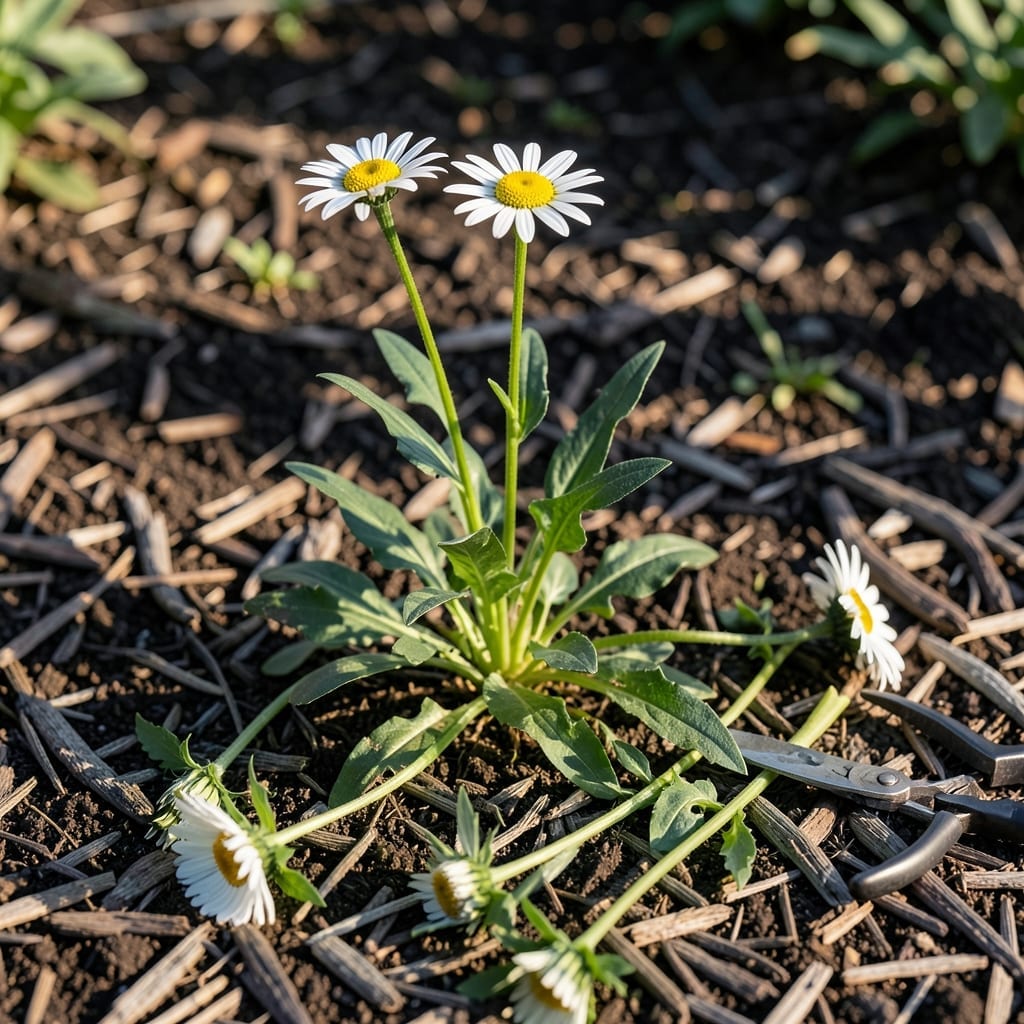
Properly timing when to cut back your 🌼 Daisy plants can make all the difference for next year’s garden. This simple step protects them from harsh winter conditions and ensures they come back stronger.
I’ve seen firsthand how pruning at the right moment prevents disease and encourages vibrant growth. The key is knowing when your daisies are truly ready for their winter trim.
Discover the ideal window to prune and how to do it safely. Your future garden will thank you for this easy but crucial preparation.
Timing your daisy pruning correctly is the secret to a thriving garden next spring. I always wait until after the first hard frost in my USDA Zone 6 garden, which usually hits around mid-October. This ensures your plants have fully entered dormancy.
Pruning too early can stimulate new growth that winter will kill. The sweet spot is when foliage has turned brown and died back naturally. This typically occurs in late fall or early winter, depending on your climate zone.
| Timing Factor | Recommendation |
|---|---|
| Zone 3-5 | After first hard frost |
| Zone 6-7 | Late October to early November |
| Zone 8+ | November to early December |
| Visual Cue | Foliage turns brown |
The science behind this timing is fascinating. When you prune after dormancy begins, you prevent disease spores from overwintering in dead foliage. This simple step can drastically reduce fungal issues next growing season.
In colder zones like 3-5, I’ve learned to watch the weather forecast closely. A sudden freeze can catch you off guard, so prune immediately after that first hard frost when temperatures drop below 25°F (-4°C).
For warmer zones like 8-10, you have more flexibility. The key is to finish pruning before consistent freezing begins. I often use the Thanksgiving holiday as my reminder in Zone 6.
Remember that Shasta daisies and Oxeye daisies may have slightly different needs. Shastas benefit from a clean cut at soil level, while Oxeyes do better with 2-4 inches of stem left standing.
Climate variations matter more than you might think. In areas with mild winters, you might not need to prune at all. But in regions with heavy snowfall, cutting back prevents stem breakage from snow weight.
I’ve made the mistake of pruning too late in Zone 7, which left my daisies vulnerable to winter rot. Now I mark my calendar for early November, right after the first frost.
This timing also helps redirect the plant’s energy to root development rather than maintaining dying foliage. Stronger roots mean more vigorous growth come spring, with better resistance to pests and diseases.
Finally, don’t forget that proper timing varies slightly based on your specific microclimate. If you’re in a windy area or have sheltered beds, adjust accordingly. When in doubt, wait until most foliage has died back naturally.
✂️I always start by gathering the right pruning tools for the job. A pair of sharp bypass pruners works best for clean cuts that won’t damage your daisy stems. Make sure they’re sanitized to prevent disease spread.
First, I inspect the plant for any remaining healthy foliage. If there’s still green growth, I wait. The perfect time is when most leaves have turned brown and the plant looks dormant. This usually happens after that first hard frost.
For Shasta daisies, I find cutting right at soil level works best. But for Oxeye daisies, leaving 2-4 inches of stem helps protect the crown from winter moisture. Always make your cuts at a 45-degree angle to prevent water pooling.
One common mistake I see is cutting too early. This can stimulate new growth that will be damaged by frost. Another error is leaving dead foliage on the plant, which can harbor pests and diseases over winter.
After pruning, I like to add a 2-3 inch layer of organic mulch around the base. This helps insulate the roots and maintain consistent soil temperature. Straw or shredded leaves work particularly well for daisies.
Finally, I always water my daisies lightly after pruning. This helps settle the soil and ensures the roots have access to moisture before the ground freezes. In my Zone 6 garden, this simple step has made a noticeable difference in spring regrowth. ✂️