
Beautiful Plants For Your Interior
Beautiful Plants For Your Interior
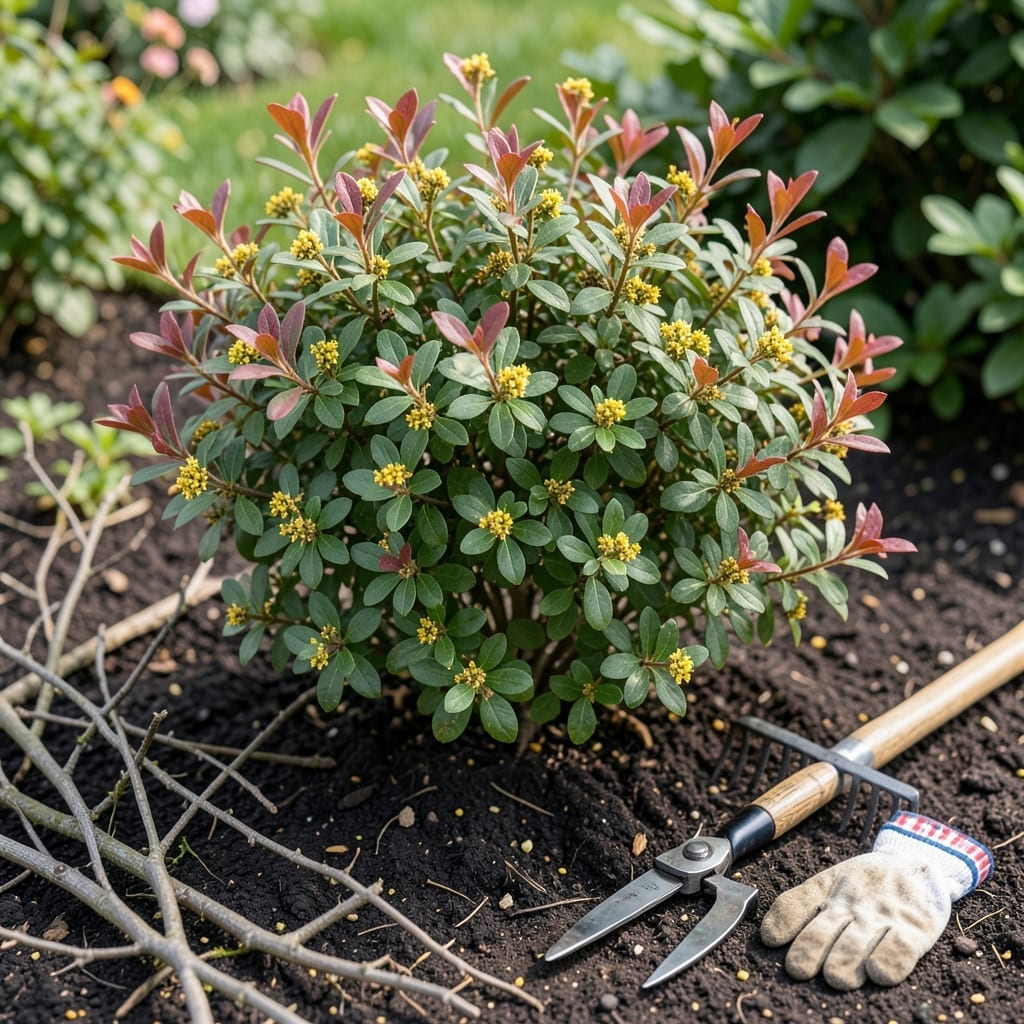
Tired of your 🌿 Barberry looking overgrown and lackluster? Pruning at the right time makes all the difference for healthy growth and that vibrant look you love.
I’ve seen too many gardeners cut back at the wrong moment, only to stress their plants. The timing is the key to avoiding weak regrowth or a bare season.
Let me share the best windows for pruning and why they work. You’ll get a thriving shrub with minimal effort.
Timing your barberry pruning right is crucial for vibrant growth. I always recommend late winter or early spring just before new growth starts. This gives the plant time to recover and flourish.
For flowering varieties, wait until right after blooms fade to avoid cutting off next year’s buds. This ensures you don’t sacrifice the colorful display you planted it for.
| Season | Best Time | Reason |
|---|---|---|
| Late Winter | February-March | Before spring growth starts |
| Early Spring | March-April | Encourages healthy new growth |
| Post-Flowering | May-June | Avoids cutting next year’s buds |
| Fall | September-October | Allows recovery before winter |
In USDA zones 4-8, where barberries thrive, late winter pruning works well because the plant is still dormant. This reduces shock to the system and promotes strong spring growth.
If you live in a warmer climate, you might prune in early fall instead. This gives the plant time to recover before winter dormancy sets in. Just avoid pruning too late, as new growth could be damaged by frost.
For non-flowering barberries, focus on late winter or early spring. This timing helps maintain the dense, compact shape that makes these shrubs so attractive in landscapes.
I’ve found that morning pruning on a dry day reduces stress on the plant. It gives the cuts time to callous over before evening, which helps prevent disease entry.
Remember, never prune during extreme heat or drought conditions. The plant is already stressed, and pruning could make it worse. Always check your local weather before starting.
If your barberry has diseased branches, remove them immediately, regardless of season. This prevents the problem from spreading and keeps your entire shrub healthy.
By following these seasonal guidelines, you’ll ensure your barberry stays lush, colorful, and well-shaped year after year. It’s amazing how much difference proper timing makes! ✂️
Pruning barberry bushes properly keeps them healthy and attractive. I always start by choosing the right tools—sharp bypass pruners for clean cuts and loppers for thicker branches.
Begin by removing any dead, diseased, or crossing branches first. This improves airflow and prevents fungal issues from spreading through the shrub.
When shaping, cut just above a bud or branch junction at a 45-degree angle. This encourages new growth in the right direction and helps the plant heal faster.
Avoid removing more than one-third of the plant in a single pruning session. Over-trimming can stress the barberry and lead to weak regrowth or sparse foliage.
After pruning, I recommend watering deeply to help the plant recover. Apply a light mulch around the base to retain moisture and protect the roots.
Finally, sanitize your tools between cuts if you’ve removed diseased wood. This simple step prevents pathogen spread to healthy parts of the shrub. ✂️