
Beautiful Plants For Your Interior
Beautiful Plants For Your Interior
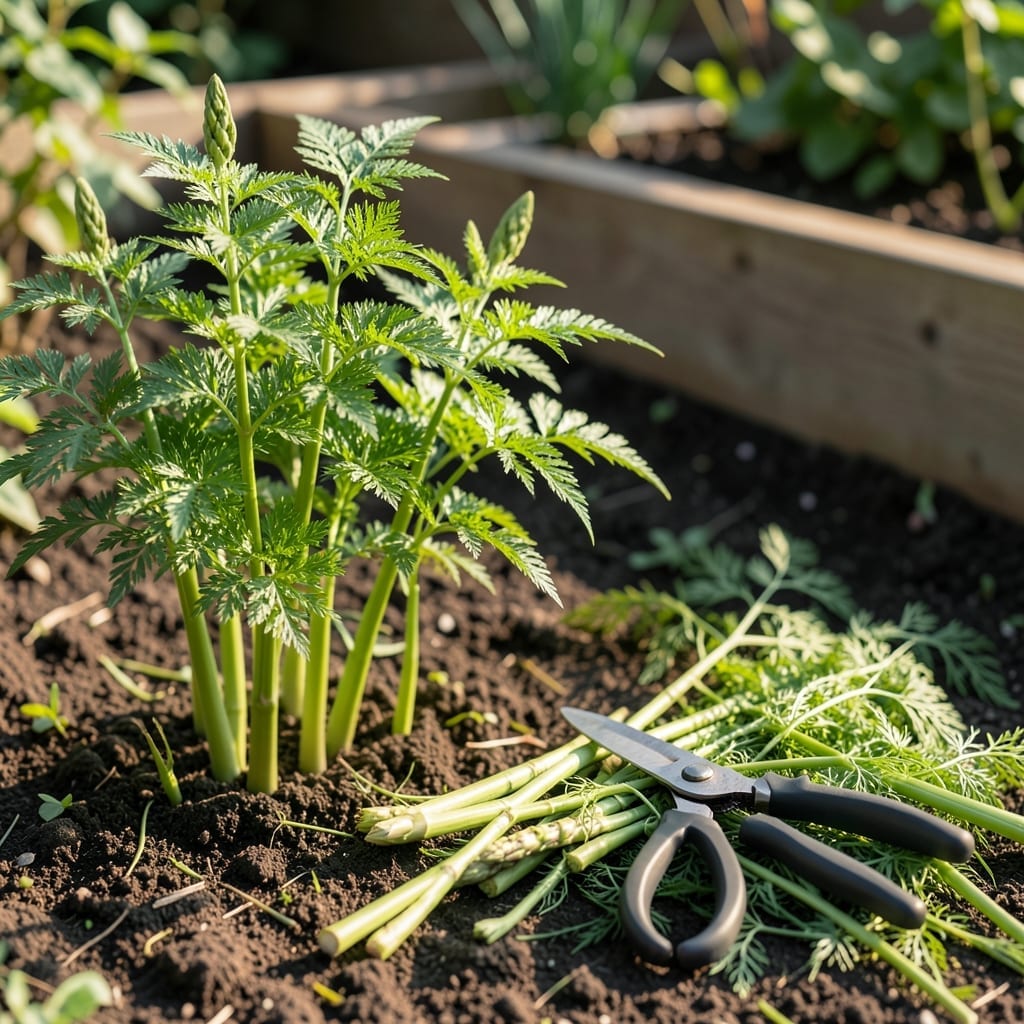
Knowing when to cut back Asparagus 🌱 can make or break your harvest. Timing is everything for healthy regrowth and bountiful spears next season.
Many gardeners struggle with when to prune, often cutting too early or too late. I’ll walk you through the key factors that determine the perfect moment to grab those shears.
From plant age to regional climate, we’ll cover what you need to know to keep your Asparagus thriving year after year. Let’s get started.
Timing your asparagus pruning correctly ensures a strong harvest next season. The best moment comes after the foliage turns yellow or brown in fall.
This usually happens after the first frost in USDA zones 3-10. Cutting back too early can weaken the plant and reduce next year’s yield.
| Stage | Action |
|---|---|
| Early Spring | Remove dead foliage from previous year |
| Late Fall | Cut back after foliage yellows |
| After Frost | Prune to 2 inches above soil |
For young asparagus plants in their first year, I recommend skipping the harvest entirely. Let the plant focus on root development for future growth.
In warmer climates without frost, watch for brown fronds as your signal. This usually occurs in late November or early December.
The ideal pruning window is 4-6 weeks before your first expected frost. This gives the plant time to store energy in its roots.
Always use clean, sharp shears to make clean cuts. Ragged cuts can invite disease and pests to your precious asparagus patch.
After cutting back, I like to mulch heavily with straw or leaves. This protects the crowns from winter damage and retains moisture.
Remember that asparagus is perennial. Proper fall pruning today means bigger harvests for 15-20 years or more. Patience really pays off! 🌱
For established patches, I’ve found that late October works well in most zones. But always adjust based on your local weather patterns and plant appearance.
Cutting back asparagus plants requires the right approach to avoid harm. I always start by waiting until the foliage turns yellow or brown in late fall.
This signals that the plant has finished photosynthesis and is ready for pruning. Using sharp pruning shears is essential to make clean cuts and prevent plant stress.
I recommend cutting each stem at a 45-degree angle to prevent water from pooling on top, which can lead to rot. This small detail makes a big difference.
After pruning, I clear all the old foliage from the garden bed. This removes potential hiding spots for pests and reduces disease risk for next season.
For young asparagus plants, I avoid heavy pruning in the first year. Instead, I let the fern-like foliage grow to build a strong root system.
Finally, I always mulch the bed with organic material like straw or compost. This protects the crowns and adds nutrients to the soil for next year’s growth. ✂️