
Beautiful Plants For Your Interior
Beautiful Plants For Your Interior
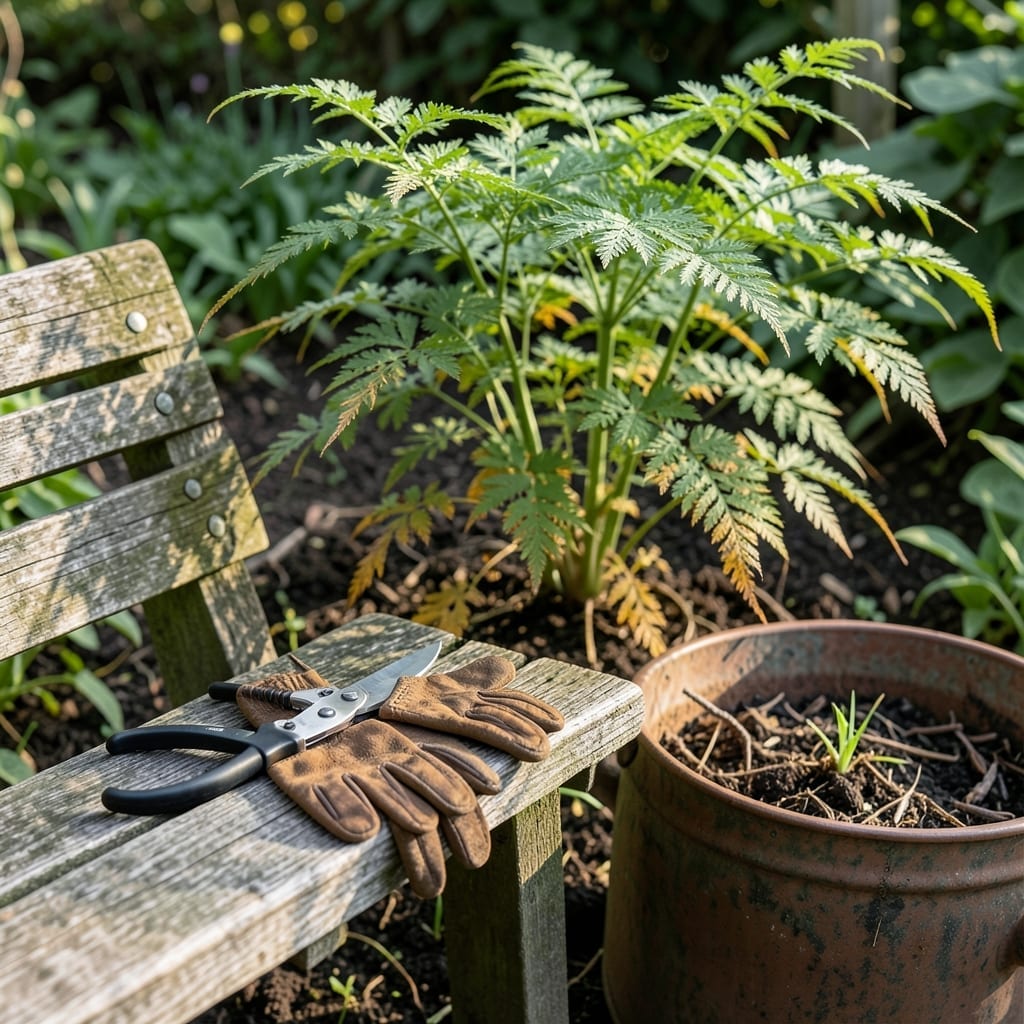
Timing your asparagus fern pruning correctly can mean the difference between a thriving garden and a struggling 🌿 Asparagus Fern. This seasonal guide reveals the best moments to cut back for optimal health.
I’ve seen firsthand how pruning at the right time encourages vigorous growth and prevents disease. Whether you’re a beginner or seasoned gardener, getting this timing right is crucial.
Let me walk you through the seasonal considerations and signs your plant is ready. You’ll learn exactly when and how to make those important cuts for a healthier garden.
The ideal time to cut back your asparagus fern is in late winter or early spring, just before new growth begins. This timing allows the plant to direct all its energy toward fresh, healthy fronds.
I always watch for yellowing or browning foliage, which signals the plant is ready. In colder climates, wait until after the last frost to avoid damaging tender new shoots.
| Season | Action | Purpose |
|---|---|---|
| Late Winter | Prune dead fronds | Encourage spring growth |
| Early Spring | Remove old stems | Prevent disease spread |
| Fall (if needed) | Light cleanup | Tidy appearance |
In USDA zones 6-9, the best window is typically March through early April. This gives your fern time to recover before the growing season kicks in.
If your plant shows signs of stress during summer, resist the urge to prune heavily. Light trimming is fine, but major cuts should wait until dormancy.
For container-grown asparagus ferns, the same timing applies. I’ve found they respond especially well to spring pruning, often producing fuller growth in the following months.
Remember, the goal is to remove dead or damaged foliage while preserving healthy stems. This selective approach keeps your plant strong and productive.
In warmer climates, you might prune in late fall instead. The key is to avoid cutting when the plant is actively growing or during frost periods.
After pruning, I always apply a balanced fertilizer to support recovery. This gives your asparagus fern the nutrients it needs for robust new growth.
Watch for new shoots emerging from the base – this is your sign that pruning was successful. Within weeks, you’ll see fresh green fronds replacing the old ones.
Finally, always use clean, sharp tools to make precise cuts. This prevents tearing the stems and reduces the risk of disease transmission to your plant. ✂️
Pruning your asparagus fern doesn’t need to be complicated. I always start by gathering the right tools: sharp bypass pruners and gardening gloves for protection.
First, identify the dead or yellowing fronds – these are your primary targets. Cut them back to the base of the plant where they meet the soil or main stem.
Never remove more than one-third of the plant at once, as this can stress it. I’ve learned that gradual pruning works best for maintaining health.
After cutting, clean up all plant debris around the base. This prevents pests and diseases from taking hold in the remaining foliage.
For container plants, I recommend light pruning more frequently. This keeps them manageable and encourages bushier growth throughout the season.
Water your fern deeply after pruning to help it recover. I’ve noticed this simple step makes a big difference in how quickly new growth appears.
Finally, observe your plant over the next few weeks. You should see new fronds emerging, confirming your pruning was successful. ✂️