
Beautiful Plants For Your Interior
Beautiful Plants For Your Interior
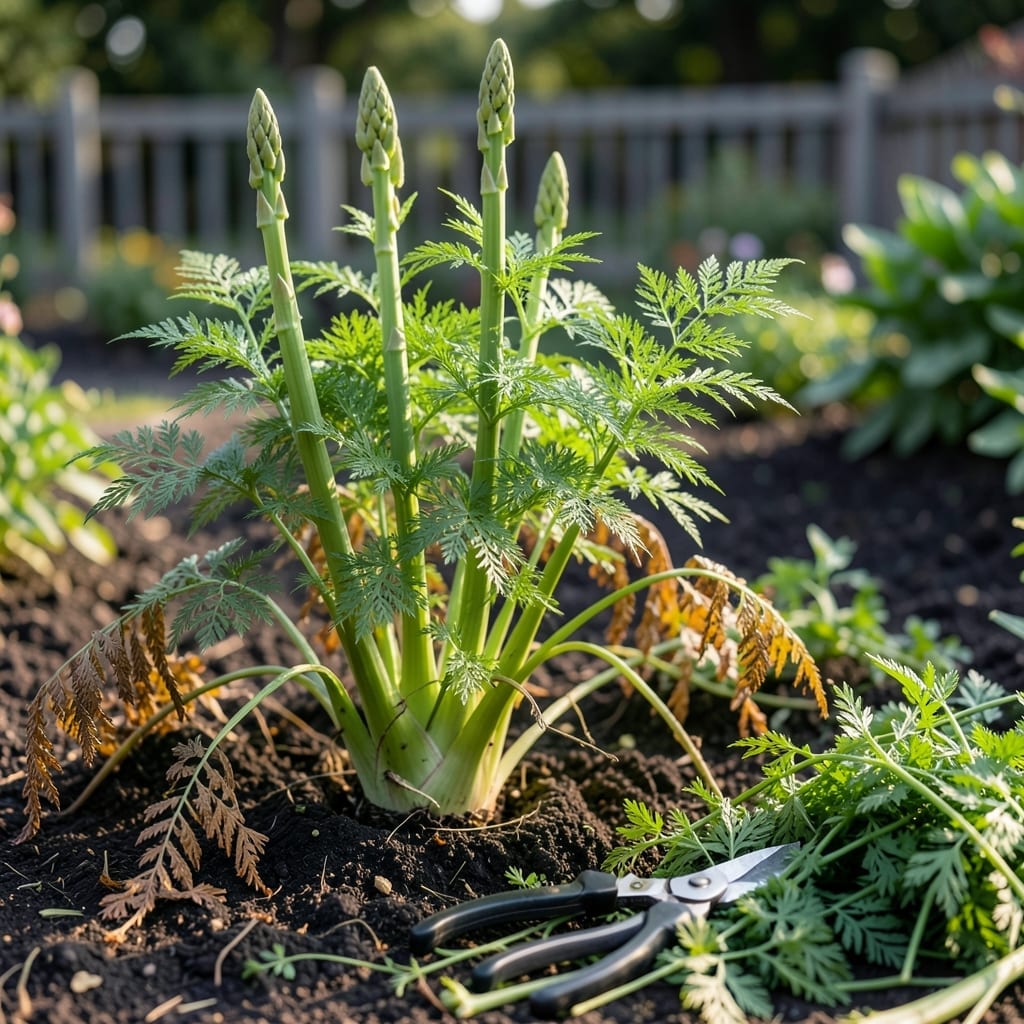
I get it—looking at those tall, feathery 🥬 Asparagus ferns in your garden can be confusing. Should you cut them back now or wait? Timing is everything when it comes to keeping your patch healthy.
Pruning too early or too late can actually harm your plants. The right moment ensures they store energy for next year’s harvest while keeping your garden neat.
Discover the perfect window to trim those ferns and set your Asparagus up for success. Let’s get it right together.
The best time to cut back your asparagus ferns is in late fall or early winter. This timing allows the plant to store energy in its roots for the next growing season. I always wait until the ferns turn yellow or brown, signaling they’re no longer photosynthesizing.
In most regions, this means cutting back between October and December. If you live in a warmer climate, you might wait until January. The key is to prune after the first frost but before new growth starts in spring.
| Stage | Action |
|---|---|
| Late Fall | Cut back yellowed ferns |
| Early Winter | Prune before new growth |
| Spring | Avoid pruning new spears |
| Summer | Only remove damaged ferns |
I’ve learned that cutting too early can weaken the plant by reducing its ability to store nutrients. The ferns are actually feeding the roots during their growing season, so removing them prematurely robs your asparagus of vital energy.
Another sign to watch for is dormancy. When the ferns start to die back naturally, it’s a clear indication that the plant is preparing for winter. This is your green light to grab those pruning shears and get to work.
If you’re in a mild climate where frosts are rare, you can still follow the same rule: cut back when the ferns turn brown. This usually happens by December, but always check your local conditions.
For those in colder zones, like USDA zones 3-5, cutting back before the first hard frost helps prevent disease and pest issues. I’ve seen patches suffer from fungal problems when old ferns were left standing too long.
Remember, never prune while the ferns are still green and healthy. This is when they’re actively producing food for the roots. Wait until they’re fully brown and brittle to the touch.
If you miss the window and spring arrives, don’t panic. Just avoid cutting any new spears that emerge. Focus on removing only the dead or damaged ferns from the previous year.
This approach ensures your asparagus plants stay strong and productive for years to come. Proper timing is the secret to a bountiful harvest next season. ✂️
Pruning asparagus ferns correctly keeps your patch healthy and productive. I always start by gathering the right tools: sharp pruning shears and gardening gloves to protect my hands from the spiny stems.
First, identify which ferns need cutting. Look for brown, dried-out fronds that are no longer green. These are ready to go. Healthy green ferns should stay until they naturally die back.
When cutting, I
After pruning, I clear away all the old fern debris from the garden bed. This step is crucial because leftover plant material can harbor pests and diseases that might affect next year’s growth.
I also take time to sanitize my pruning shears between cuts, especially if I’m working with multiple plants. A quick wipe with rubbing alcohol does the trick and prevents the spread of any potential issues.
Finally, I give my asparagus patch a light watering after pruning. This helps the plant recover and prepares it for dormancy. Avoid heavy watering, as soggy soil can lead to root rot in cooler months. ✂️